The Senate Armed Services Committee on Wednesday rejected a provision that would have expanded in vitro fertilization coverage for military personnel and their families, dealing a blow to efforts to align Tricare benefits with those available to members of Congress.
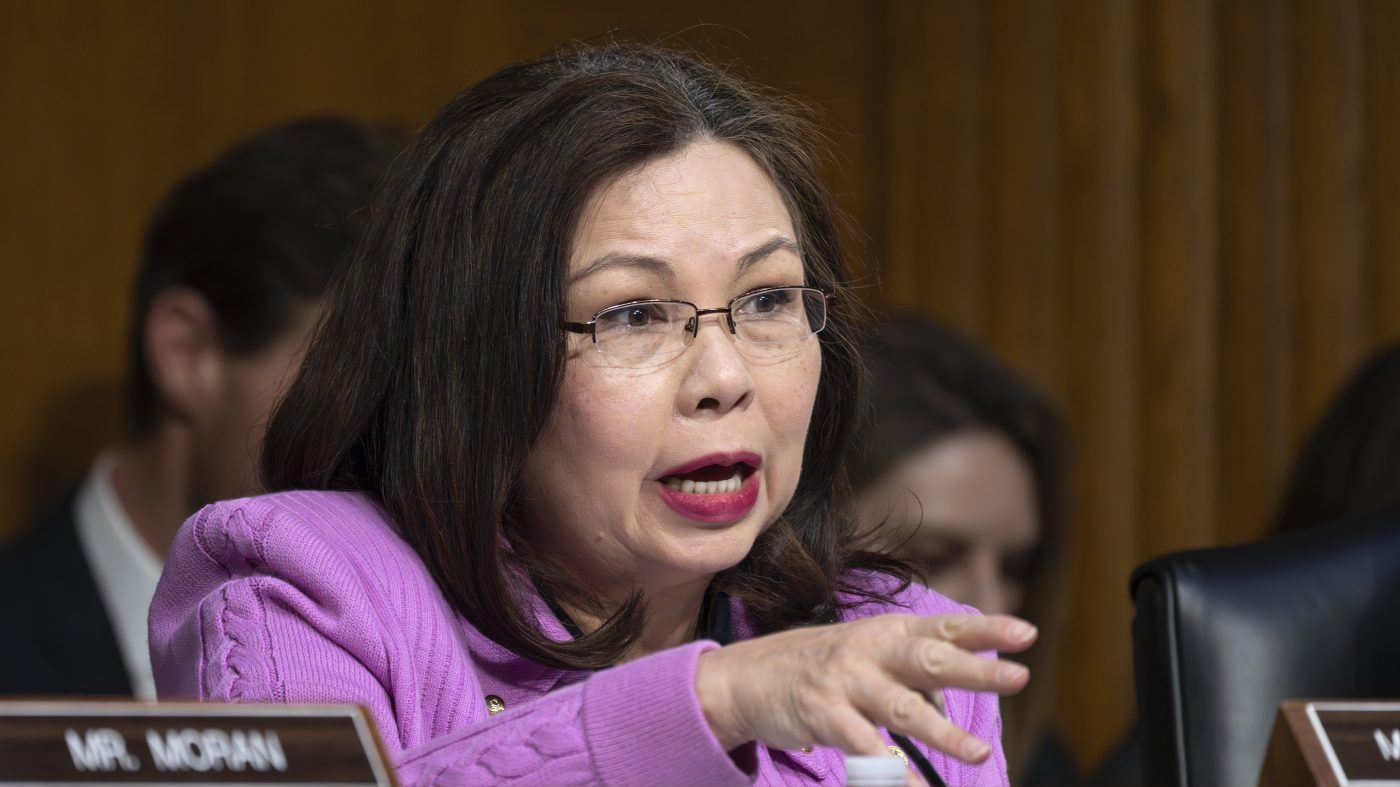
Senator Tammy Duckworth, an Illinois Democrat and the provision's sponsor, said the committee's Republican members blocked her amendment from even being considered, despite its passage in the same panel in each of the past two years. The move underscores the deepening partisan rift over defense priorities, as highlighted in ongoing Senate funding talks that pit defense against domestic spending.

Duckworth's Push for Parity
“All my provision seeks to do is provide our troops with the same access to IVF that all Members of Congress already have,” Duckworth said in a statement. “After everything our troops sacrifice for our nation, they should never have to sacrifice their dreams of building a family.”
Under current Tricare rules, fertility services are only covered when infertility stems from a serious injury or illness incurred during active duty. Duckworth's proposal would have mandated coverage for infertility diagnosis and treatment, including IVF, and directed the Defense secretary to establish a fertility care coordination program tailored to military families.
Bipartisan Support Fades
Duckworth noted that her language cleared the full Senate with bipartisan support last year and was included in both the House and Senate versions of the National Defense Authorization Act. Yet it was stripped from the final compromise—a move she blames on House Speaker Mike Johnson, a Louisiana Republican.
“This week, every single Republican on the committee betrayed our heroes and voted against the very same language they supported last year,” Duckworth charged. The bill ultimately passed the committee 18-9 and now heads to the Senate floor.
The debate mirrors broader tensions in Congress over defense funding and social policy. Meanwhile, the House panel's $1.15 trillion defense bill includes a controversial rename of the Pentagon, signaling divergent priorities between the chambers.
Abortion Politics Cast Shadow
Opposition to IVF has grown among anti-abortion groups, who object to the disposal of unused embryos often involved in the process. That stance has complicated Republican support for fertility benefits, even as some lawmakers express sympathy for military families facing infertility.
Duckworth, an Army veteran who used IVF herself, has made the issue personal. Her provision would have required Tricare to cover the full range of infertility treatments, a change she argues is long overdue for a force that endures frequent deployments and unique medical challenges.
With the Senate set to debate the NDAA soon, the fate of IVF coverage remains uncertain. The exclusion could become a flashpoint in broader negotiations over the defense bill, as both parties jostle over a packed summer agenda that includes farm bill renewal, surveillance reform, and defense appropriations.