After months of closed-door negotiations, a bipartisan group of senators has announced a deal aimed at accelerating the construction of energy and infrastructure projects across the country, while also addressing the rising electricity costs associated with data centers. The agreement, unveiled Wednesday, represents a rare moment of cross-party cooperation on an issue that has long divided lawmakers.
Senators Shelley Moore Capito (R-W.Va.), Mike Lee (R-Utah), Sheldon Whitehouse (D-R.I.), and Martin Heinrich (D-N.M.) are the principal architects of the compromise. The group expects to bring the legislation to the floor during the lame-duck session following the November elections, giving it a narrow but real window for passage.

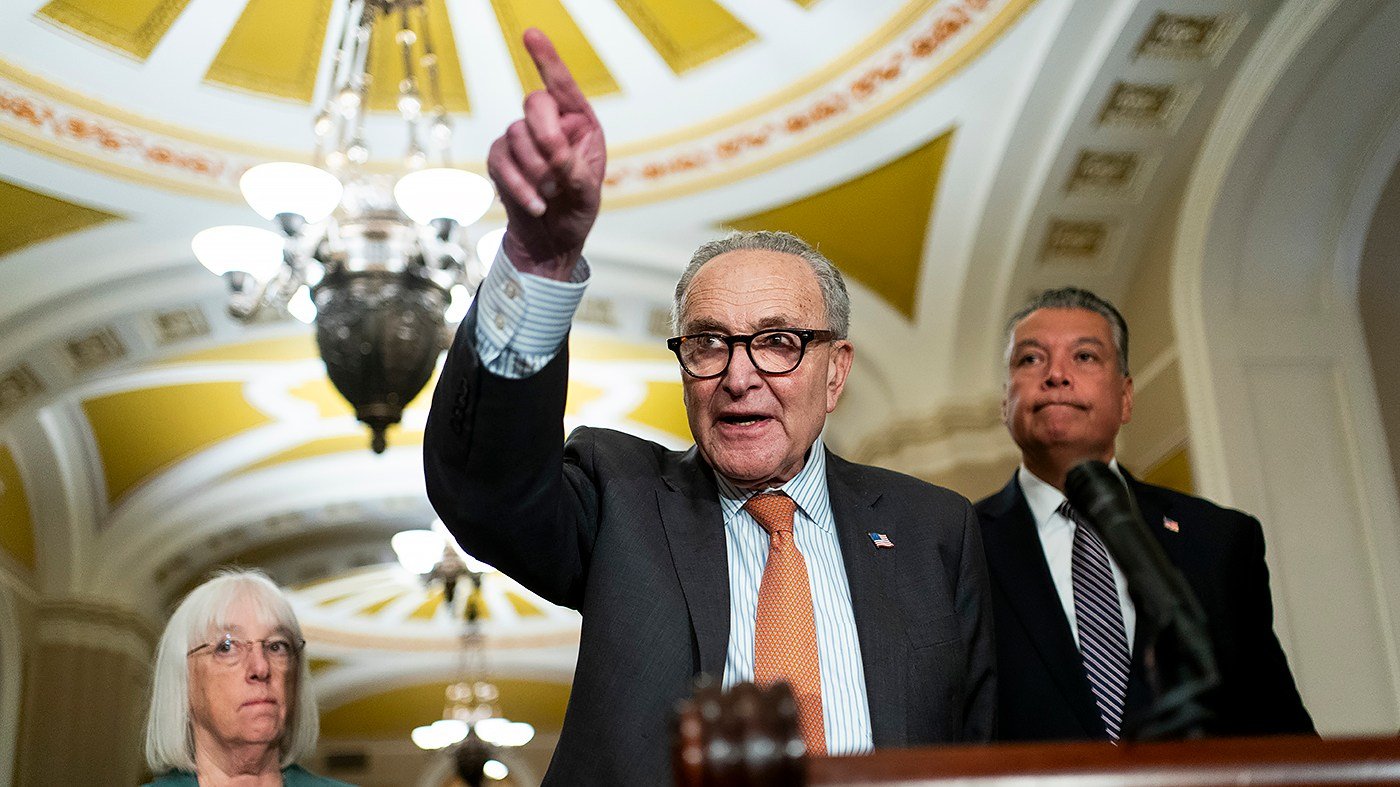
Heinrich, speaking at a press conference, emphasized that the text includes provisions that would force data centers to pay for the electricity they add to the grid, rather than shifting those costs onto consumers. This is a direct response to the rapid proliferation of data centers, which have become a major driver of electricity demand and have raised concerns about grid reliability and affordability.
Capito highlighted that the package includes "comprehensive reforms" to the environmental review and permitting processes under the National Environmental Policy Act (NEPA). These reforms are intended to shorten the timeline for project approvals, which industry groups have long argued are excessively slow and costly. However, environmental advocates have warned that weakening NEPA could harm communities and ecosystems that rely on its protections.
The negotiations also grappled with the Trump administration's stance on renewable energy projects. Whitehouse noted that "the question of returning to regular order for wind and solar projects in the Trump administration" remains "unresolved," but he indicated that the administration had presented a "very reasonable opening proposal" during the talks. This suggests that the final deal may include provisions that would ease the permitting process for renewables, a key priority for Democrats.
The deal comes as Senate Democrats have previously blocked standalone measures aimed at protecting ratepayers from data center costs, making this compromise a significant shift. It also sits against the backdrop of broader political maneuvering, with Democrats preparing for a potential return to power and a new round of corporate oversight.
While the deal has been hailed as a breakthrough, it still faces significant hurdles. Lawmakers must finalize the legislative text, secure the support of leadership in both chambers, and navigate the complexities of a post-election session. The lame-duck period is often unpredictable, and the outcome will depend on the balance of power after November.
For now, the bipartisan group is optimistic. "This is a good-faith effort to address a real problem," said Capito, "and we believe it can pass." Heinrich echoed that sentiment, adding that the package "strikes a balance between efficiency and responsibility."
As the details unfold, stakeholders across the energy and infrastructure sectors will be watching closely. The deal, if enacted, could reshape how major projects are approved and how the costs of new electricity demand are allocated, making it a pivotal piece of legislation for the years ahead.