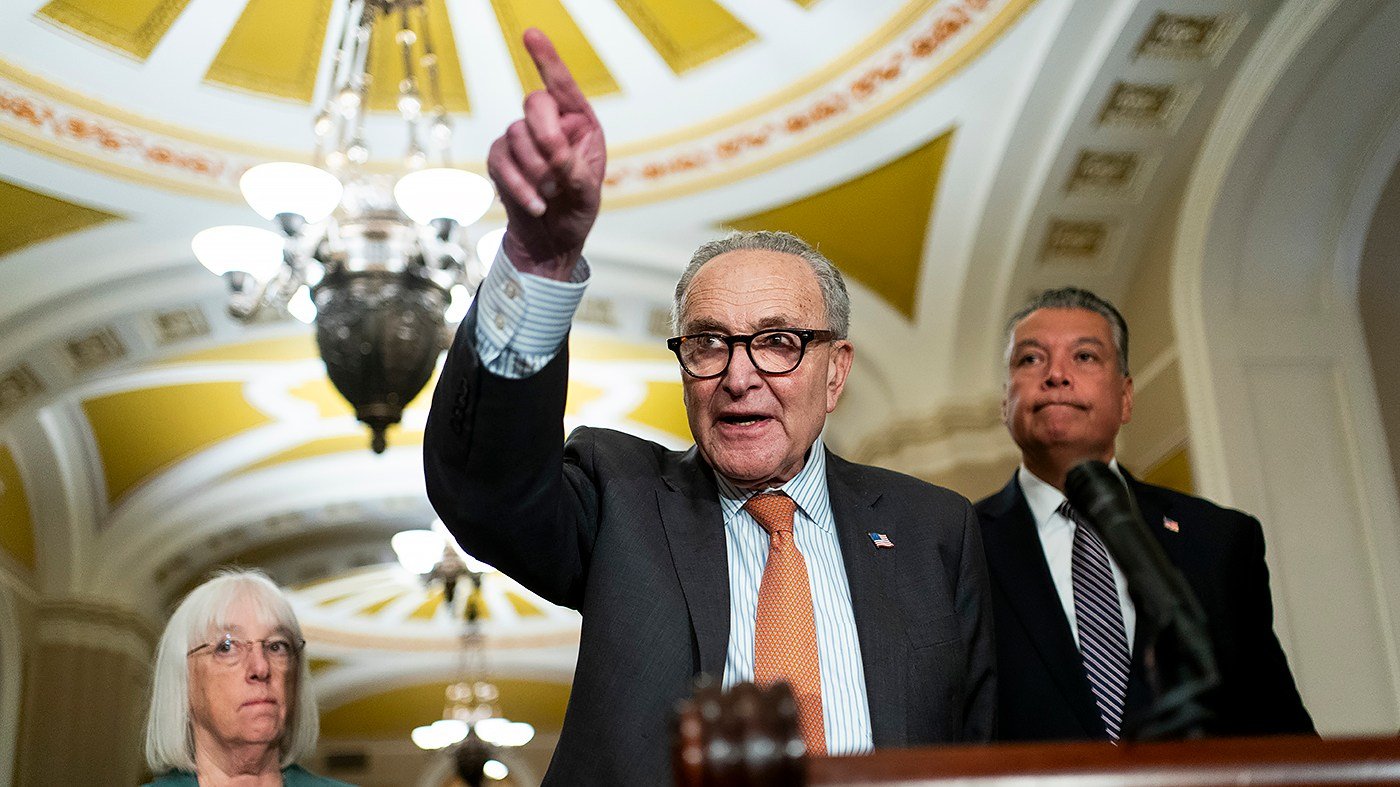
As the prospect of Democratic control of Congress grows stronger, corporations are being warned to brace for an intense wave of congressional oversight. With Democrats holding a significant lead in House polls, committee chairs are already planning aggressive investigations that could target the private sector as early as January.
While the White House remains a prime target, the administration has signaled it will fiercely resist subpoenas, citing executive privilege. This makes the private sector a more accessible and attractive target for Democratic investigators. Companies in politically charged industries—such as artificial intelligence, pharmaceuticals, energy, media, and financial services—are particularly vulnerable, especially those that have struck high-profile deals with the administration.
Investigations will not be limited to the usual suspects like Judiciary, Oversight, and Energy and Commerce. Many other committees, facing a gridlocked legislative agenda, are expected to pivot to oversight, hiring additional investigative staff and expanding their jurisdictional reach.
Legal experts caution that companies should not treat a congressional inquiry as a typical lawsuit. Unlike civil litigation, there is no judge to oversee the process, and committees have broad discretion to determine relevance. The initial letter from a committee is often the beginning of a negotiation over scope and timing, and how a company responds can determine whether the matter remains in staff-level discussions or escalates to subpoenas and public hearings.
One of the most significant risks is reputational. Even if a company's legal position is defensible, the headlines generated by a congressional investigation can be damaging. Committees often use the press as a lever, and a company can quickly become the story.
To prepare, experts recommend seven key steps. First, map political exposure, not just legal exposure, by identifying where the business intersects with politically sensitive issues. This includes contracts, regulatory approvals, consumer complaints, and any public controversies. Second, extend document preservation protocols to cover congressional inquiries, which can be triggered by public letters or press reports. Third, establish an internal escalation path that includes legal, government affairs, communications, and business leadership.
Fourth, treat minority oversight as real oversight. Even without subpoena power, minority members can send letters, coordinate with watchdogs, and build public records that could become the basis for future investigations if control changes. Fifth, pressure-test the company's voluntary cooperation posture, deciding in advance how to handle informal requests while narrowing overbroad demands.
Sixth, revisit privilege. Companies often assume attorney-client and work-product protections apply in Congress as they do in court, but committees may not recognize them. Protecting privileged material often depends on negotiation rather than legal rulings. Finally, retain outside counsel with congressional experience. As recent Democratic demands for answers show, committees are already active, and companies should be ready.
With Democrats poised to flip the Senate, the likelihood of unified Democratic oversight grows. The time to prepare is now, before the first letter from Capitol Hill arrives.