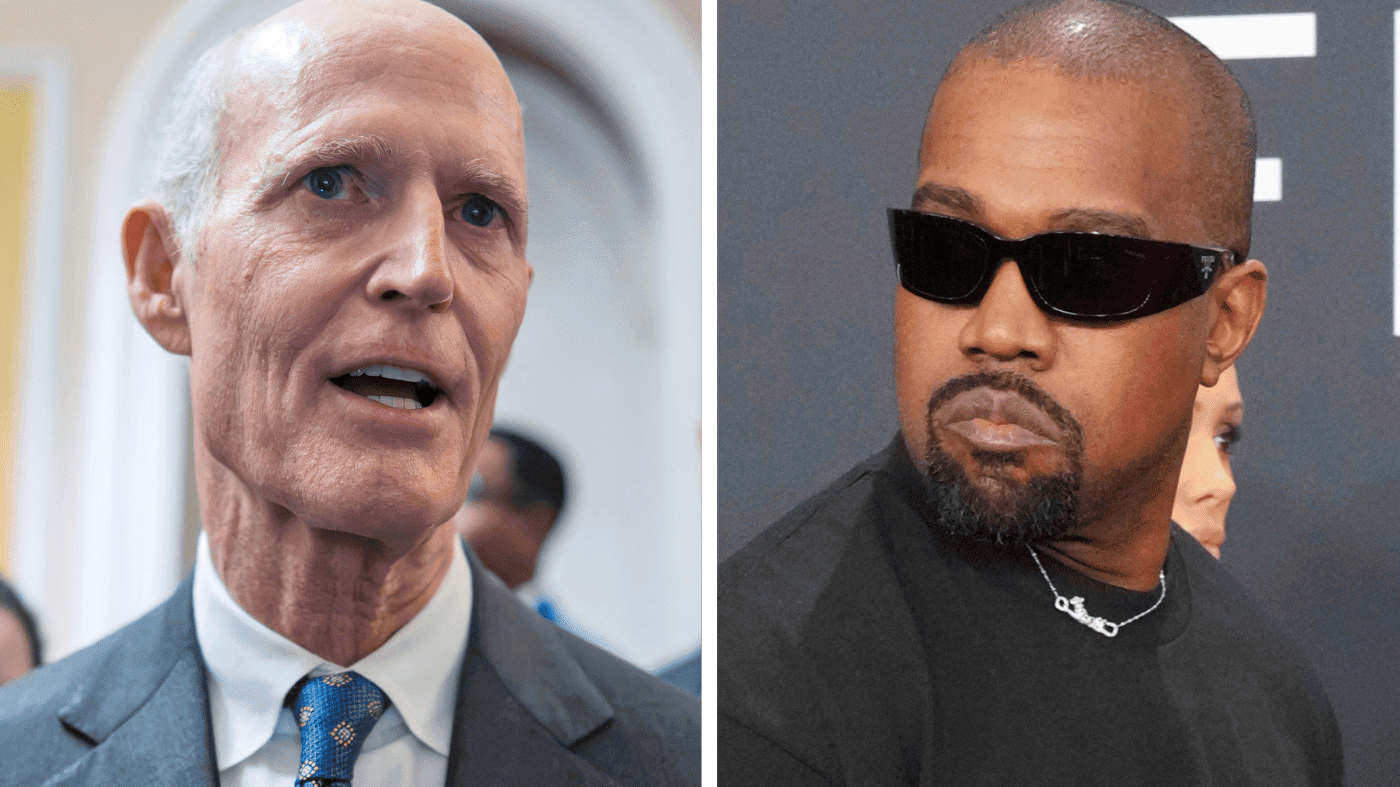
Sen. Rick Scott (R-Fla.) has been unable to halt Kanye West's upcoming performances in Tampa Bay, despite a sustained campaign targeting the rapper's history of antisemitic rhetoric. The concerts, scheduled for this weekend at Raymond James Stadium, are expected to move forward as planned, drawing criticism from the senator and local community groups.
Scott, alongside several Jewish organizations, has been vocal in demanding the cancellation, citing West's past praise for Adolf Hitler and repeated antisemitic comments. At a press conference earlier this month at the Florida Holocaust Museum, Scott argued that allowing the shows to proceed would send a dangerous message. “If we don’t stand up and vocally reject the hate from Kanye West, if we don’t stop this concert, we’re telling everyone that antisemitism is okay in Florida — as long as you can make some money with it,” he said.
The senator also emphasized the public funding behind the venue, which is supported by the Tampa Sports Authority and taxpayer dollars. “We should do everything in our power to keep public money and resources out of that kind of event,” Scott added, noting the area's significant Jewish population.
During a Monday appearance on NewsNation, Scott reiterated his stance, telling host Katie Pavlich, “I don’t believe that we should allow our public institutions to bring somebody in who is supporting hatred.” He pointed to West's previous comments, including his embrace of Nazi symbolism, as justification for the cancellation.
Scott launched an online petition on Change.org last week, urging the Tampa Sports Authority to block the performances. The petition has garnered over 11,500 signatures, but legal experts say the authority has limited power to act. According to Fox 13 News, the contract between the venue and the concert promoter includes a clause that prevents cancellations based on public backlash over an artist's past statements or anticipated speech.
West, who now goes by Ye, has made efforts to walk back his antisemitic remarks. In January, he took out a full-page ad in The Wall Street Journal apologizing for his comments and his previous display of a swastika. He attributed his behavior to mental health struggles, including bipolar disorder, stating he had “lost touch with reality.” “I regret and am deeply mortified by my actions in that state, and am committed to accountability, treatment, and meaningful change. It does not excuse what I did, though. I am not a Nazi or an antisemite. I love Jewish people,” West wrote.
This is not the first time the rapper has apologized for antisemitic remarks, and skepticism remains among advocacy groups. A spokesperson for the Anti-Defamation League told The New York Times in January, “The truest apology would be for him to not engage in antisemitic behavior in the future.”
The controversy echoes similar efforts elsewhere, such as the San Antonio mayor's push to cancel a Kanye West July 4 concert over the same concerns. Scott's campaign also comes amid broader political battles in Florida, including Scott's push for a GOP shutdown plan and ongoing debates over voter ID legislation.
Despite the legal constraints, Scott has not relented. He continues to pressure the Tampa Sports Authority, arguing that public institutions should not be complicit in amplifying hate speech. However, with the contract binding, the concerts are set to proceed, leaving opponents to voice their dissent outside the venue.