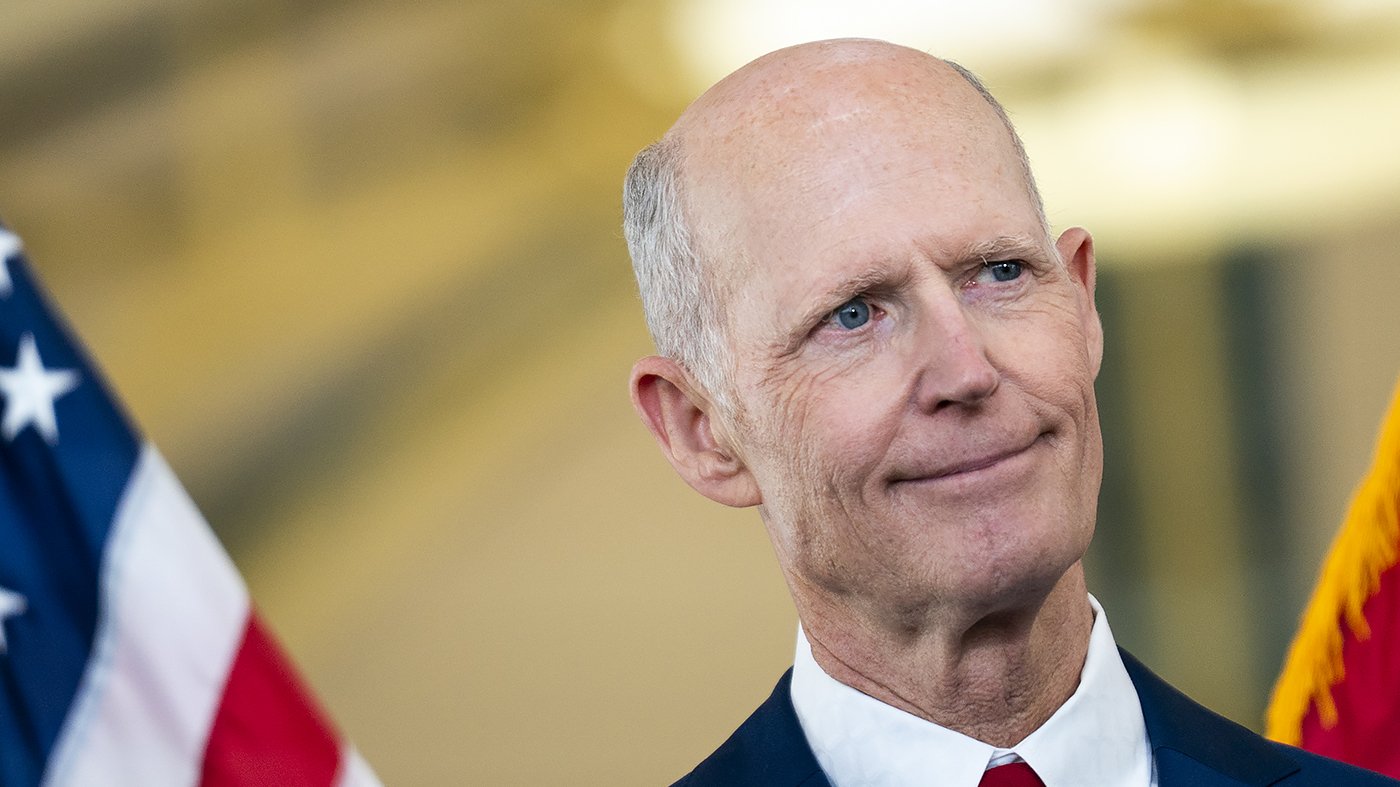
Senator Rick Scott (R-FL) is using procedural power to block the confirmation of hundreds of Coast Guard officers, creating a standoff over a troubled shipbuilding contract with a Florida-based company. The move prevents the Senate from approving the promotions through unanimous consent, forcing a potentially lengthy series of individual votes.
Contract Dispute at the Core
The blockade centers on Eastern Shipbuilding Group, which secured a multi-billion dollar contract in 2016 to build four Offshore Patrol Cutters for the Coast Guard. The company, based in Panama City, Florida, has failed to deliver the vessels on schedule. Production delays led the Department of Homeland Security under then-Secretary Kristi Noem to reduce the order from four ships to two last year, citing the company's failure to meet delivery agreements.
In a statement, Scott said he has unresolved questions about what happened with the company's contracts since the Trump administration and that "they haven't been answered yet." He insists the nearly-completed ships are vital. "This is about accountability; the American people need to know how and why their money is being spent and they deserve that honesty from their government," Scott argued.
Financial Strain Halts Work
The situation deteriorated further in November when Eastern Shipbuilding announced it would stop work on the two remaining vessels "due to significant financial strain caused by the program's structure and conditions." This leaves a critical Coast Guard modernization program in limbo, a point Scott emphasizes while seeking a full accounting of the funds.
Scott maintains he is negotiating in good faith. "I've been speaking with all parties on this issue in good faith, and I will keep having those conversations to make sure we can get clarity and come to a resolution," he said. The senator has previously used his platform to demand government transparency, such as when he called for a major overhaul of surveillance laws based on his own experiences.
Senate Process Grinds to a Halt
By placing a hold on the promotions, Scott forces Senate Majority Leader John Thune (R-SD) to file cloture and hold roll call votes for each individual nominee—a process that could consume the Senate floor for months. This tactic mirrors the one employed last year by Senator Tommy Tuberville (R-AL), who held up hundreds of military promotions in a dispute over Pentagon abortion policy, testing the limits of senatorial power and creating significant operational disruptions.
Such procedural blockades highlight how constitutional checks and balances are under strain as individual senators leverage routine confirmations to advance policy or oversight goals. The Coast Guard, a critical branch of homeland security and defense, now faces leadership uncertainty amid other global pressures, including times when the Navy has issued urgent cybersecurity directives to personnel during heightened international tensions.
The stalemate also occurs against a backdrop of other protracted security deployments, such as the indefinitely extended National Guard presence in Washington D.C. due to political and legal disagreements. Scott's hold underscores a continuing trend where specific contractual and oversight disputes escalate to impact broader government function and military readiness.