Florida Senator Points to Personal History in Surveillance Debate
Republican Senator Rick Scott of Florida has positioned himself at the center of the contentious debate over America's warrantless surveillance powers, demanding what he terms "common-sense" reforms to Section 702 of the Foreign Intelligence Surveillance Act. Scott's push comes as the Republican conference remains deeply divided on the issue, complicating efforts to reauthorize the critical intelligence tool.
A Short-Term Fix and a Looming Deadline
Congress recently averted an immediate lapse by passing a ten-day extension of Section 702 authorities, sending the measure to President Trump for his signature. This stopgap move followed the collapse of a proposed 18-month renewal, which was blocked by a coalition of conservative lawmakers and privacy advocates. The program is now set to expire on April 30, creating a tight window for legislative action. The short-term extension underscores the significant political hurdles facing any long-term reauthorization, particularly without substantive changes to the law.
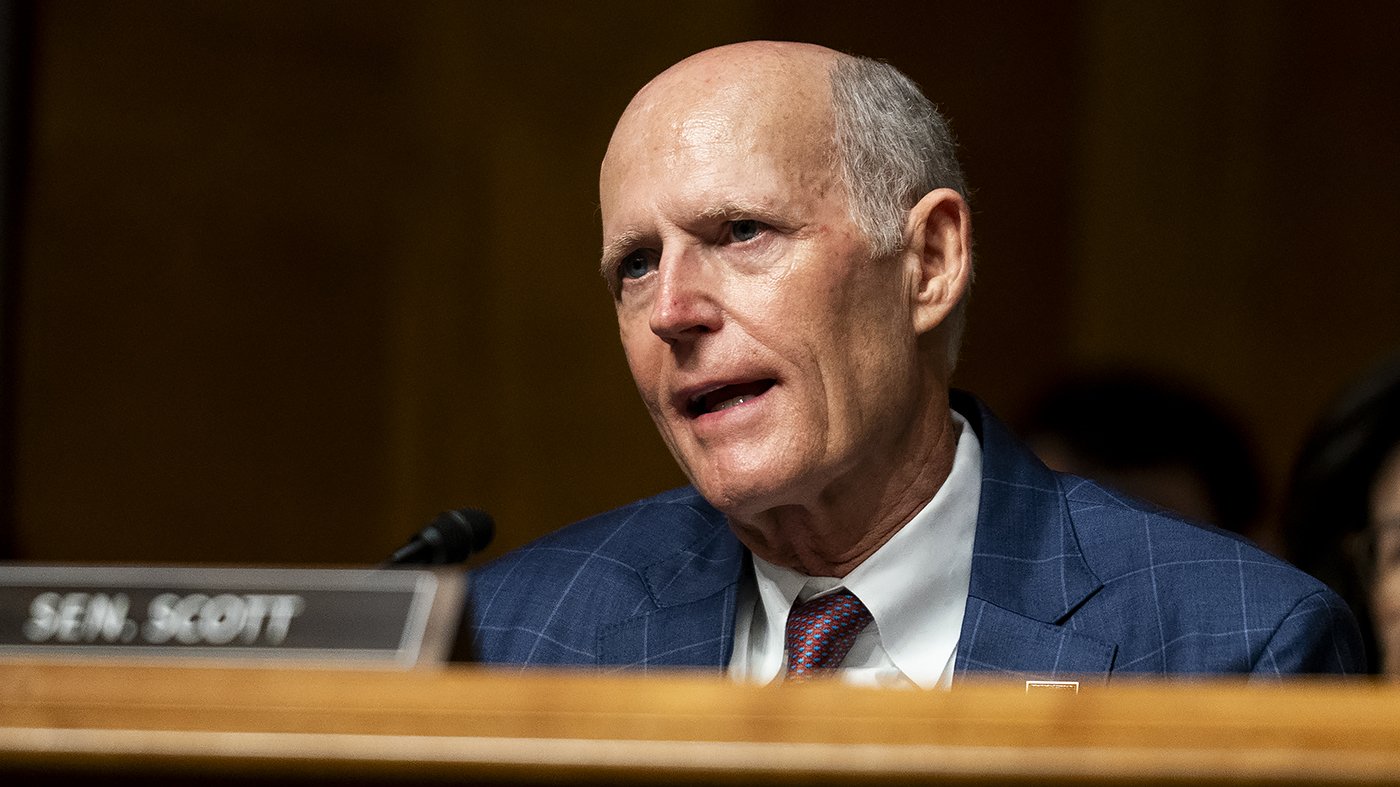
In a Sunday television interview, Scott argued that Congress must "make changes" to Section 702, which permits the U.S. government to collect communications of non-Americans located overseas. He pointed to a series of 56 reforms enacted during the last reauthorization in 2024, asserting they have proven effective. "By every measure and review, those are working just as we planned," Scott stated. "We've not had the abuses that were happening before those reforms." He cited a dramatic decrease in queries of Americans within the database, from millions to approximately 9,000 in a recent yearly period, though over 100 of those searches were found noncompliant with procedures.
Personal Experience Informs Political Stance
Scott's advocacy is deeply personal. He revealed that the federal government surveilled his former company, Columbia/HCA, during a massive Medicare fraud investigation in the 1990s. The probe led to his resignation as CEO and resulted in the company paying $1.7 billion in fines. More recently, the FBI obtained his phone records as part of "Operation Arctic Frost," its investigation into efforts to overturn the 2020 election and the January 6 Capitol breach.
"So, if they can target a large company CEO and a U.S. senator, they can target Americans," Scott argued, framing his call for reforms as a necessary check on potential overreach. His stance highlights a growing sentiment within a faction of the GOP that aligns with civil liberties groups, who have long criticized Section 702 for enabling what they see as unconstitutional surveillance of U.S. persons without a warrant.
This internal GOP rift is not isolated. Other prominent figures have also signaled that reauthorization is not guaranteed without stronger privacy protections. For instance, Democratic Leader Hakeem Jeffries has similarly indicated opposition to a clean renewal, suggesting a potential bipartisan appetite for reform, albeit for different reasons. The debate also intersects with broader national security tensions, such as those seen in the ongoing standoff over Pentagon AI and autonomous weapons systems, where concerns about oversight and ethical boundaries are paramount.
Reforms, Criticism, and the Path Forward
The 2024 reforms referenced by Scott included a significant procedural shift: intelligence community personnel must now actively opt-in to search the Section 702 database for U.S. person information, ending a previous default setting. While officials point to the subsequent drop in queries as evidence of success, watchdog organizations like the Brennan Center for Justice have dismissed the changes as insufficient, arguing they perpetuate an "unacceptable status quo" that allows for the abuse of surveillance powers against Americans.
As the April 30 deadline approaches, the path forward is unclear. President Trump initially advocated for a "clean" 18-month reauthorization, but the political landscape has shifted. Scott's public campaign, bolstered by his personal narrative, adds a new dimension to the debate. His argument suggests that even with procedural improvements, the fundamental authority requires stricter limits to prevent the targeting of American citizens, a concern that resonates with lawmakers on both sides of the aisle who are wary of executive branch overreach.
The coming weeks will test whether Congress can bridge its divides to craft a renewed surveillance authority that satisfies national security officials while addressing the civil liberties concerns voiced by Senator Scott and his allies. The outcome will have lasting implications for the balance between security and privacy in the digital age.