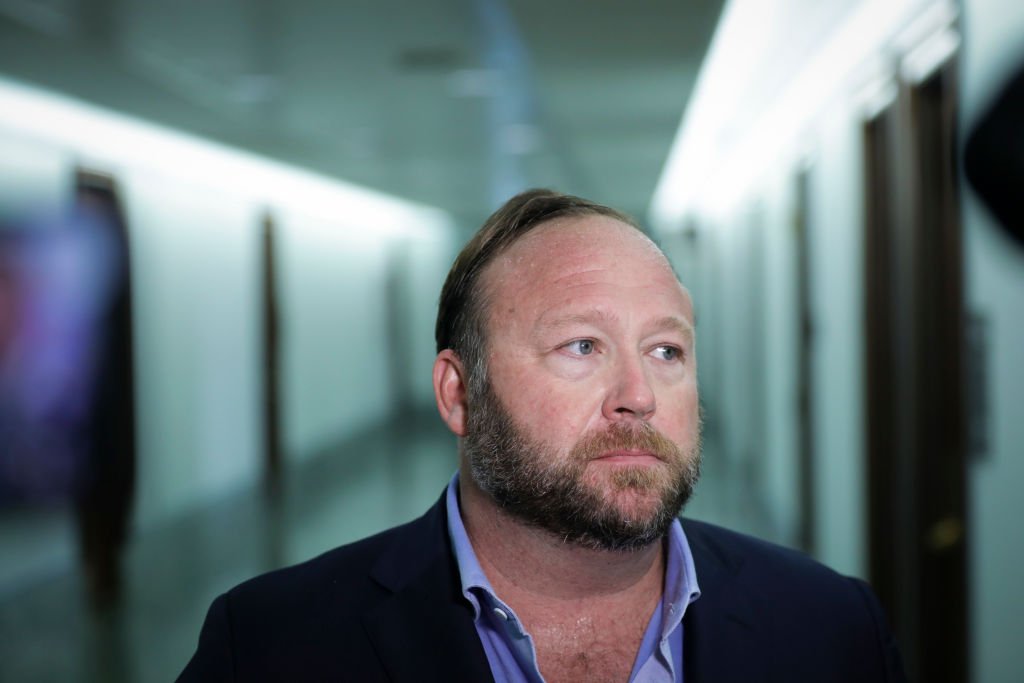
The parent company of the long-running satirical publication The Onion has announced a definitive agreement to assume control of Infowars, the controversial media platform established by conspiracy theorist Alex Jones. The move represents a stark collision between political satire and the ecosystem of online misinformation.
Deal Announced by Parent Company CEO
Ben Collins, the chief executive of Global Tetrahedron, which owns The Onion, disclosed the arrangement in a post on the social media platform BlueSky on Monday. Collins indicated the transaction was executed with assistance from the families of victims of the Sandy Hook Elementary School shooting. Jones was found liable for defamation after repeatedly claiming the 2012 massacre was a hoax, a case that resulted in judgments totaling nearly $1.5 billion against him and his companies.

The acquisition marks a dramatic shift for Infowars, which for years served as a primary outlet for Jones's unfounded conspiracy theories on topics ranging from globalist plots to fraudulent elections. The platform's assets are now under the control of an entity dedicated to parody and political commentary.
A New Direction for the Platform
In a video released to announce the takeover, The Onion declared "the new Infowars is here." The video featured comedian Tim Heidecker, who was introduced as the platform's creative director. This signals an intent to radically repurpose the outlet's brand and content direction, likely transforming it into a vehicle for satire that critiques the very kind of misinformation it once propagated.
The involvement of the Sandy Hook families adds a profound layer of context to the business deal. Their participation suggests the arrangement may include provisions aimed at repurposing the platform's revenue streams or ensuring Jones's influence over its content is permanently severed. This development occurs amid broader national debates about content moderation, platform accountability, and the legal repercussions for spreading harmful falsehoods.
This corporate maneuver is unfolding within a complex media and political landscape. Recent congressional scrutiny has focused on foreign influence operations and domestic threats, with a House Oversight Committee member raising alarms about foreign powers potentially targeting American scientists. Meanwhile, internal party dynamics continue to shape policy debates, as House Democrats prepare to confront an Iran ceasefire deadline alongside internal party scrutiny.
The repurposing of a major misinformation hub by a satirical enterprise is unprecedented. It raises immediate questions about the future of the Infowars brand, its audience, and its role in the media ecosystem. Will former adherents reject the satirical takeover, or could the platform be used to deconstruct conspiracy theories from within? The strategic implications for combating misinformation are significant, suggesting a novel, market-based approach to countering harmful rhetoric.
This news follows other high-profile incidents involving security and accountability. Earlier this week, authorities reported a breach of the White House perimeter that left a Secret Service officer injured. In a separate matter concerning official conduct, Representative Alexandria Ocasio-Cortez has publicly labeled FBI Director Patel a national security risk over allegations about his conduct.
The Onion's acquisition of Infowars ultimately represents more than a simple business transaction. It is a cultural and political event, highlighting the ongoing struggle over narrative control, the real-world consequences of misinformation, and the evolving tactics used to confront it. The success or failure of this satirical rebranding will be closely watched by media analysts, policymakers, and advocates concerned with the integrity of the public discourse.