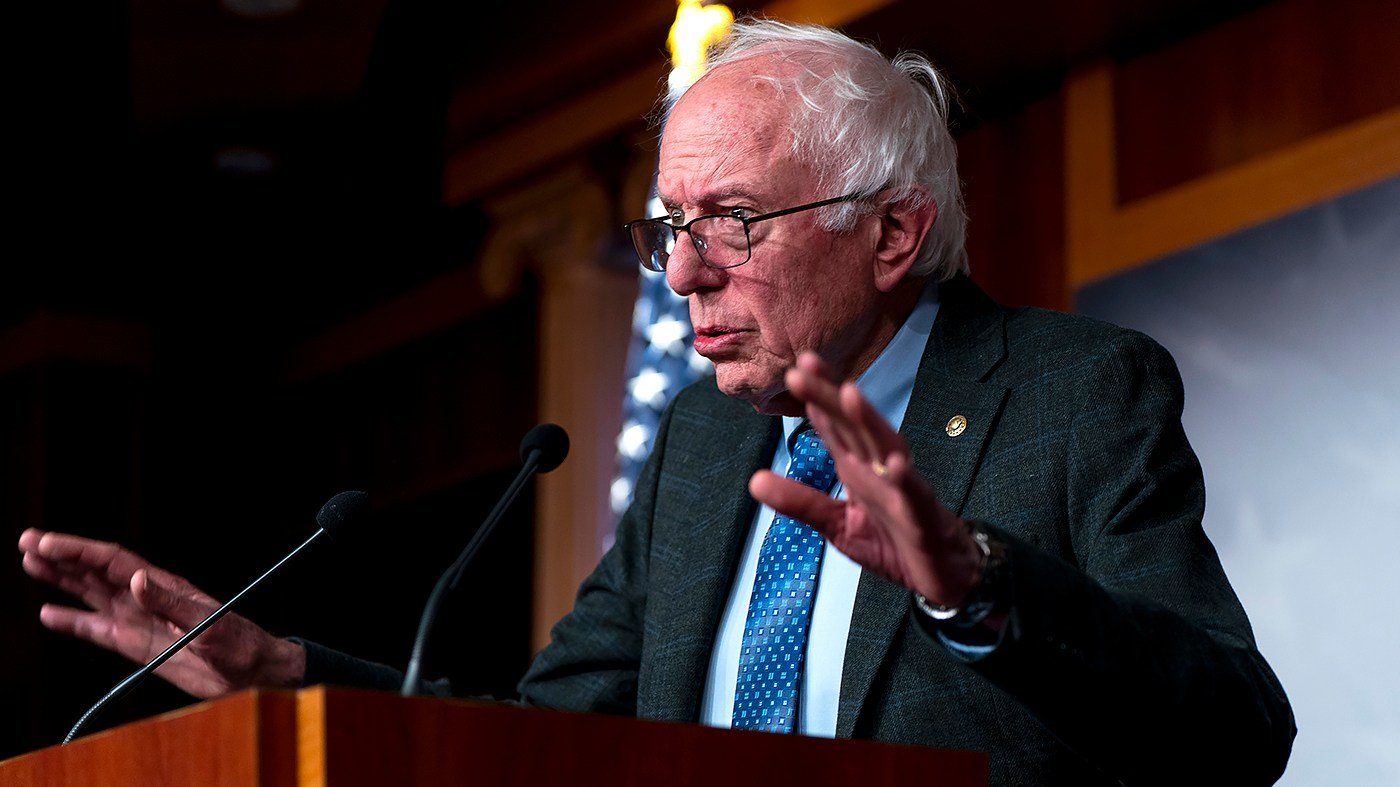
Sen. Bernie Sanders (I-Vt.) is preparing to place a sweeping Medicare for All proposal at the center of the Democratic agenda when he assumes the chairmanship of the Senate Health, Education, Labor and Pensions (HELP) Committee next year. In an interview with The Associated Press, Sanders said universal health care is “no longer a utopian vision” but rather “where the American people are,” pointing to the Democrats’ strong performance in the midterm elections as evidence of public support.
The Vermont senator’s plan would phase in a single-payer system over four years. In the first year, the Medicare eligibility age would drop from 65 to 55, with coverage expanded to include dental and vision care. Children up to age 18 would also be guaranteed coverage. The second year would lower eligibility to 45, the third to 35, and by the fourth year, all Americans would be covered.
Sanders is eyeing the budget reconciliation process as a legislative pathway to circumvent a Republican filibuster in the Senate. However, even if the measure cleared both chambers, it would almost certainly face a veto from President Trump. The Hill has reached out to Sanders’s office and the HELP Committee for additional details.
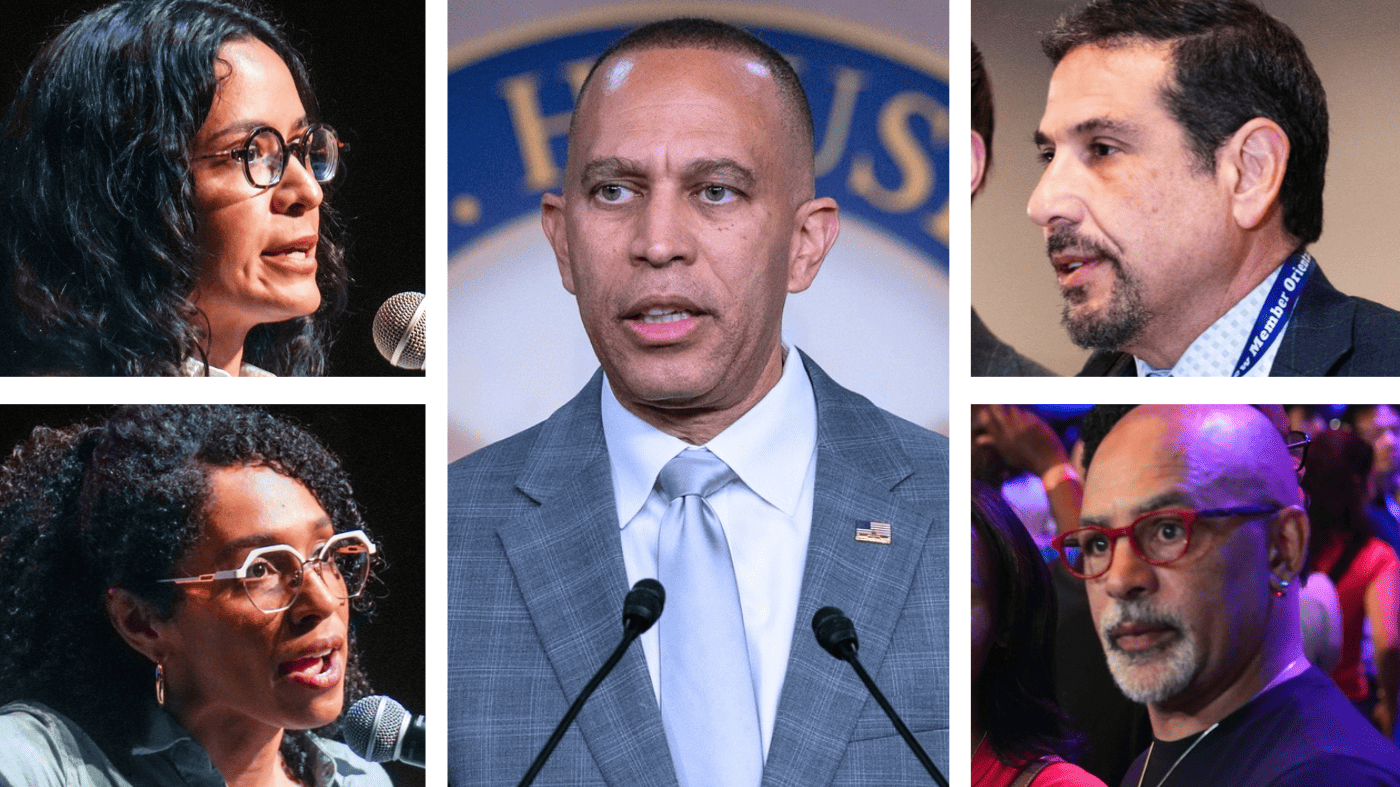
The push comes as Democratic leadership is already signaling openness to expanding Medicare. House Speaker Hakeem Jeffries (D-N.Y.) endorsed the idea on Tuesday, arguing that “we should lower the age of Medicare eligibility.” His remarks align with the broader Democratic agenda on Medicare expansion.
Incoming Senate Democratic freshmen, including Abdul El-Sayed of Michigan and Troy Jackson of Maine, have voiced support for Medicare for All. Sen. Chris Van Hollen (D-Md.), who is challenging Sen. Chuck Schumer (D-N.Y.) for Senate majority leader in 2027, also backs the proposal but says he would defer to the caucus rather than impose his own views.
Not all Democrats are fully on board. Sen.-elect Chris Pappas (D-N.H.) told The Hill that while he wants every American to have health insurance, his immediate priority is stopping an estimated $1 trillion in Medicaid cuts. “Right now we got to stop the cuts from going into effect. That’s the first order of business,” he said, adding that he hopes that will be part of the early push next year.
The Republican-controlled House Budget Committee has estimated that Medicare for All would increase federal spending by $32 trillion over a decade. Meanwhile, Medicare’s trustees projected in June that the Hospital Insurance Trust Fund would become insolvent by 2033 without reforms. Sanders is scheduled to hold a press conference Tuesday morning on Capitol Hill to outline the HELP Committee’s 2027 agenda.