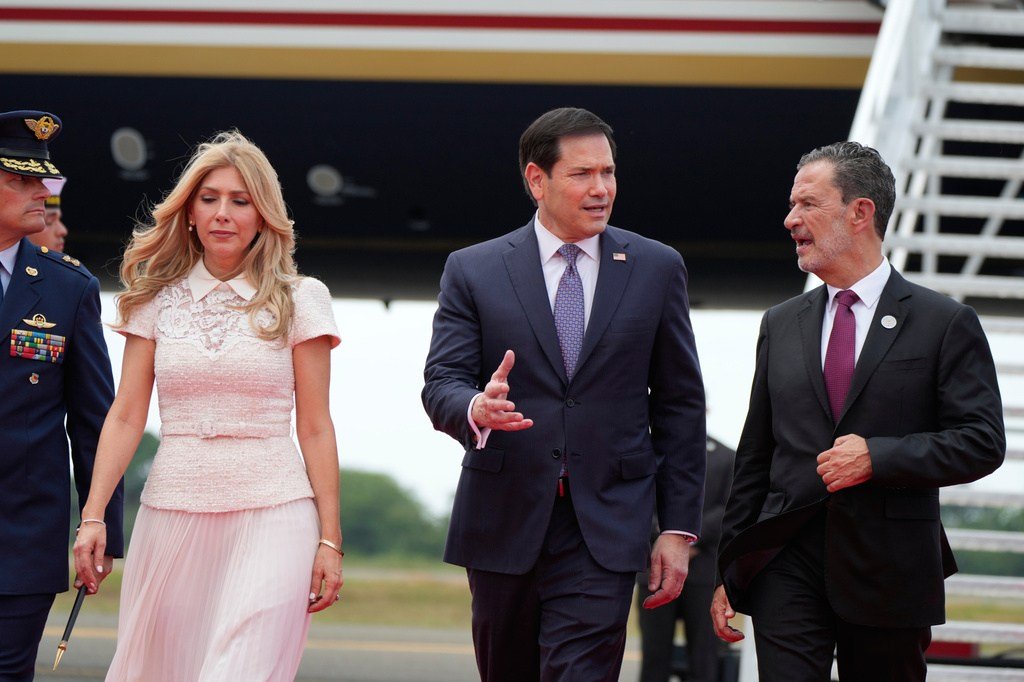
Secretary of State Marco Rubio's recent swing through Colombia, Ecuador, and Peru—his fifth regional visit in the role—has drawn the usual critiques. Critics point to legal overreach, heavy-handed anti-China pressure, and a return to old-school backyard diplomacy. Some of those tactical concerns are fair. But Rubio's instinct to prioritize this neighborhood is sound.
At its core, foreign policy must protect American lives, livelihoods, and liberties. No region affects those daily realities more directly than Latin America. For too long, Washington has "rediscovered" the region only when crises erupt—migrant surges, drug flows, or rival powers making inroads. That reactive posture is exactly backward.
Economic Stakes Are Enormous
Start with the numbers. In 2024, U.S. trade in goods and services with Canada, Latin America, and the Caribbean hit $2.32 trillion—roughly a third of all U.S. trade, surpassing combined exchanges with the EU and UK. Much of that commerce moves overland by truck, rail, and pipeline across a shared continent, binding economies in ways oceans don't.
Security is equally intertwined. U.S. authorities logged about 2.2 million encounters at the southwest border in fiscal 2024, dropping to roughly 444,000 a year later. Both figures underscore the same reality: events in Latin America don't stay there. More than half of U.S. immigrants were born in the region, versus about 27% from Asia.
Drug Cartels and Energy Links
The drug trade follows the same geography. Mexico's Sinaloa and Jalisco New Generation cartels dominate fentanyl and other illicit flows north. DEA analysis of cocaine seized in the U.S. in 2024 traced 84% back to Colombian coca. Debates over the legality of U.S. boat strikes on suspected traffickers are valid, but they shouldn't obscure the core truth: these networks can only be dismantled through regional coordination.
Energy, by contrast, is a strategic asset. Pipelines and power lines already knit the continent together. Canada sent about 4.1 million barrels of crude oil per day to the U.S. in 2024, while U.S. natural gas exports to Mexico hit a record 6.4 billion cubic feet daily. That integration cushions global shocks—Americans have felt far less pain from Iran-related disruptions because only about 2% of U.S. petroleum consumption relies on Hormuz transit.
Critical minerals could replicate that advantage. The Americas hold vast deposits of lithium, copper, nickel, graphite, niobium, and rare earths. But China dominates mining and, crucially, processing—the IEA says Beijing leads refining for 19 of 20 key strategic minerals. The U.S. has a chance to build hemisphere-wide supply chains from mine to refinery to factory, loosening Beijing's grip on future industries.
Beijing's Playbook
China is already the largest trading partner for Argentina, Brazil, Chile, Peru, and most others in the region. Chinese firms have helped build 37 ports, which today move containers but could also serve as logistical footholds in a crisis. Washington is right to pay attention, but it must do so with humility and consistency. Latin American nations don't want to be forced to choose. China buys their copper, soybeans, lithium, and shrimp, and finances infrastructure the U.S. often declined to build.
The answer isn't a new Monroe Doctrine. It's competition—being the better partner through more trade, investment, and respect. That means helping build ports, power grids, and mineral-processing plants while, unlike Beijing, honoring labor and environmental standards. It also means sharing intelligence and strengthening local security forces, as Rubio did on this trip, rather than threatening to deploy U.S. troops against gangs. Treat sovereign governments as partners, not pawns.
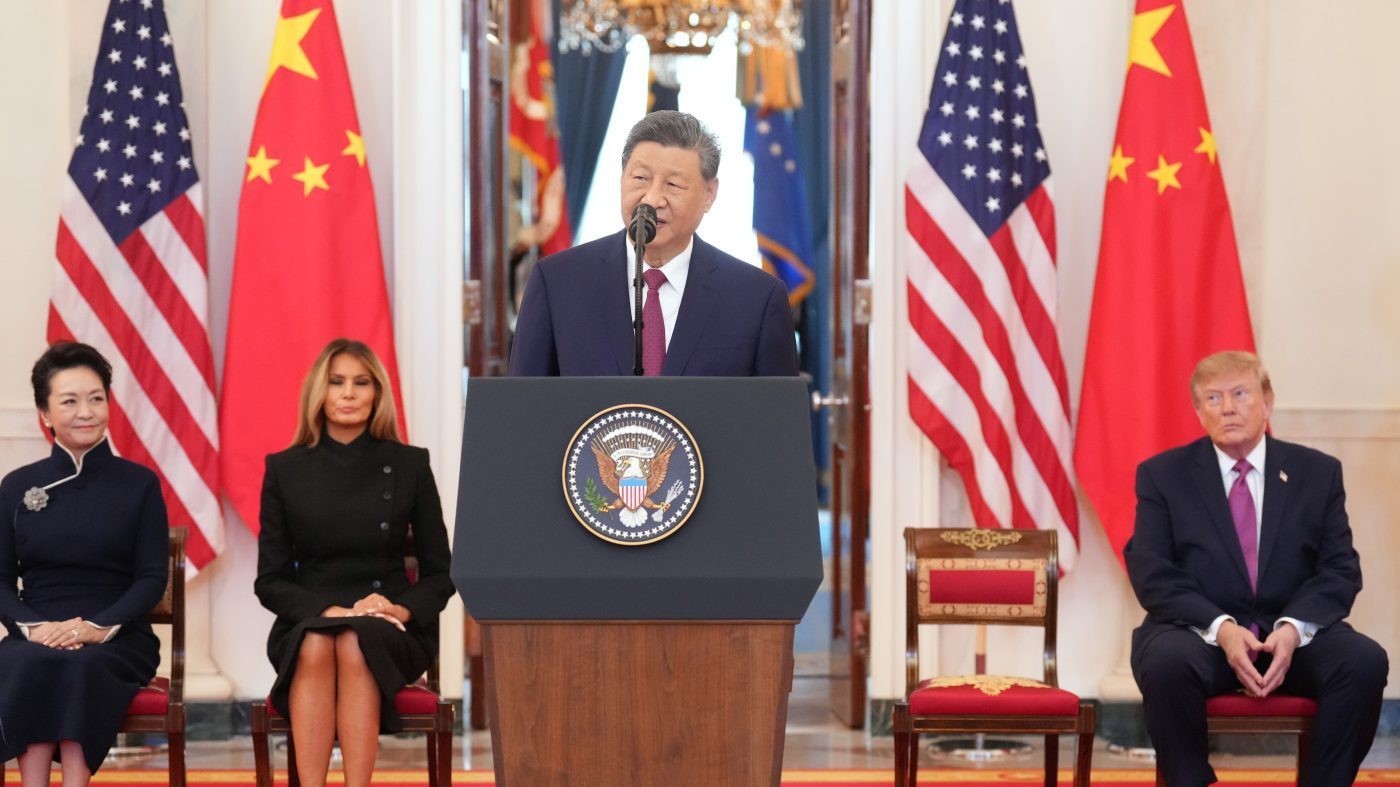
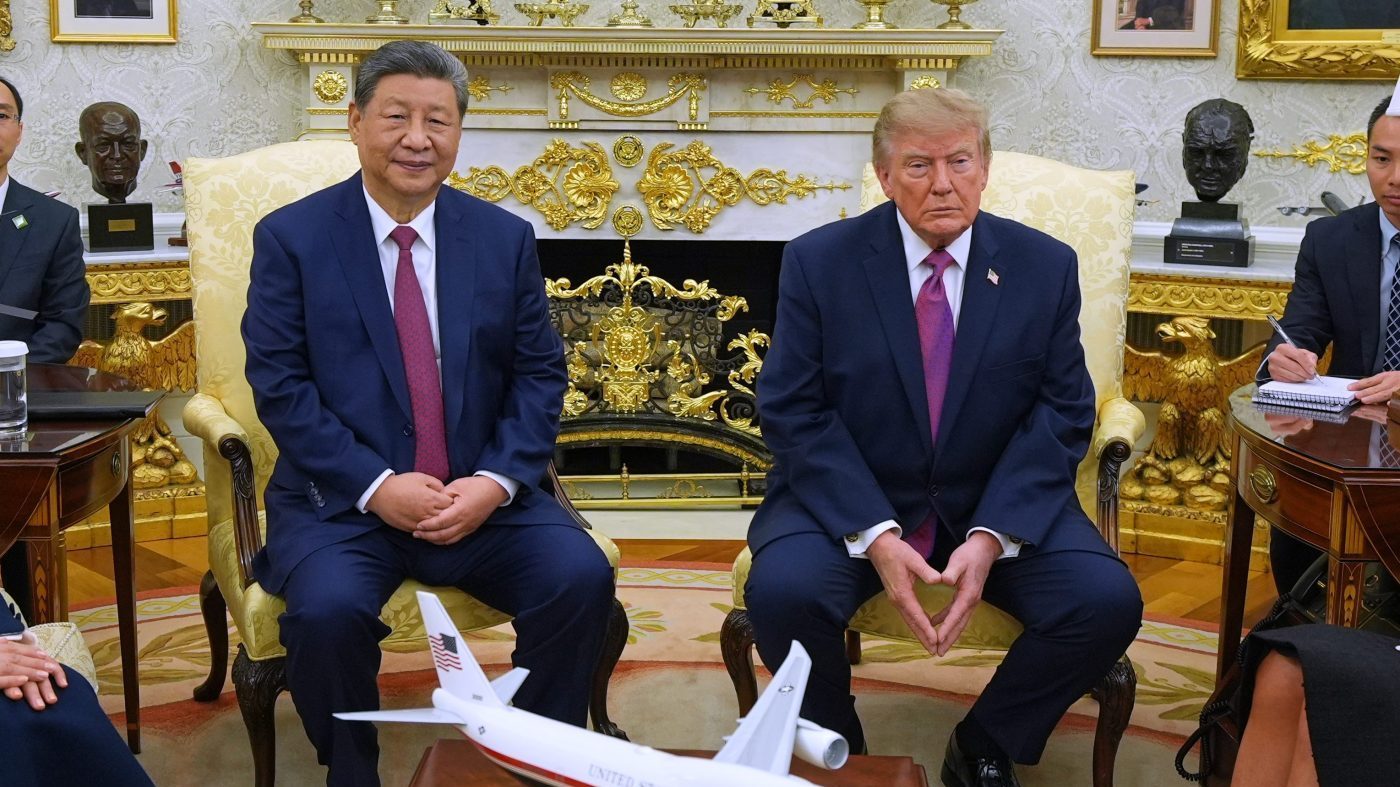
America doesn't need to control its hemisphere, but it can no longer afford to ignore it. As Trump and Xi meet amid trade tensions, the stakes for Latin America are clear. Rubio's approach—engaging on economic and security fronts without dictating—offers a pragmatic path forward.