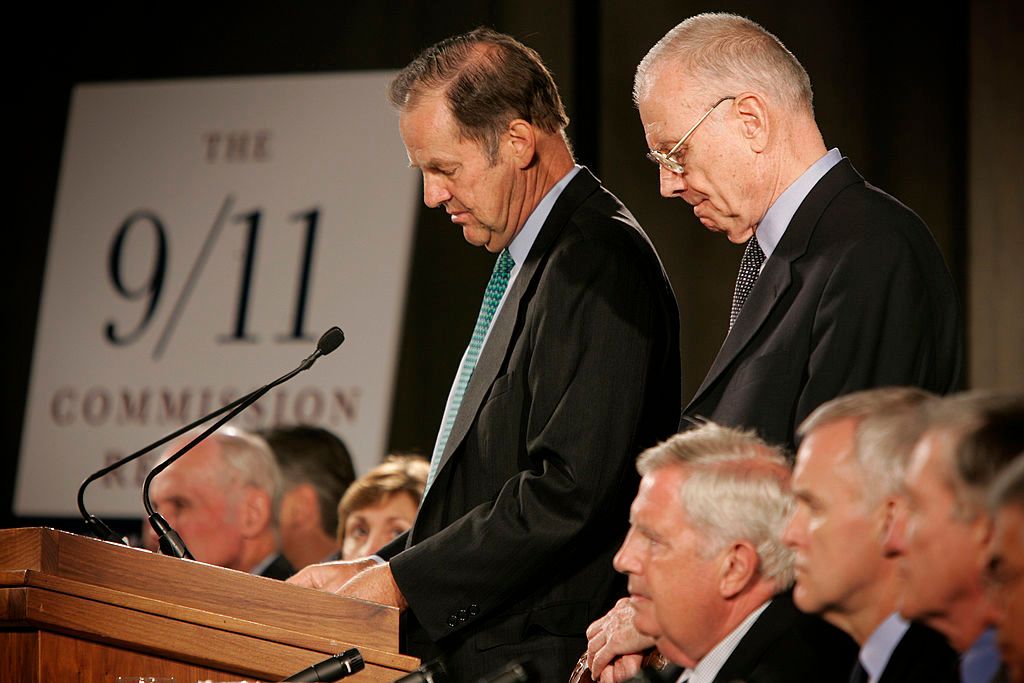
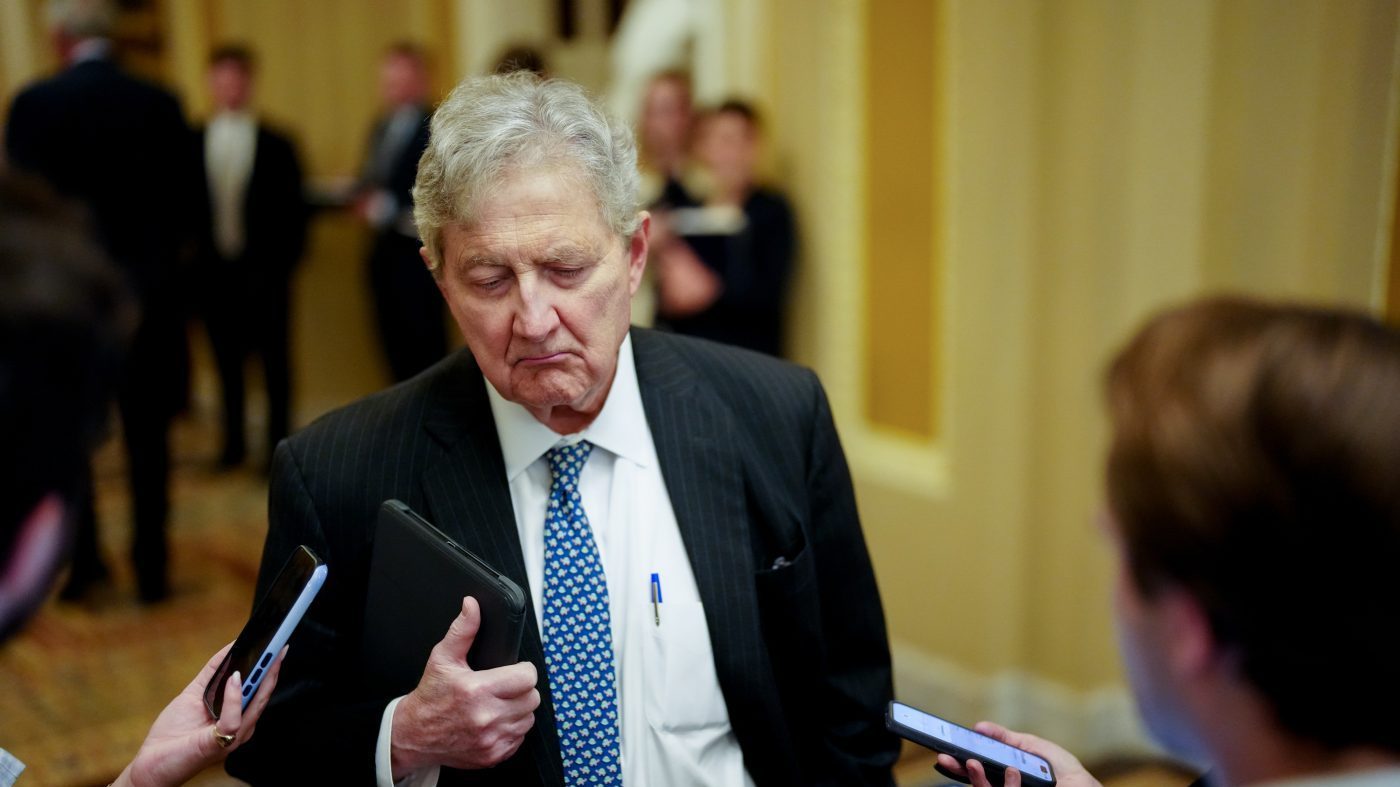
President Trump and Chinese President Xi Jinping opened a series of high-stakes talks on Thursday, culminating in a formal state dinner at the White House. The visit marks the first state visit by a Chinese leader in more than a decade, and it unfolds against a backdrop of simmering disputes over trade, artificial intelligence, and human rights.
Lawmakers from both parties have pressed Trump to use the summit to raise tough questions with Xi, including Beijing's trade practices, its aggressive push in AI development, and credible allegations of human rights abuses. The president, however, has signaled a desire to project warmth and diplomatic pageantry, a stance that has drawn bipartisan criticism. For a closer look at the political friction surrounding the event, see the bipartisan backlash over the grand welcome.
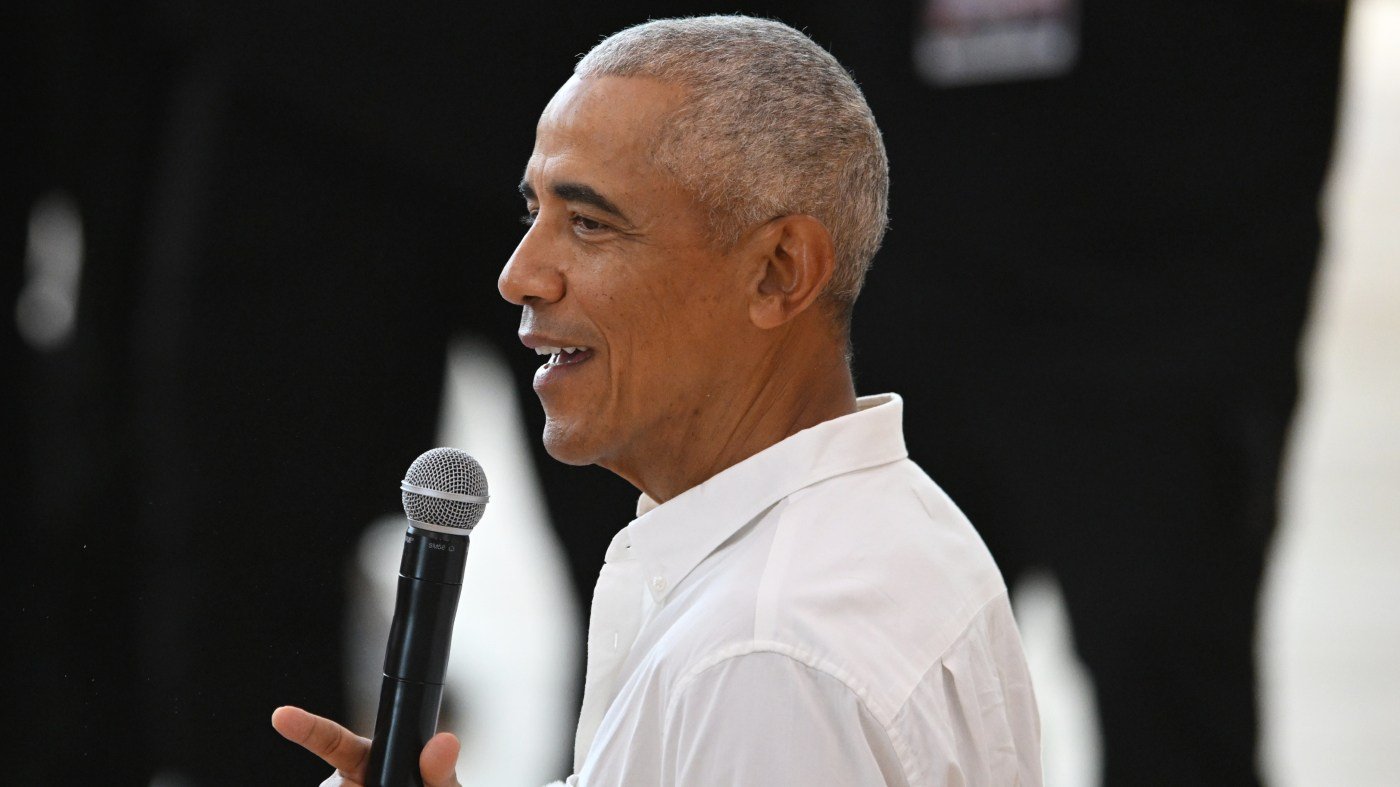
The summit's ceremonial elements have been carefully orchestrated. The White House released a state dinner menu that blends American and Chinese culinary traditions, a symbolic nod to the two nations' intertwined economic and cultural histories. Yet the substance of the talks remains fraught, with tariffs on billions of dollars in goods still in place and tensions over Taiwan unresolved. Analysts say the outcome of these meetings could shape the global economic trajectory for years.
In a separate legal development, the White House suffered a setback overnight when U.S. District Judge Timothy Kelly ordered the administration to restore press credentials to CNN, MSNBC, and Politico. The outlets had been barred from the White House complex last week, prompting a lawsuit on First Amendment grounds. The judge's ruling is a sharp rebuke to the administration's attempt to limit media access, and it comes amid growing pressure from press freedom advocates. Some conservative media figures have also urged the president to reverse course, as noted in Newsmax's call to reverse the ban.
The court's intervention does not end the legal fight. The administration may appeal, and the broader question of whether a president can exclude journalists from White House grounds remains unresolved. But for now, the three news organizations can resume their coverage, and the ruling is seen as a win for the press corps.
Meanwhile, Dr. Heidi Overton, Trump's nominee to lead the Food and Drug Administration, is set to appear before the Senate for her confirmation hearing. Overton, a physician with strong anti-abortion views, has become a flashpoint in an already contentious confirmation process. Her stance places Senator Susan Collins (R-Maine) in a difficult position. Collins, who faces a tough reelection fight and has been accused in a recent report of pay-for-play dealings—a charge she dismisses as a "partisan hit job"—must balance her party's support for Overton with the views of her constituents, many of whom support abortion rights.
The hearing is expected to test Collins's political survival instincts. "This is exactly the kind of vote that could define her campaign," said one Senate aide, speaking on condition of anonymity. "She's caught between the base and the voters she needs to win back."
For more on the political dynamics at play, see the abortion test facing Collins. The FDA nomination is part of a broader trend of contentious confirmations in the current term, as the administration pushes forward with controversial picks despite narrow margins.
As the day unfolds, all eyes remain on the Trump-Xi meetings and the Senate hearing. The summit's outcomes—whether on trade, technology, or human rights—could have lasting implications for global stability. And the FDA confirmation battle will offer a preview of the political battles to come in the months ahead.