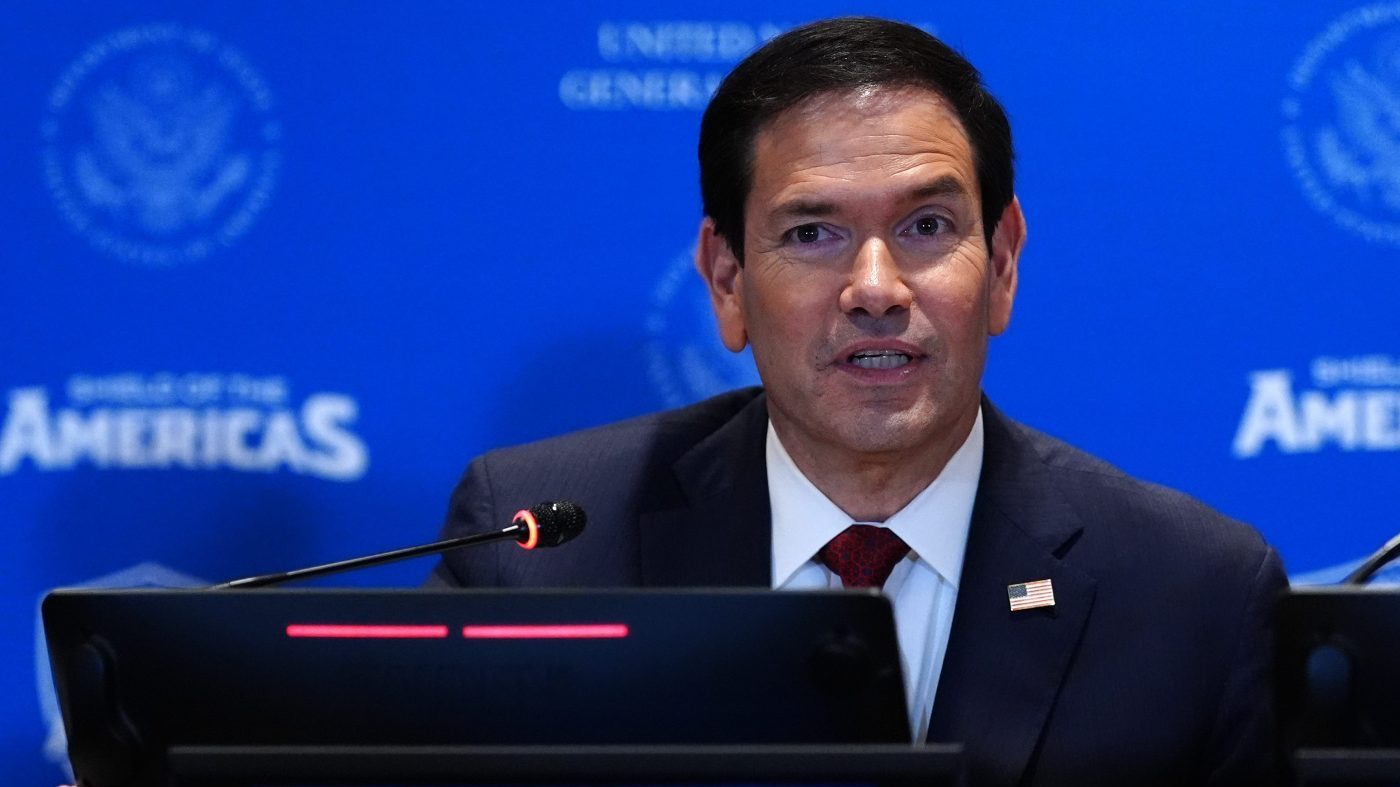
Secretary of State Marco Rubio escalated the Trump administration's rhetoric against Cuba on Monday, declaring the island nation a "failed state" and warning that its leadership will face consequences if they refuse to embrace change. Speaking with Fox News's Sean Hannity, Rubio said Cuba "has already fallen" and lacks a functioning economy, accusing its rulers of clinging to a long-dead revolution.
"The truth is Cuba has already fallen," Rubio said. "It does not have a functional economy, and it is governed by people who continue to preach about some revolution that has been dead for 20 years. It's never worked." He added that Cuba's problem is that "right now, it is a failed state in every sense of the word."
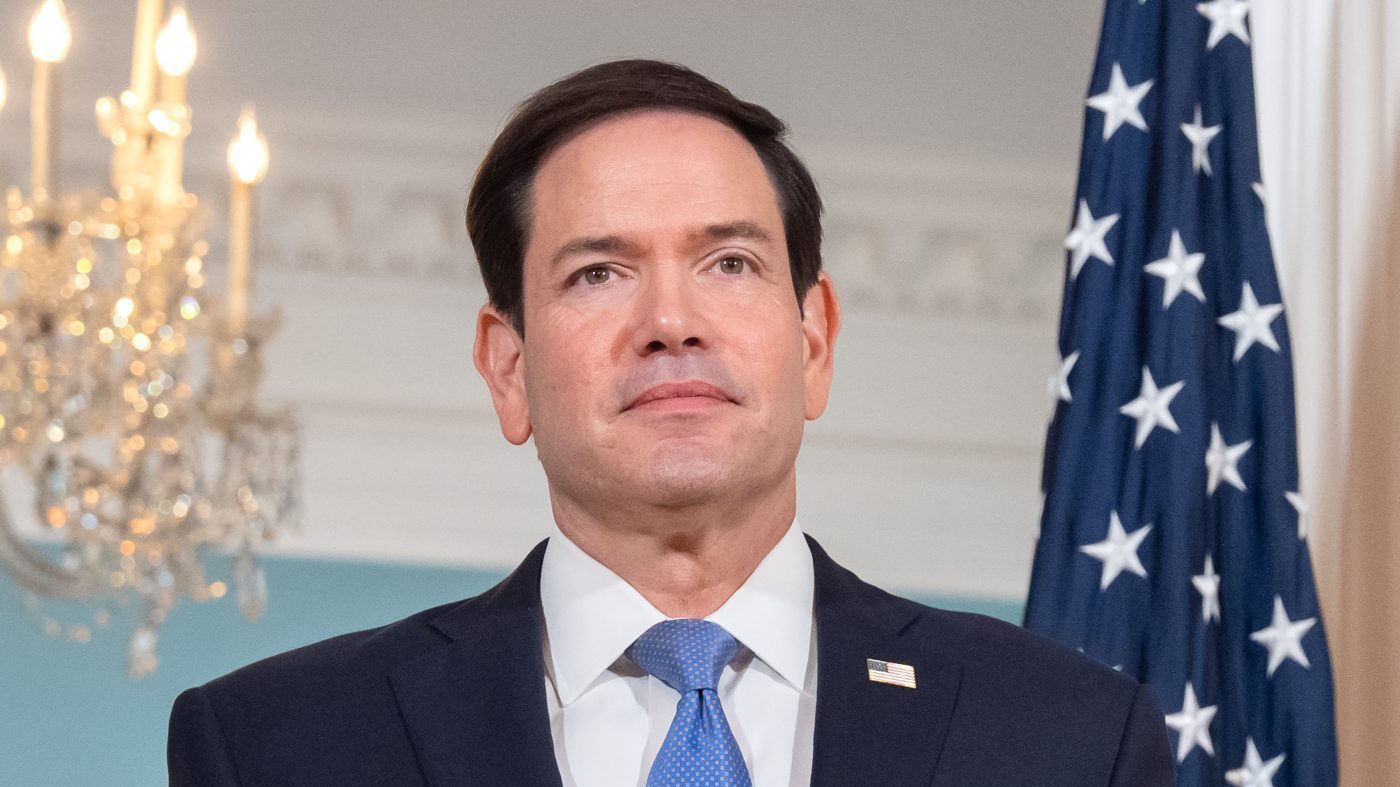
Rubio, who is of Cuban descent and has long been a vocal critic of the Castro regime, argued that while Havana's government can jail and kill its opponents, it is not a functioning administration. "It's not a functional government and it's not a functional country," he said, citing rampant corruption and theft as further evidence of collapse.
The secretary also pointed to the mass exodus of Cubans since 2021 as proof of the regime's failure. He expressed hope that some officials on the island would "open their eyes" and pursue internal reform, leading to economic and political freedom. "That will require a period of transition," Rubio said, warning that those who believe they can outlast the current U.S. administration are mistaken. "They are wrong and they will learn the lesson the hard way if they don't correct."
Rubio's comments come in the wake of President Trump's address to the U.N. General Assembly last week, in which he vowed that "freedom will be coming to Cuba" and called the island an "absolutely failed state." The Cuban delegation walked out of the chamber in protest, and Cuban officials have pushed back against what they describe as U.S. aggression.
Cuban Foreign Minister Bruno Rodríguez Parrilla fired back at Rubio, accusing him of repeating "a specific list of lies" meant to justify "collective punishment" against the Cuban people. In a post on X, Rodríguez wrote that Rubio is "the exponent of an aggressive policy that is repudiated and isolated, which is only sustained on the basis of force and intimidation, not truth or reasons."
Cuban President Miguel Díaz-Canel also condemned the U.S. stance, criticizing the U.N. for giving Trump a platform to threaten his country. "The executioners of Gaza, Iran, Cuba cannot continue threatening, bombing, and plundering, and boasting about their crimes before the international community," he wrote on X, adding, "When a genocide is normalized, doors are opened to others. This is how fascism reemerges."
The escalating war of words comes as Cuba grapples with severe fuel shortages and blackouts, which Havana attributes to the U.S. trade embargo and sanctions. The Trump administration, however, has shown no signs of easing pressure, with Rubio's UNGA remarks and his latest interview signaling a continued hardline approach.
Rubio's assertion that Cuba is a failed state aligns with the administration's broader foreign policy posture, which has also drawn scrutiny over other issues, including alleged foreign interference in the UK and defense appointments. As the administration presses its agenda, analysts are watching whether its Cuba policy will yield any concrete results or further isolate Washington in international forums.