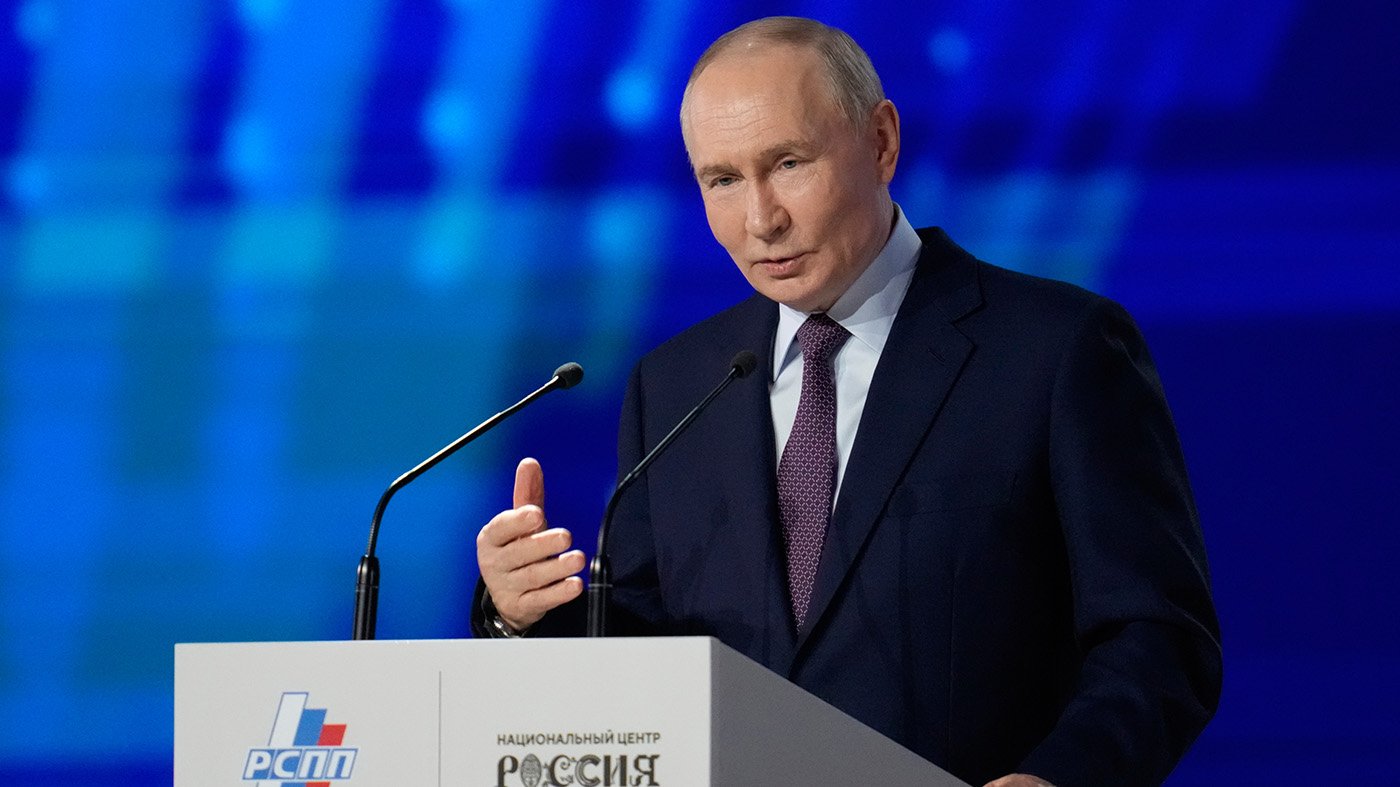
Russian President Vladimir Putin welcomed Iran’s Foreign Minister Abbas Araghchi to the Kremlin on Monday, signaling a deepening of ties between Moscow and Tehran as Iran remains locked in a conflict with the United States and Israel. The meeting underscored the two nations’ shared geopolitical interests, with Putin vowing to preserve what he called a strategic partnership.
According to Russian state news agency TASS, Putin stated that Moscow “intends to maintain” its close relationship with Iran and expressed readiness to do everything possible to bring peace to the Middle East. He noted that Iran’s people are fighting “courageously and heroically” for their sovereignty, adding that Tehran would endure “this difficult period of trials” and eventually see peace.
Putin also revealed that he had received a message from Iran’s Supreme Leader Mojtaba Khamenei, who was reportedly injured and disfigured in early U.S. and Israeli strikes targeting Iran’s leadership. Those attacks killed Khamenei’s father, former Supreme Leader Ali Khamenei. The Russian leader asked Araghchi to convey his “gratitude for this message and best wishes for his health and well-being.”
Araghchi described the relationship between Russia and Iran as a “strategic partnership at the highest level” that would continue to develop “regardless of circumstances,” TASS reported. The meeting comes as Putin faces an International Criminal Court indictment over alleged war crimes in Ukraine, a conflict that has also drawn Iran into closer alignment with Moscow.
The Iranian foreign minister’s visit to Russia came after he declined requests to meet with U.S. officials in Pakistan for talks aimed at ending the more than two-month war. Araghchi was in Islamabad last week, where he reportedly delivered Iran’s terms for ending hostilities through Pakistani intermediaries. Axios reported that Iran offered to ease its control over the Strait of Hormuz but postponed discussions about its nuclear program.
President Trump had prepared his top envoys to travel to Islamabad for a meeting with Araghchi, but the trip was canceled after the Iranian foreign minister signaled unwillingness to engage. Trump has repeatedly stated that Iran must never acquire a nuclear weapon and said he launched the war with Israel to prevent that outcome. In a post on his social media platform Truth Social, Trump implored Iran: “If they want to talk, all they have to do is call!!!”
The diplomatic standoff highlights the broader tensions in the region, as Iran’s allies, including Russia, continue to bolster their support. The meeting between Putin and Araghchi is likely to further complicate U.S. efforts to isolate Tehran, especially as the Trump administration faces scrutiny over its handling of the conflict. Trump's approval ratings have hit new lows amid the Iran conflict and rising diplomatic tensions, adding pressure on the administration to find a resolution.
Meanwhile, the deepening Russia-Iran axis has drawn attention from lawmakers in Washington. House Oversight is investigating missing scientists, with some lawmakers pointing to foreign adversaries as potential threats to U.S. national security. The alliance between Moscow and Tehran is also seen as a test of Western resolve, particularly as Armenia's strategic pivot tests Western resolve against Russian pressure.
Araghchi’s refusal to meet with U.S. officials, combined with Putin’s public show of support, suggests that Iran remains committed to its alliance with Russia as a counterbalance to American influence. The situation remains fluid, with no clear path to de-escalation in sight.