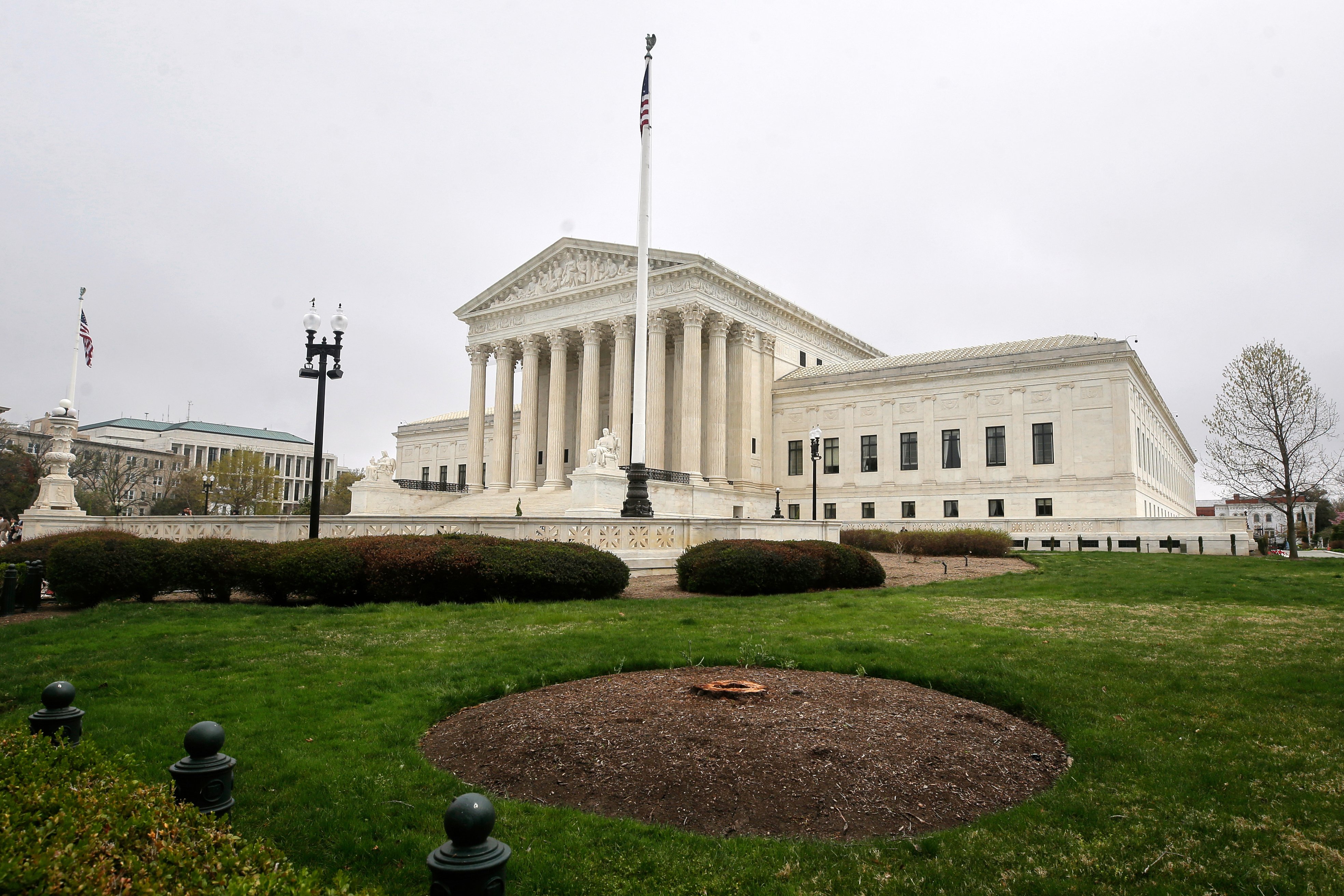
The Supreme Court is set to hear oral arguments Monday in a closely watched case that could sharply limit the ability of individuals to sue pesticide manufacturers over health claims — a dispute that has drawn a sharp battle line between the Make America Healthy Again (MAHA) movement and the Trump administration.
The high court agreed to take up the case earlier this year after Monsanto, the agrochemical giant that produces the widely used weedkiller Roundup, petitioned for review. The case centers on whether federal pesticide labeling requirements preempt state-law tort claims, a question with major implications for thousands of pending lawsuits.
Arguments are scheduled to begin at 11 a.m. EDT, and the court is expected to release an audio feed live.
Monsanto, now a subsidiary of Bayer AG, faces more than 100,000 lawsuits from plaintiffs who claim that exposure to Roundup's active ingredient, glyphosate, caused non-Hodgkin lymphoma. The company has won several trials but also suffered multibillion-dollar verdicts, including a $2.5 billion award that was later reduced.
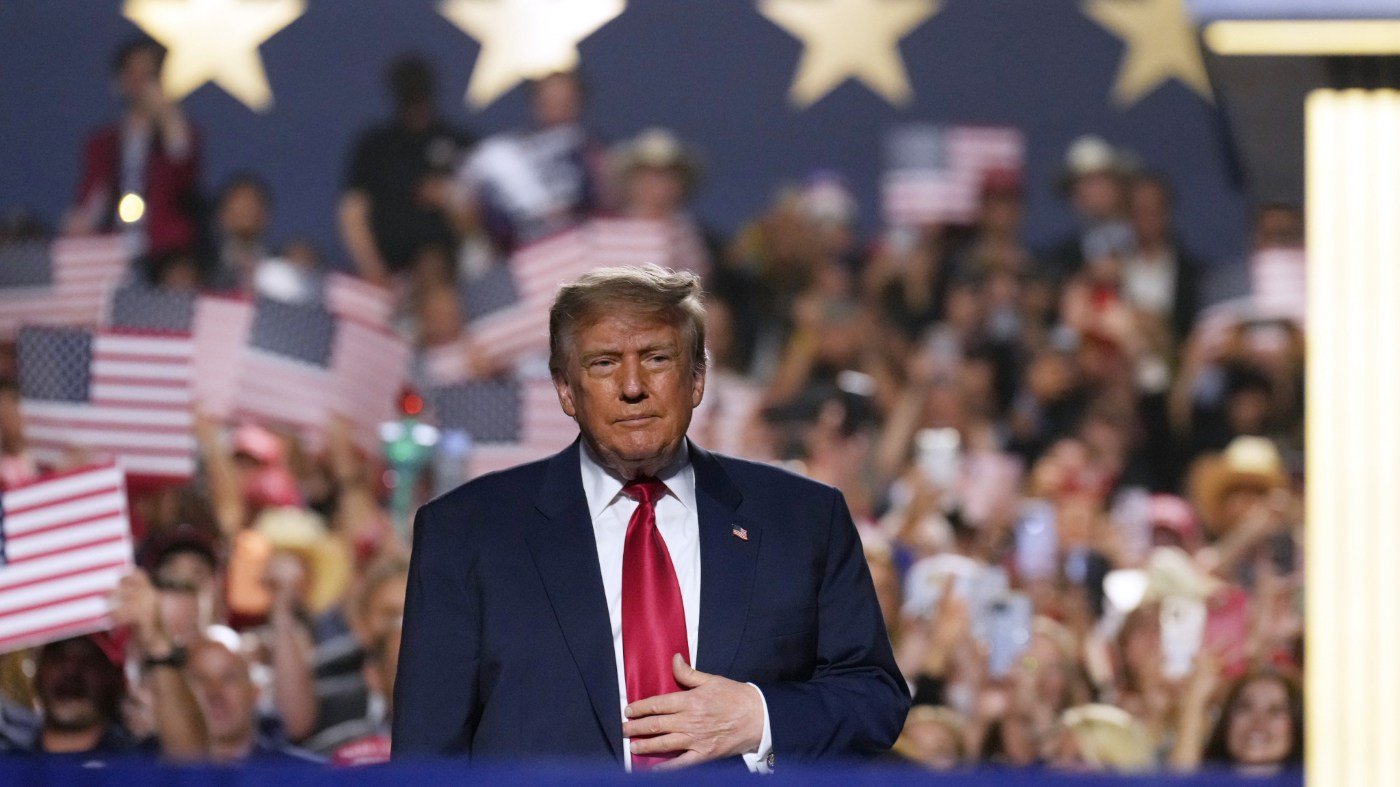
The Trump administration has weighed in on Monsanto's side, arguing that federal law should preempt state failure-to-warn claims. That position aligns with the president's broader deregulatory agenda and his administration's skepticism of what it calls meritless litigation.
But the Make America Healthy Again movement, a coalition of health advocates and conservative populists, has pushed back. MAHA supporters argue that federal preemption would effectively shield corporations from accountability and leave consumers exposed to dangerous products. The movement has gained traction among voters who distrust both corporate power and government overreach.
The case is one of several high-profile disputes the Supreme Court is weighing this term. Among them, the court is also set to examine digital dragnet warrants and the Labor Secretary's authority to fine H-2A visa violators. A recent poll found that 57% of Americans believe the court avoids rulings that Trump would defy, underscoring the political stakes.
Legal experts say the outcome could reshape the liability landscape for pesticides and other federally regulated products. If the court sides with Monsanto, it could effectively end most state-law claims against Roundup, saving the company billions in potential damages. A ruling against Monsanto would preserve the patchwork of state lawsuits that have fueled the MAHA movement's call for stricter oversight.
The case has also drawn attention from environmental and consumer groups, who argue that preemption would undermine state protections. They point to studies linking glyphosate to cancer, though the EPA has maintained that the chemical is safe when used as directed.
Both sides are closely watching the oral arguments for clues about how the justices view the balance between federal uniformity and state consumer protections. A decision is expected by late June.