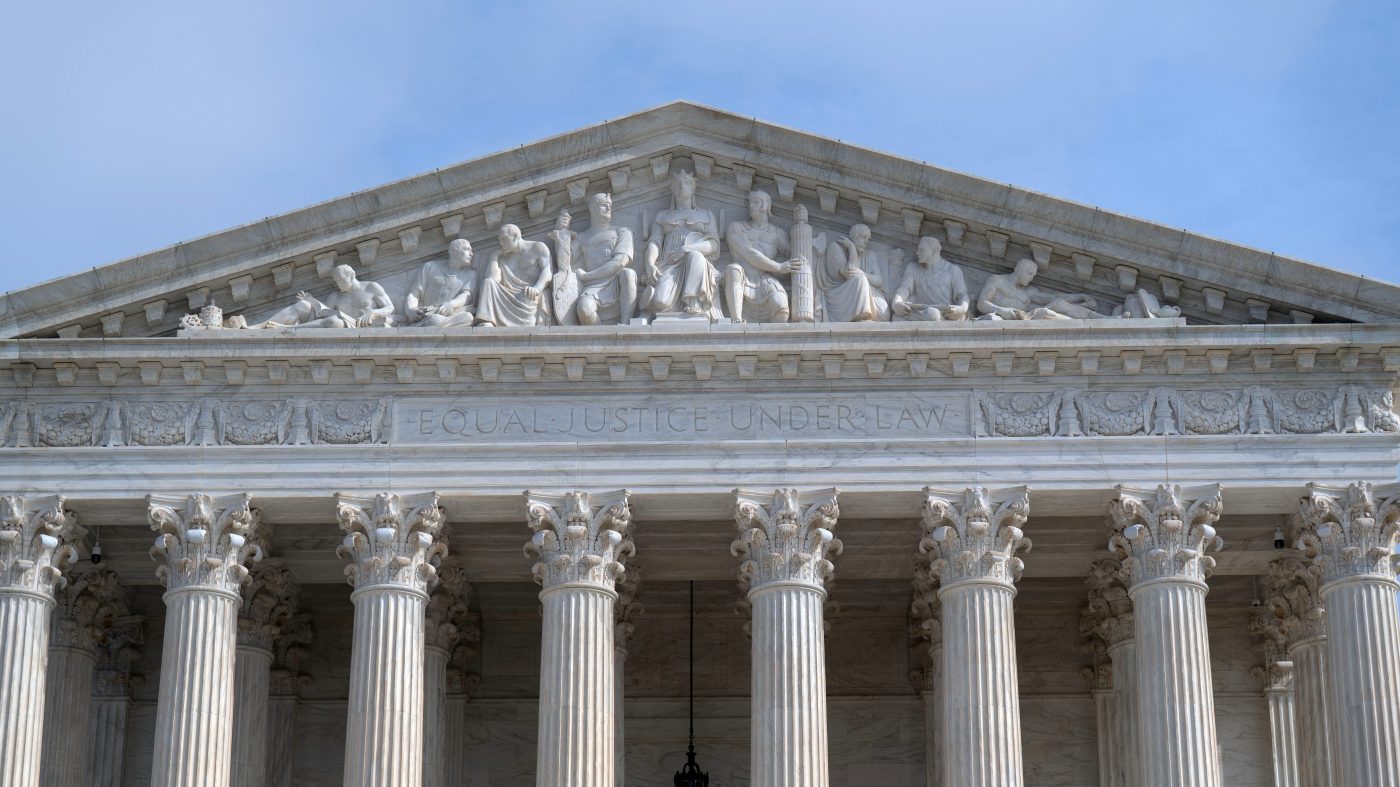
The Supreme Court is set to hear oral arguments Monday in a case that could reshape how law enforcement conducts digital-age investigations. At issue is whether geofence warrants—a technique requiring companies like Google to disclose location data from devices in a specified area and time—run afoul of the Fourth Amendment's prohibition on unreasonable searches and seizures.
The case, which has drawn intense scrutiny from civil liberties groups and privacy advocates, centers on the scope of digital surveillance in criminal probes. Geofence warrants allow police to effectively cast a wide net, sweeping up data from countless innocent bystanders in the process. Critics argue this amounts to an unconstitutional general warrant, akin to the British writs of assistance that the Founders sought to ban.
Prosecutors, however, contend the tool is a vital modern investigative method, enabling them to identify suspects who might otherwise evade capture. They maintain that the data is voluntarily shared by users with tech companies, and thus falls outside the Fourth Amendment's protections under the third-party doctrine.
The justices' decision could have far-reaching implications for privacy rights in an era where smartphones are ubiquitous. The court has previously grappled with digital privacy in cases like Carpenter v. United States, which limited warrantless access to historical cell-site location data. That 2018 ruling suggested that the third-party doctrine has limits when it comes to deeply revealing digital information.
Monday's arguments, scheduled to begin at 10 a.m. EDT, come amid broader debates over surveillance and privacy. The case has also drawn attention to the role of tech giants in facilitating government access to personal data. A ruling against geofence warrants could force law enforcement to adopt more targeted approaches, while a green light might encourage broader use of the technique.
The Supreme Court's reputation has been tested by recent politically charged rulings. A recent poll found that 57% of Americans believe the Court avoids issuing rulings that President Trump would openly defy, reflecting deep partisan divides over judicial independence. The geofence warrant case, though less overtly political, could further shape public trust in the institution.
Legal experts expect a close decision, with Justice Brett Kavanaugh likely to cast a pivotal vote. The Court's conservative majority has generally favored law enforcement in Fourth Amendment cases, but the Carpenter precedent suggests some justices are willing to adapt constitutional principles to modern technology.
The outcome will also affect ongoing legislative efforts. Some states have already moved to regulate geofence warrants, and a Supreme Court ruling could either validate or invalidate those approaches. The case also intersects with debates over data privacy in the tech sector, as companies like Google have faced pressure to resist overly broad government demands.
For now, the nation's highest court will grapple with a question that strikes at the heart of digital privacy: Can the government demand a digital dragnet without probable cause? The answer will likely define the boundaries of Fourth Amendment protection for years to come.