A majority of Americans now believe the Supreme Court is deliberately steering clear of decisions that President Trump might refuse to comply with, according to a new Marquette School of Law national survey released Thursday. The poll found that 57 percent of respondents say the high court is effectively shielding Trump from orders that would undercut his agenda—a figure unchanged from a January survey.
The sentiment is sharply polarized along party lines. Among Democrats, 79 percent agree that the Court avoids adverse Trump rulings, while 66 percent of independents share that view. In contrast, 67 percent of Republicans reject the notion entirely.
Overall public approval of the Supreme Court has dipped by 2 percentage points between January and April, the poll shows. Approval ratings remain deeply divided: 70 percent of Republicans approve of the Court, compared to just 29 percent of independents and 19 percent of Democrats. Notably, Republican approval has slipped in recent months, while support among independents and Democrats has ticked up—a shift that coincides with the Court’s ruling striking down Trump’s global tariffs.
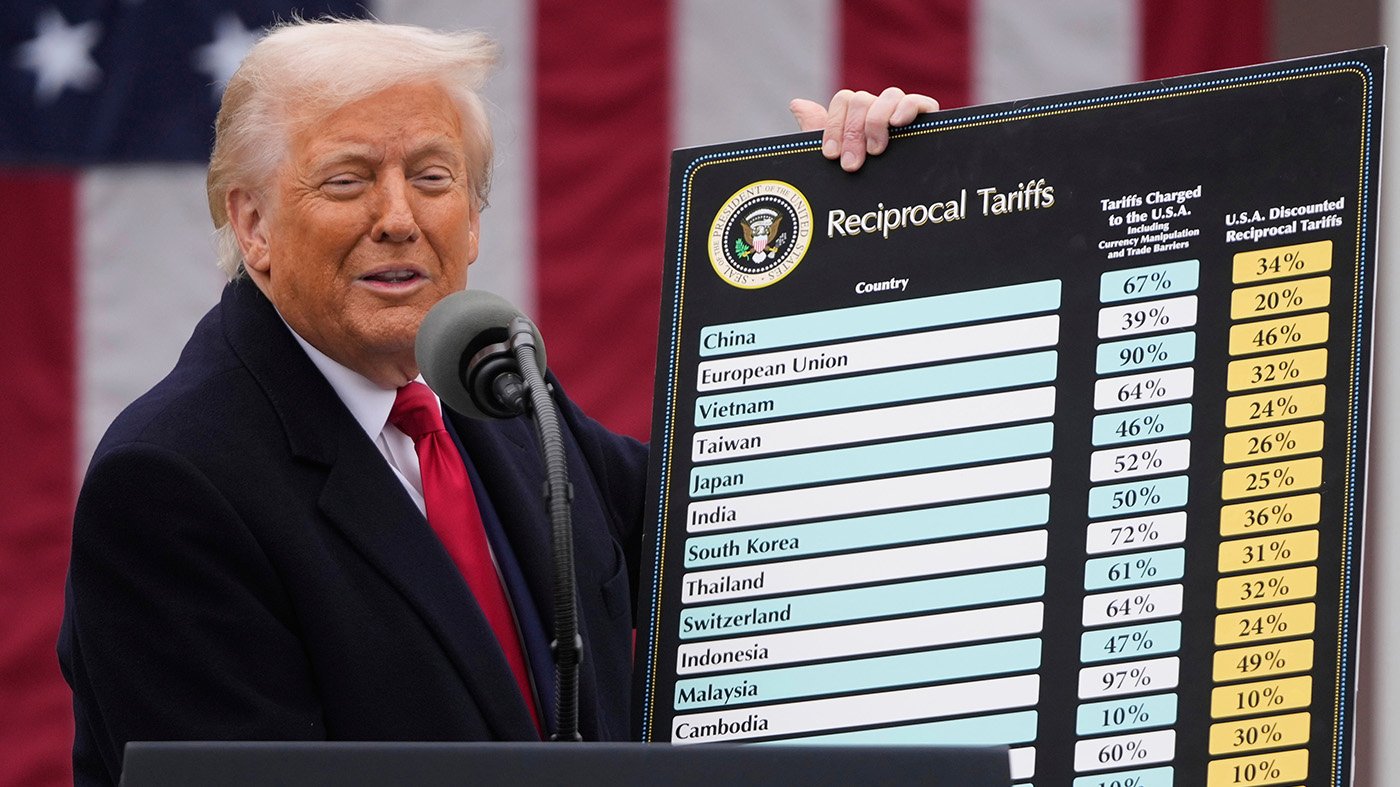
More than two-thirds of respondents—66 percent—said they approved of the decision that declared Trump’s tariffs illegal, while 33 percent opposed it. The ruling drew sharp partisan reactions: 61 percent of Republicans disagreed with it, whereas 73 percent of independents and 92 percent of Democrats backed it. The Trump administration is now working to issue refunds to companies that paid the tariffs, though some corporations have indicated they plan to pass those refunds back to consumers who faced price increases from the import and export levies.
President Trump, during a recent appearance, praised companies that choose not to file refund claims with U.S. Customs and Border Protection, the agency handling the process. “I think it’s brilliant if they don’t do that,” Trump said. “Actually, if they don’t do that, they’ve got to know me very well. I’m very honored by what you just said. If they don’t do that, I’ll remember them.”
The sweeping tariffs rattled global markets and disrupted longstanding U.S. trade relationships, hitting farmers, small-business owners, and car companies particularly hard. The economic fallout has contributed to a downturn in Trump’s overall approval rating during his first year back in office, as unexpected shifts in trade policy unsettle key constituencies.
The Marquette School of Law survey was conducted April 8-16 among 982 adults nationwide, with a margin of error of plus or minus 3.4 percentage points. The findings underscore the deepening partisan fault lines over the judiciary’s role in checking executive power, especially as Trump’s trade policies continue to face legal and political headwinds.
For context, the Supreme Court’s tariff ruling has not only reshaped trade policy but also fueled broader debates about executive authority, much like the ongoing controversy over DHS funding and Trump’s Iran posture. Meanwhile, the administration’s approach to corporate refunds echoes themes in the GOP revolt against the Spirit Airlines bailout, where loyalty and memory play a prominent role in presidential rhetoric.