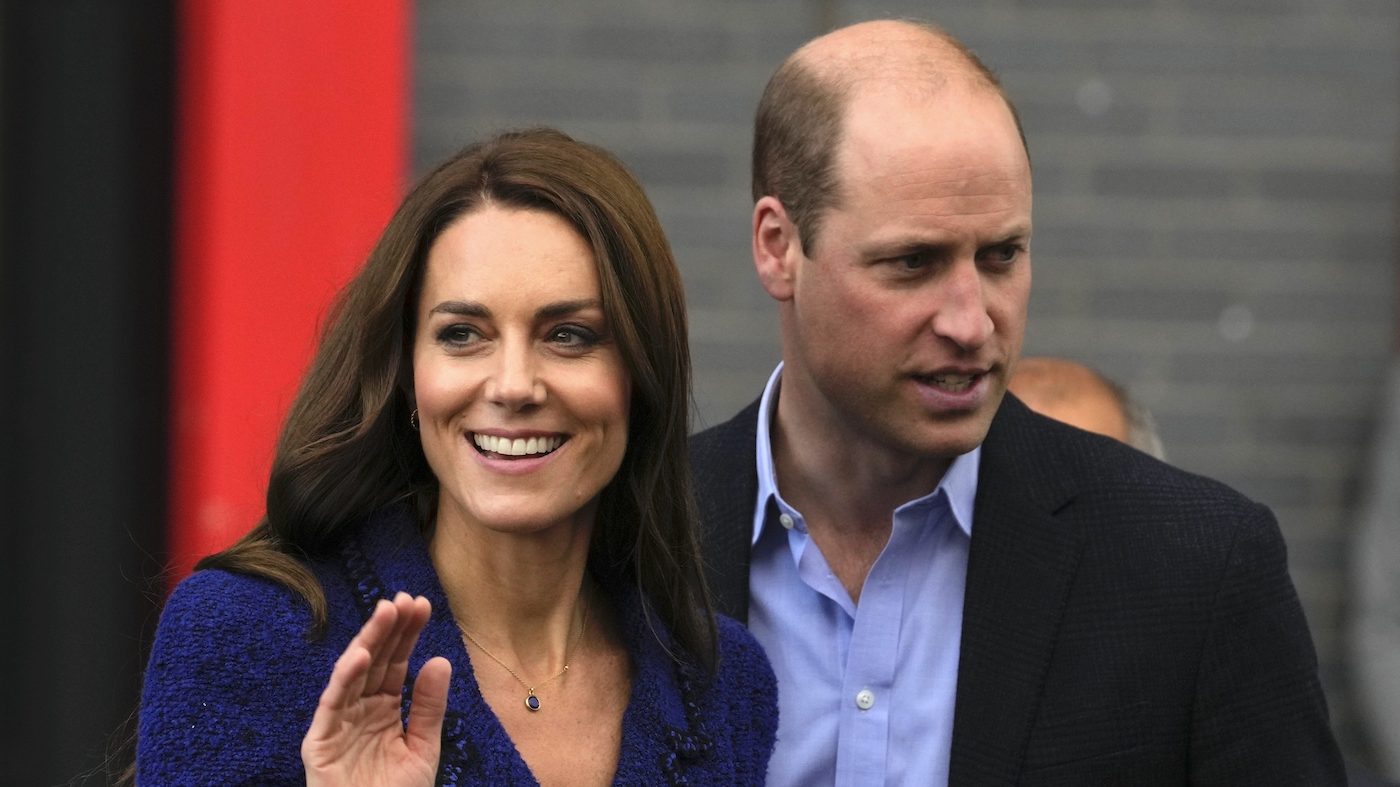
Prince William is moving to sell a 20 percent stake in the Duchy of Cornwall, a move that would inject roughly $670 million into eco-friendly infrastructure and housing initiatives, according to reports from The Times. The sale marks a significant shift in how the royal family manages its centuries-old estates, as the heir to the throne prioritizes environmental and social investments over traditional income streams.
Details of the Sale
The Duchy of Cornwall, established in 1337 by King Edward III to provide income for the monarch's eldest son, is valued at approximately $1.3 billion. William, who assumed control of the estate in 2022 after King Charles III ascended the throne, currently earns about $31 million annually from the duchy to cover private expenses for his family. The planned sale would reduce his personal income but free up capital for large-scale projects.
Proceeds from the sale will be directed toward building thousands of new homes across the United Kingdom and funding renewable energy and sustainable development initiatives. The Times reported that the prince aims to use the funds to accelerate the transition to green energy and address housing shortages, aligning with his broader environmental advocacy through initiatives like the Earthshot Prize.
Political and Financial Context
The decision comes amid growing scrutiny of royal finances and the monarchy's role in a cost-of-living crisis. Critics have long argued that the Duchy of Cornwall, which operates as a private estate, benefits from tax exemptions and lacks transparency. By selling a portion of the estate, William may be seeking to preempt criticism and demonstrate a commitment to public good, though the move also reduces his reliance on a feudal-era revenue source.
This sale is not the first time the royal family has leveraged its assets for environmental causes. King Charles has been a vocal advocate for climate action, and William's Earthshot Prize has funded green innovations worldwide. The prince's plan echoes a broader trend among wealthy landowners and institutions divesting from traditional holdings to finance sustainability projects, a shift that has gained momentum as federal judges block Trump-era rules that slowed renewable energy projects.
Reactions and Implications
Environmental groups have cautiously welcomed the announcement, though some question whether the sale will truly benefit the public or merely rebrand the monarchy's image. The Duchy of Cornwall's portfolio includes farmland, forests, and commercial properties, and selling a 20 percent stake could attract institutional investors or sovereign wealth funds. The transaction is expected to close within the next year, pending regulatory approvals.
The sale also highlights the evolving role of the monarchy in a modern economy. As the IMF projects a global growth slowdown and inflation spike from the Iran war fallout, the royal family's financial maneuvers may face increased scrutiny. William's move could set a precedent for how the crown balances tradition with progressive policy goals, potentially influencing other royal estates worldwide.
For now, the prince's plan underscores a shift toward using royal wealth to address pressing societal challenges, from housing shortages to climate change. Whether it succeeds in reshaping public perception or merely tweaks the monarchy's financial structure remains to be seen.