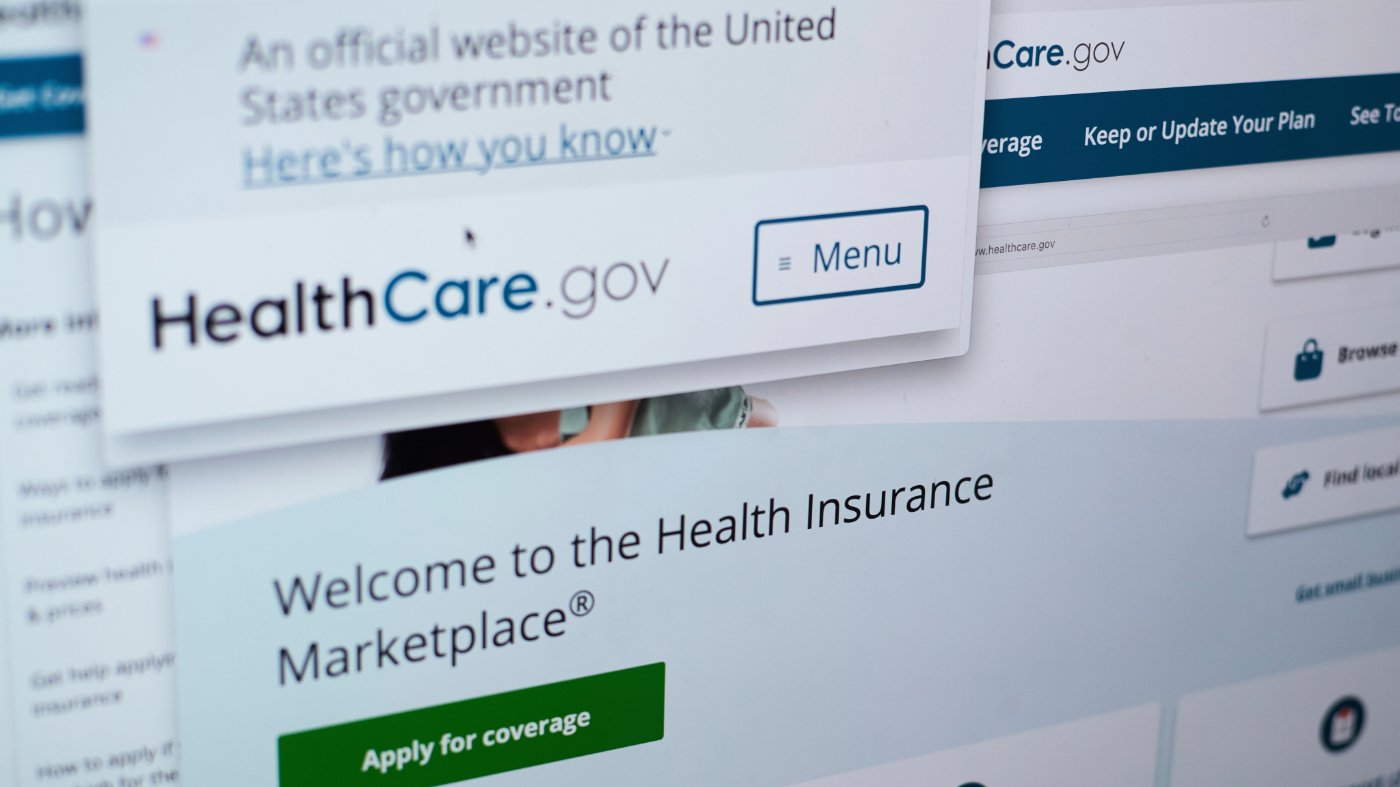
For years, policymakers paid lip service to the idea that health coverage was a cornerstone of economic stability. That era is fading fast, as the Affordable Care Act’s individual market unravels under the weight of soaring premiums and administrative hurdles. New data reveals a grim picture: enrollment is plummeting, insurers are fleeing, and the administration’s insistence that fraud is to blame doesn’t hold up to scrutiny.
The Centers for Medicare and Medicaid Services reported a 5 percent drop in open enrollment for 2026, with 1.2 million fewer people signed up compared to the prior year. But the real alarm is in new enrollment, which fell 13 percent. Even more troubling, many returning enrollees are disappearing. Actuarial firm Wakely found that only 86 percent of 2026 enrollees paid their first premium, a figure masked by a 90-day grace period that creates a slow-motion exodus as non-payers are eventually dropped.

Pennsylvania’s marketplace identified higher costs as the leading reason for dropping coverage. Other state-based marketplaces report a shift to plans with higher out-of-pocket costs and cancellations due to non-payment. National forecasts predict the individual market could shrink by as much as 26 percent. This isn’t just a smaller market—it’s a sicker one. Estimates suggest morbidity will rise by 6.5 percent, as those who need care most cling to coverage while healthier individuals exit.
Insurers are taking note. Cigna and a growing list of regional plans have announced exits. Rate filings for 2027 already show double-digit premium hikes, with proposed increases exceeding 20 percent in New York and Washington. The number of counties with only one insurer jumped from 72 in 2025 to 145 in 2026, and with recent exits, that number is set to exceed 200 in 2027. As Senate Banking Panel Probes Affordability Crisis as Midterms Near, the market’s fragility is becoming a political flashpoint.
The administration, however, is spinning this as a victory. Health and Human Services Secretary Robert F. Kennedy Jr. told Congress in April that those leaving were “never entitled to coverage.” CMS acknowledged a “range of factors” but highlighted anti-fraud efforts. Yet this narrative ignores the Biden-era rules that already cracked down on broker misconduct. By treating every departing enrollee as a would-be fraudster, the administration avoids responsibility for the real driver: affordability.
Basic economics explains the trend. When costs rise, demand falls—and not randomly. Those who drop coverage are often healthier, leaving a riskier pool that spooks insurers. The result is a death spiral of higher premiums and fewer options. Millions are becoming uninsured or shifting to plans with steep out-of-pocket costs, fueling medical debt and uncompensated care. GOP Doubles Down on Anti-Fraud Message as Midterm Strategy, but the data suggests voters are more concerned with rising costs than fraud.
The administration wants credit for a shrinking market, but only half the story holds: the decline is real, and the consequences—worse health outcomes, more financial strain—are mounting. As Poll: Majority of Americans Now Doubt Anyone Can Achieve the American Dream, the erosion of affordable health coverage only deepens that pessimism.