Prediction market companies are executing a coordinated public relations offensive in the nation's capital, deploying subway advertisements, building-side banners, and exclusive pop-up events to reshape their political image. This aggressive lobbying push comes as bipartisan lawmakers intensify scrutiny over platforms allowing wagers on geopolitical events, raising alarms about potential insider trading and markets tied to conflict and mortality.
Advertising Blitz Targets Core Criticisms
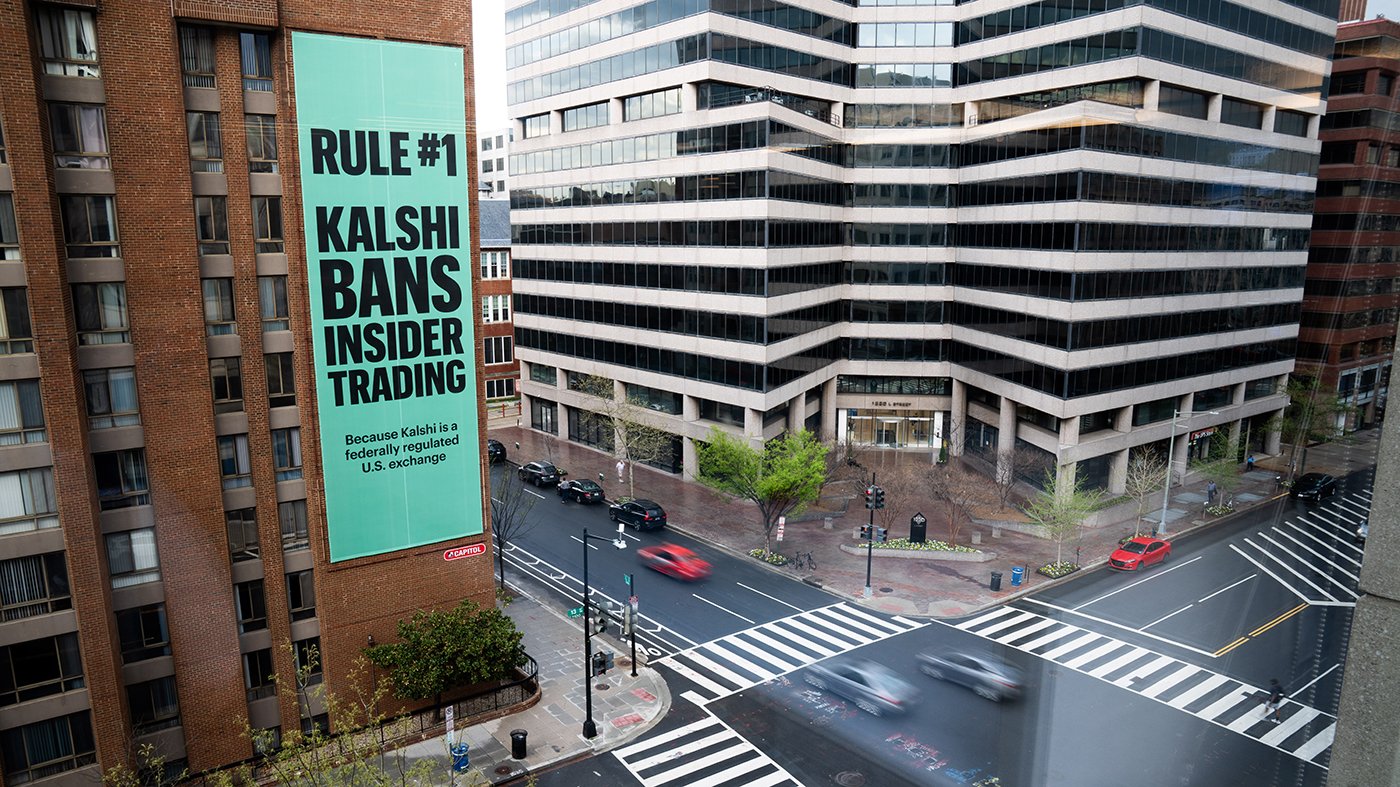
Kalshi launched a conspicuous advertising campaign across Washington D.C. last week, placing bold messages on Metro cars, bus shelters, and building exteriors. The ads, featuring stark black text on the company's signature green background, directly address mounting congressional concerns by declaring that Kalshi prohibits insider trading, bans so-called 'death markets,' and operates under U.S. legal frameworks. Company spokesperson Elisabeth Diana stated the campaign aims to distinguish Kalshi from competitors, emphasizing that "not all prediction markets are the same" and highlighting what the firm describes as key regulatory distinctions.

Meanwhile, rival platform Polymarket generated online attention with a late March pop-up bar in Washington called "The Situation Room." The weekend event, which experienced technical difficulties, attempted to immerse attendees in the prediction market experience through multiple television displays showing news feeds, flight radars, and live betting odds. Neal Kumar, Polymarket's chief legal officer, characterized the event as the company's "coming out party in D.C."
Legislative Backlash Intensifies
These normalization efforts confront escalating congressional opposition. Multiple legislative proposals, primarily from Democratic lawmakers, seek to prohibit insider trading on prediction platforms and ban markets that "incentivize physical injury or death." Some bills go further, aiming to block wagers on elections, government actions, military operations, and sports outcomes. The regulatory debate has exposed divisions within the Republican party, with competing coalitions advocating for either state or federal oversight of the emerging industry.
Recent controversies have fueled the legislative momentum. Lawmakers have pointed to well-timed bets on the Trump administration's actions regarding Venezuelan President Nicolás Maduro and airstrikes on Iran, which raised insider trading suspicions. Representative Seth Moulton (D-Mass.), who has banned his staff from trading on prediction markets, criticized Polymarket for initially accepting wagers on when a U.S. pilot shot down over Iran would be found. The platform removed that market, stating it didn't meet company standards and launching an internal investigation.
In response to mounting pressure, both Kalshi and Polymarket announced enhanced insider trading restrictions in late March. Kalshi introduced "new technological guardrails" to block politicians, athletes, and other relevant individuals from trading in specific markets. Polymarket unveiled "updated market integrity rules" explicitly prohibiting trading based on stolen confidential information or illegal tips. However, lawmakers remain skeptical, with Representative Alexandria Ocasio-Cortez (D-N.Y.) immediately dismissing these measures as "absolutely not enough."
Strategic Communication or Backfire?
Cayce Myers, a public relations professor at Virginia Tech, described the advertising and events as a "normalization effort" by prediction markets attempting to demystify their operations amid regulatory uncertainty. "Right now, it's very opaque in some people's minds, rife with a lot of regulatory issues or potential issues that need to be regulated," Myers told The Hill. He noted that unlike typical consumer-focused campaigns, Kalshi's effort appears designed to "influence perceptions amongst influential people," including lawmakers and journalists.
Yet this strategy carries significant risk. Myers cautioned that the explicit advertising might produce unintended consequences, potentially hardening opposition rather than easing concerns. "It may have the opposite effect, just depending on the audience," he observed. The campaign has already faced pushback on social media platform X, with some users suggesting the advertisements raise more questions than they answer about prediction market practices.
The companies' Washington offensive unfolds against a backdrop of broader legal challenges. Kalshi is engaged in a significant legal confrontation with multiple states over regulatory authority, while a pending leadership shift at the Department of Justice could influence federal enforcement approaches. Meanwhile, prediction markets continue gaining mainstream visibility through partnerships like Fox Corporation's agreement to feature Kalshi data across its news networks.
As geopolitical tensions influence market dynamics—evidenced by how financial markets reacted sharply to recent Iran ceasefire developments—prediction platforms face increasing scrutiny over their role in quantifying uncertainty about sensitive events. Whether their Washington charm offensive can mitigate regulatory threats remains uncertain, with lawmakers continuing to question whether these platforms can be effectively governed within existing legal frameworks or require entirely new regulatory regimes.