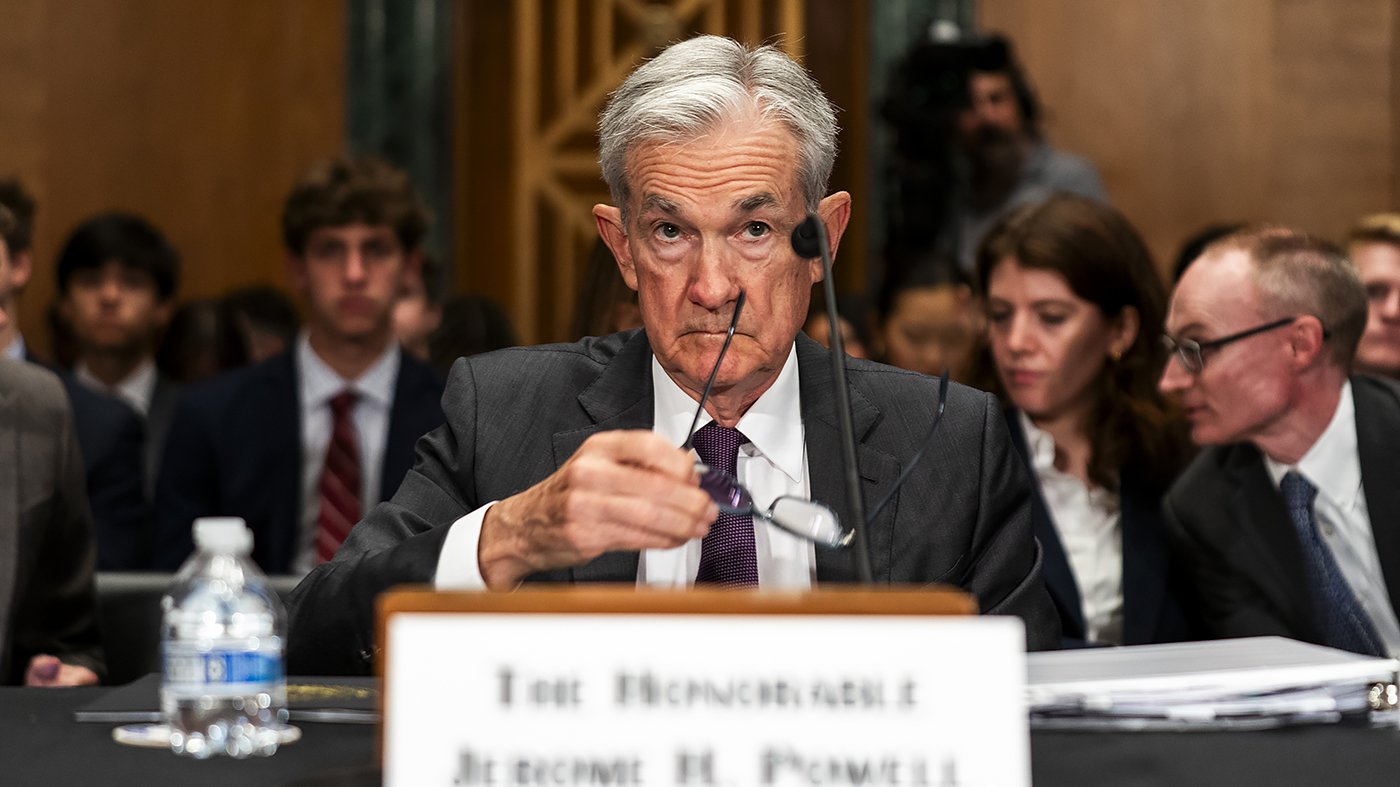
Jerome Powell’s tenure as Federal Reserve chair concluded on Friday, but his confrontation with President Donald Trump is far from settled. Powell’s second four-year term ended two days after the Senate confirmed Kevin Warsh as the next Fed chief. The handover follows eight years of political and economic turmoil, with Powell pledging to keep a low profile even as he remains on the central bank’s board.
Powell’s decision to stay on the Fed board, where his 14-year term runs until January 2028, breaks with tradition. Most former chairs exit entirely. But Powell argues the Trump administration’s assault on the Fed’s independence leaves him no choice. “I had long planned to be retiring,” Powell said at his final press conference. “The things that have happened in the last three months have, I think, left me with no choice but to stay until I see them through.”

Trump’s Pressure Campaign Backfires
As Trump’s first year back in office wound down, the president appeared ready to move past his feud with Powell by nominating Warsh. Unlike Trump’s earlier Fed picks, Warsh won unanimous Republican support. The early resignation of board member Adriana Kugler gave Trump added flexibility to reshape the Fed. But those plans unraveled when Trump opened a legal battle with Powell and the central bank.
Treasury Secretary Scott Bessent and Senate Banking Committee Chair Tim Scott criticized Powell for staying, citing decades of precedent. But Ian Katz, managing partner at Capital Alpha, noted the other side: “The Trump administration’s attacks on Fed independence, including an attempt to fire Governor Lisa Cook and the DOJ investigation of Powell, were also unprecedented. Many believe that Bessent’s and Scott’s comments in fact validate Powell’s decision to stick around.”
In December, Powell revealed the Justice Department was criminally investigating his handling of renovations to the Fed’s Washington headquarters and his Senate testimony on the matter. Senator Thom Tillis (R-N.C.) then blocked all Trump Fed nominees until the probe concluded. Tillis lifted his blockade after U.S. Attorney Jeanine Pirro referred the investigation to the Fed’s inspector general. Powell said he was “encouraged” but not satisfied. “I worry that these attacks are battering the institution,” he said, “putting at risk the thing that really matters to the public, which is the ability to conduct monetary policy without taking into consideration political factors.” He added he would leave only when “this investigation is well and truly over, with transparency and finality.”
How Powell’s Presence Shapes the Fed
Powell has pledged to keep a “low profile” and not act as a “shadow chair” challenging Warsh. If he follows through, he would return to being a moderate voice on interest rates within the fractured Federal Open Market Committee, which is split over how to respond to Iran-driven inflation. But his stay could still have major implications due to the Fed board’s staggered 14-year terms.
If Powell had left entirely, Trump could have nominated Warsh to fill the remainder of Powell’s board term while keeping another seat open. Instead, Trump had to nominate Warsh to the seat temporarily held by former White House chief economist Stephen Miran, whom the president had tapped to replace Kugler. Miran, speaking on FOX Business, said, “Chairman Powell has been pretty clear, saying that he’s going to stay on as Governor Powell after his term as chairman ends. … I think it could be helpful for Chairman Powell to help with the transition, but I think it’s important to make sure that it’s a transition period and that there’s nothing sort of more nefarious going on.”
The standoff echoes broader tensions in Washington. Former FBI Director James Comey recently warned that Trump’s behavior signals a decline since his first term, as reported by The World Signal. Meanwhile, the Pentagon’s tech chief testified on military digital strategy amid an AI standoff, highlighting the administration’s push for control across agencies.