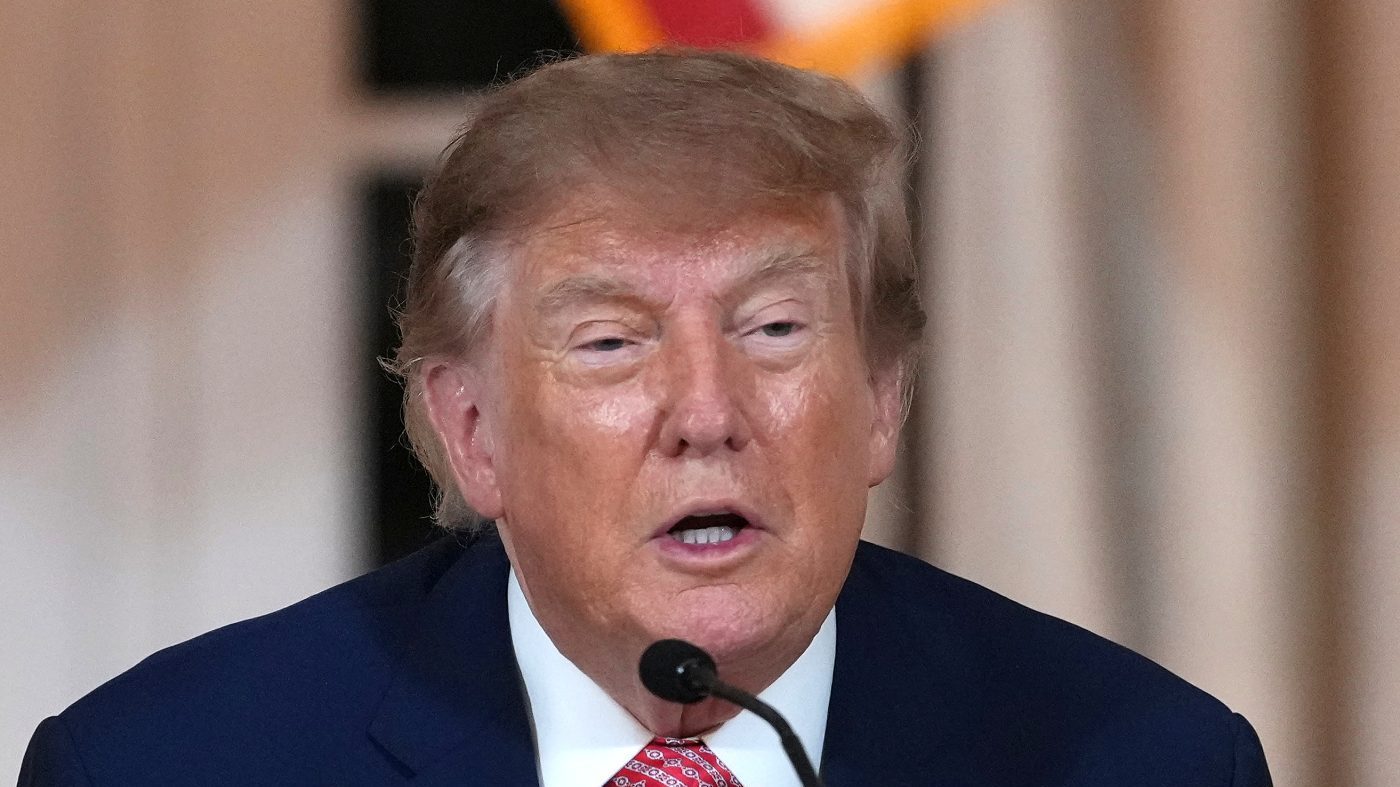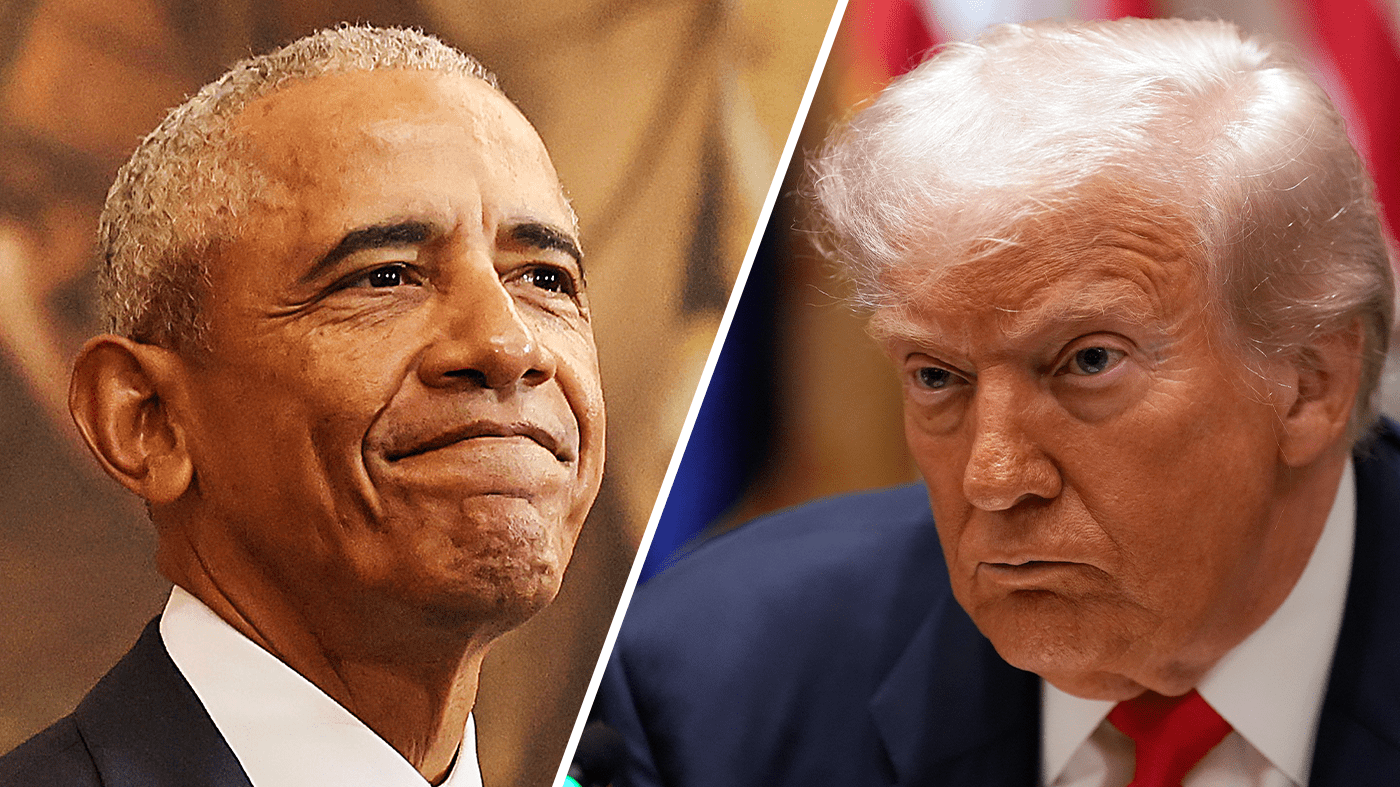
In recent election cycles, voters have increasingly gravitated toward candidates who seem to emerge from outside the political establishment. In 2008, Barack Obama positioned himself as the fresh face challenging the Clinton machine. In 2016, Donald Trump captured Republican attention from the moment he descended his Trump Tower escalator, while Bernie Sanders energized the Democratic left. By 2020, Pete Buttigieg, a small-town mayor with a difficult-to-pronounce name and a military background, filled the outsider role.
Now, as the 2028 presidential race begins to take shape, both parties—particularly Democrats—are hunting for the next anti-establishment figure. But the definition of an “outsider” remains fluid. Historically, it could mean someone outside Washington, a political novice, a little-known congressman, or anyone channeling voter frustration with the current system.
“They are tired of the partisanship. They are tired of being mad at friends and family over politics. They are tired of politicians who don’t address the issues that they stress over every day,” Mark Cuban, the billionaire businessman frequently floated as a potential outsider candidate, told The Hill. Cuban said voters “want to elect someone who will reduce their stress.” He added, “Politicians, particularly those who have been at it for a while, do the same shit over and over and over. You know, the definition of insanity.”
Political observers note that the outsider label has shifted. Once reserved for figures like Trump or former New York City Mayor Michael Bloomberg, it now encompasses a broader set of politicians. “It’s someone who is not part of building the system of where we are today, where the government is today, where our policies are today,” said Susan Del Percio, a longtime Republican strategist who does not support Trump. “It’s someone who says ‘We need to change the system and I don’t have all the answers but I know what’s happening now is wrong.’” She added, “It’s someone who can successfully critique the status quo.”
Recent down-ballot races illustrate this trend. In Maine, oyster farmer Graham Platner, a Democratic Senate candidate, has gained traction by appearing far removed from politics, forcing longtime political insider Janet Mills out of the race. In Texas, state Rep. James Talarico, relatively unknown, defeated Rep. Jasmine Crockett in the Democratic primary despite endorsements from former Vice President Kamala Harris and other prominent figures.
At the presidential level, the calculus is different. Potential candidates need a robust operation to launch a national campaign. Names being floated include sports broadcaster Stephen A. Smith and Cuban, though Cuban told The Hill on Thursday he would not run. The New York Times recently listed Rep. Alexandria Ocasio-Cortez (D-N.Y.) as an outsider, along with “exiles from Trumpville” on the Republican side, such as conservative media star Tucker Carlson and former Rep. Marjorie Taylor Greene (R-Ga.), both of whom have broken with President Trump.
Democratic strategist Anthony Coley defines an outsider as someone “not from the Washington industrial complex [and] doesn’t speak like a senator seeking cloture.” He said, “Outside of the D.C. bubble is how I think of it,” adding that “voters are angry about the system and the people who run it.” Coley argued that the 2028 Democratic nominee must be “someone Washington didn’t create and can’t control: a strong, plain-spoken voice with Clinton’s political instincts, Obama’s ability to inspire, Sanders’ economic message and a proven record of winning outside deep-blue America.” He pointed to southern Democrats like Kentucky Gov. Andy Beshear, who maintains high approval in a red state, and former New Orleans Mayor Mitch Landrieu as worthy prospects.
Del Percio cautioned that governors face a paradox: running a state successfully requires being “the ultimate insider.” She noted that Buttigieg’s 2020 campaign worked because of his “midwest sensibility.” She also suggested Rep. Ro Khanna (D-Calif.) could fit the outsider mold because “most people have never heard of him,” despite his role in releasing the Jeffrey Epstein files. “He hasn’t been defined nationally,” she said.
An outsider could also emerge on the Republican side, depending on Trump’s standing at the end of his term and if his poll numbers are “as bad as we think they are,” Del Percio added. For now, potential candidates are staying quiet. “There’s no reason to put your head up unless you absolutely have to,” she said.
As the 2028 race approaches, the search for the next political disruptor continues—a figure who can capture the frustration of a polarized electorate and offer something genuinely new. Whether that person comes from a statehouse, a boardroom, or a broadcast booth remains to be seen.