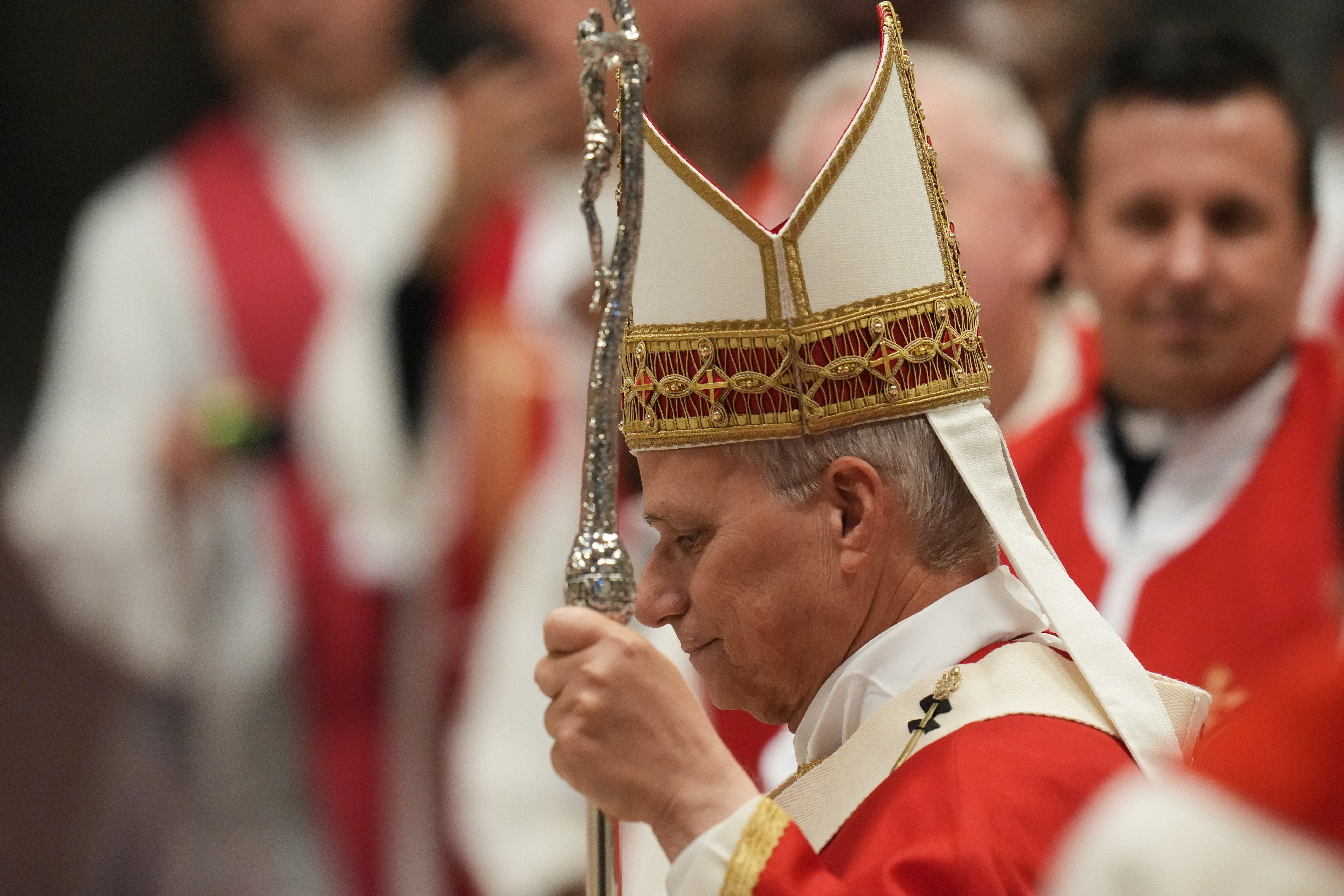
Pope Leo XIV has injected a much-needed human perspective into the heated debate over artificial intelligence, urging policymakers and business leaders to consider the people behind the technology. His recent comments, made during a flight back to Rome after a visit to France, directly challenge the notion that AI's potential benefits should overshadow its risks.
Responding to concerns raised by AI experts about the technology's dangers, the pope insisted these warnings must be taken seriously, dismissing any suggestion that they are merely “fake news.” His remarks build on his earlier address in Paris, where he cautioned that technological development must remain at the service of the human person, warning that our relationships and sense of self can be impoverished by an overemphasis on efficiency and productivity.
This is a message that resonates beyond religious circles. As a political journalist, I find it striking because it cuts through the usual partisan lines. The pope is not calling for a rejection of progress; he is asking us to define progress correctly. That means asking not just what AI can do, but what it does to us as individuals and as a society.
Consider the practical implications. If AI can handle more of our thinking, what happens to our own critical faculties? If a lonely person turns to a 24/7 chatbot instead of a friend, what happens to human connection? And if machines take over more work, what gives people a sense of purpose and dignity? These are not arguments against AI; they are arguments for remembering why we pursue progress in the first place.
Conservatives, in particular, should take note. The pope's emphasis on human dignity aligns with a traditional conservative understanding that people are more than economic units. Markets are powerful tools for innovation and exchange, but they cannot answer every question about what makes a society worth living in. Neither can technology. We can build machines that make decisions faster than humans, but that doesn't mean they should make every decision. We can automate more work, but we will eventually have to confront the question: if a machine can do the work, what gives the human being dignity?
The pope's approach offers a different way to think about technological change: put humanity first. This principle should not belong to the left or the right; it should be a starting point for anyone making decisions about the future. Before Washington asks what government can do with AI, it should ask what AI is doing to the people government serves. Before corporations measure worker productivity gains, they should consider what happens to workers when productivity becomes their only measure of worth.
These concerns are not Luddite fears. They are expressions of confidence in humanity. I want my children to inherit a country where technology expands opportunities, not diminishes them. But I also want them to know that their worth isn't determined by how efficient they are. Some of the most important things we do are inefficient: raising a child, caring for an elderly parent, sitting with a friend in pain, or simply listening. These are the things that make us human.
Pope Leo's message is a timely reminder that technology and markets should serve humanity, not the other way around. His call for a human-centered approach to AI is a challenge to political leaders everywhere, including those in Washington. As the debate over AI policy heats up, his words deserve attention. He isn't asking us to reject progress; he is asking us to ensure that progress serves the human person. That is a question no AI can answer.