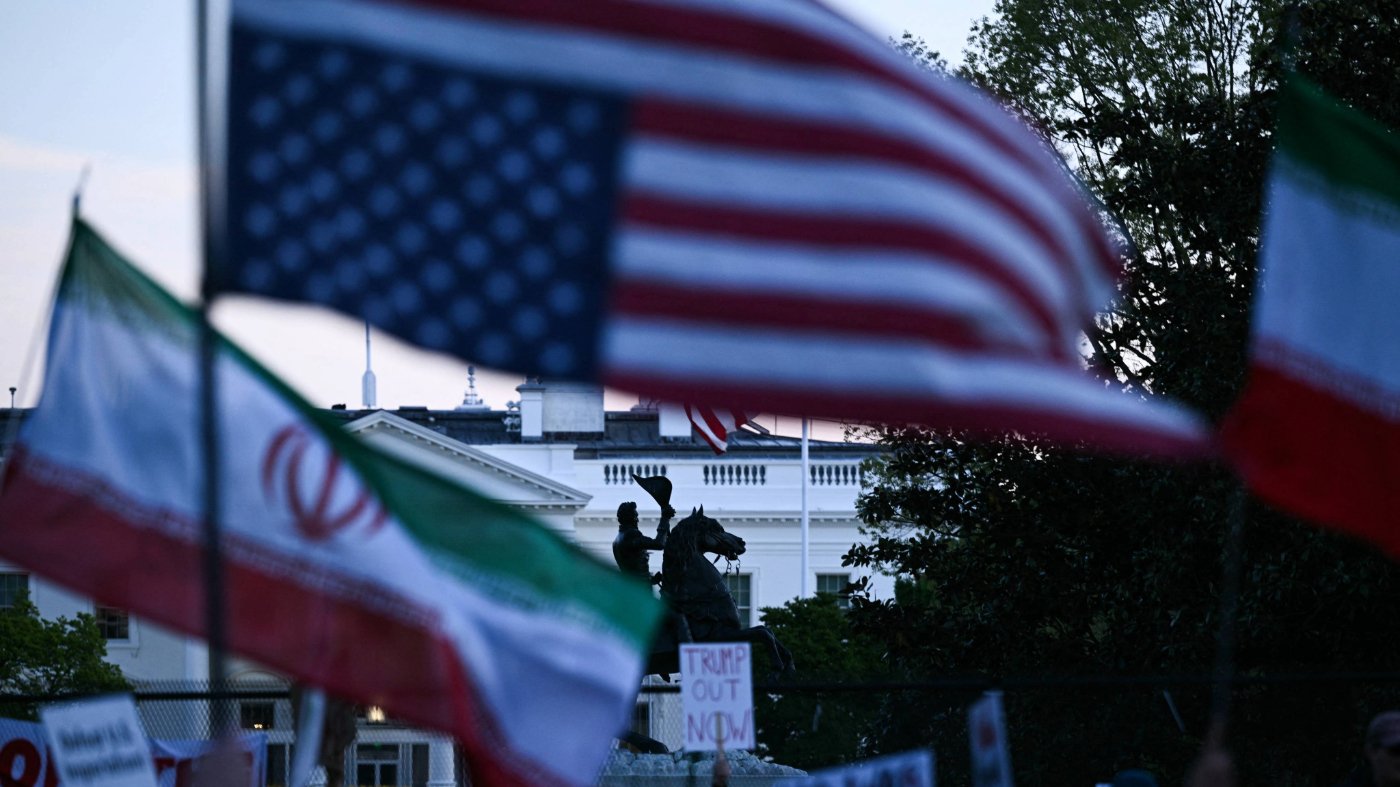
A tenuous cessation of hostilities between the United States, Israel, and Iran has temporarily halted open conflict in the Middle East. However, the political repercussions for President Trump and his Republican allies in Congress are intensifying rather than receding.
Polling Reveals Deepening Disapproval
Recent surveys indicate a clear and growing public rejection of the military engagement. A Cygnal poll finds the nation almost evenly split on supporting action against Iran, with opposition having increased by seven points since March. More broadly, an Economist-YouGov poll shows only 34% of registered voters approving of the war, while 53% disapprove. This negative trend presents a severe political problem for an administration that has consistently failed to articulate a clear, consistent objective for the conflict.
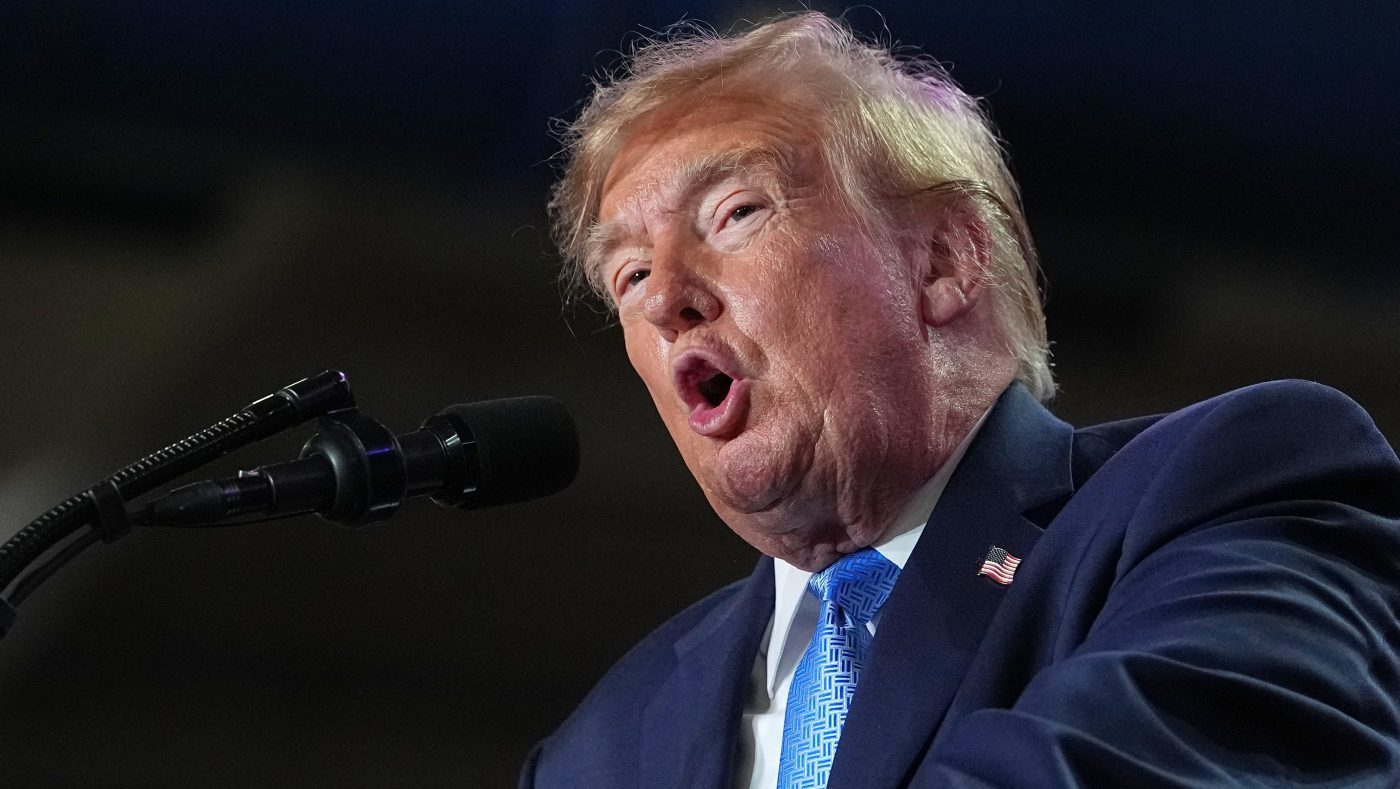
The core of the administration's challenge is a profound communication failure. According to the polling, 57% of respondents have little to no understanding of what the President's goals in the war were. The White House never effectively defined the mission's purpose, what constituted success, or the expected duration and economic toll. This lack of a coherent strategic narrative, compounded by Trump's own contradictory statements on Iran's nuclear program and regime change, has left the public unwilling to tolerate the costs.
Economic and Electoral Fallout
The economic consequences of the conflict promise to extend well beyond the ceasefire. Iran retains significant leverage over the Strait of Hormuz, a chokepoint for roughly 20% of the world's oil supply. Analysts warn that Americans could face gasoline prices averaging five dollars per gallon this summer, with even higher costs in states like California. Should these predictions materialize, the political damage for the GOP could be severe.
An unpopular president—Trump's approval rating sits 15 points underwater, according to RealClearPolitics—presiding over oil prices above $100 per barrel is unlikely to retain a razor-thin congressional majority. Democrats are poised to weaponize these economic pains in their campaign advertisements. Furthermore, the administration's claim of victory for reopening the Strait rings hollow; as critics note, the waterway was open before the naval blockade was initiated.
Strategic Ambiguity and Coalition Strain
Despite significant losses to Iran's military capacity, the fundamental nuclear threat persists, as Tehran's stockpile of enriched uranium remains. The administration's failure to permanently neutralize this threat or explain the war's justification means voters are increasingly resistant to its impacts. This is reflected in the generic congressional ballot, where the Democratic advantage has grown from four to six points since the conflict began.
The political fallout is also fracturing the Republican coalition. While the MAGA base remains largely supportive, cracks are emerging. Traditional Republicans like Senator Lindsey Graham have pointedly demanded that Vice President Vance explain what the ceasefire achieved. Conversely, figures like Representative Lauren Boebert have declared they will not support supplemental war funding. This internal discord, highlighted by figures like Senator Ron Johnson contradicting the President's victory claims, underscores the ongoing political peril.
Ultimately, President Trump may hope the ceasefire allows the nation to move on, but the political reality suggests otherwise. The public has turned against a poorly explained war, and its economic aftershocks—from inflation to energy prices—will linger. The conflict may be paused, but its political consequences are just beginning to unfold, posing a direct threat to Republican fortunes in the approaching midterm elections.