In a move that has largely escaped public attention, the Pentagon has authorized the Department of Homeland Security to test the Active Denial System, a directed-energy weapon that projects an invisible beam capable of causing intense burning sensations on human skin, at the southern border. The system, often referred to as a "heat ray," can target individuals from more than half a mile away, triggering an immediate urge to flee.
Homeland Security Secretary Markwayne Mullin defended the potential deployment in a Fox News appearance last month, stating, "Any technology that we can use to deter people from trying to enter this country illegally, we're doing that." However, the weapon's use raises significant safety, legal, and operational concerns, especially given that military authorities have previously declined to use it against enemy combatants, prisoners, or protesters.

Safety Risks for Vulnerable Populations
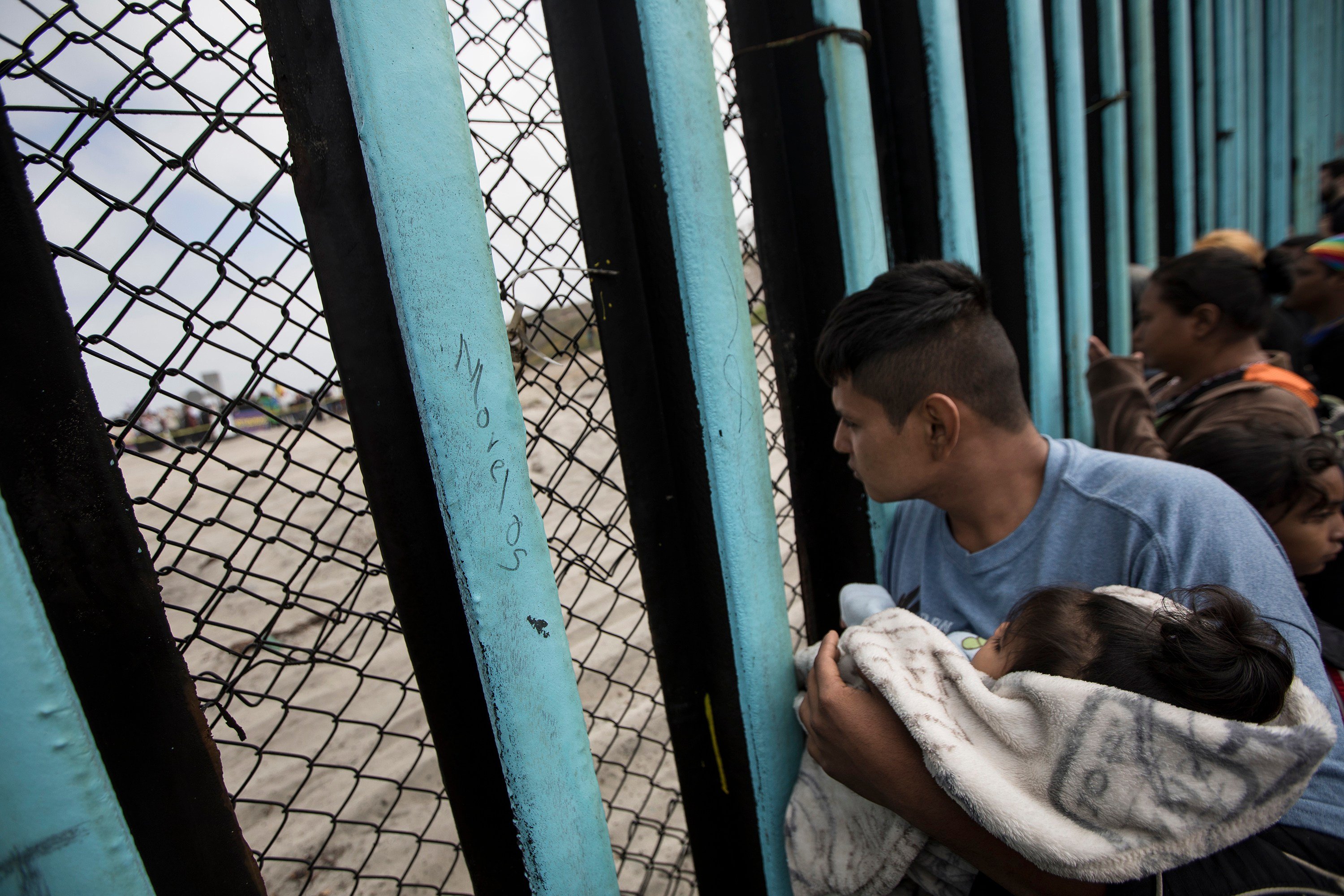
Military officials have often compared the effect of the Active Denial System to the blast of heat from opening a hot oven, but journalists who have voluntarily experienced it describe it as brutally painful, using words like "intolerable" and "a wall of scorching heat." The weapon has been tested on military personnel and willing volunteers, but there is no evidence it has ever been tested on pregnant women, children, the elderly, or people with disabilities—all groups that may be present among migrant populations.
Physicians for Human Rights has warned that the heat ray could damage blood vessels, nerves, and glands, and its long-term health effects remain unknown. The image of a toddler suffering burns from such a device underscores the alarm surrounding even a test of this technology at the border.
Legal and Humanitarian Concerns
Deploying the Active Denial System at the border would likely violate U.S. and international law, as all migrants have the right to claim asylum and seek humanitarian protection. Using the heat ray to prevent people from approaching the border would involve harming them before they commit any illegal act, making lawful use nearly impossible to envision. The weapon is also on the UN Special Rapporteur on Torture's prohibited equipment list, and its deployment could infringe on Mexico's sovereignty.
Operational and Historical Precedents
The Active Denial System has never been used in real-world operations, and its effects are based on controlled tests by properly trained personnel. Notably, military commanders decided against using it in Afghanistan in 2010, and former Homeland Security Secretary Kirstjen Nielsen refused to authorize its use at the border in 2018. As recently as 2020, the first Trump administration rejected the idea of turning the heat ray on protesters in Washington, D.C. Now, the current administration appears willing to use migrants as test subjects.
Meanwhile, illegal crossings at the southern border are at their lowest level since 1970, with daily apprehensions down 94 percent from the Biden era, according to administration officials. This raises the question of why such a weapon is needed at all.
Customs and Border Protection stated it is "continually evaluating new technologies, especially those that enhance operational effectiveness and strengthen mission capabilities." But there is insufficient evidence that the heat ray would achieve either goal. The weapon's non-lethal designation does not make it appropriate for use against civilians, and the administration's approach to immigration has drawn widespread criticism.
With Democrats having regained control of the House, lawmakers should demand hearings on any planned tests or deployment of the Active Denial System. Public opinion appears supportive of such scrutiny, as 58 percent of Americans disapprove of the administration's immigration policies. There is also concern that testing the heat ray at the border could pave the way for its use domestically against American citizens exercising their constitutional right to protest.
A heat ray is too unsafe and risky for border control. Weapons designed for war should never be used against civilians.