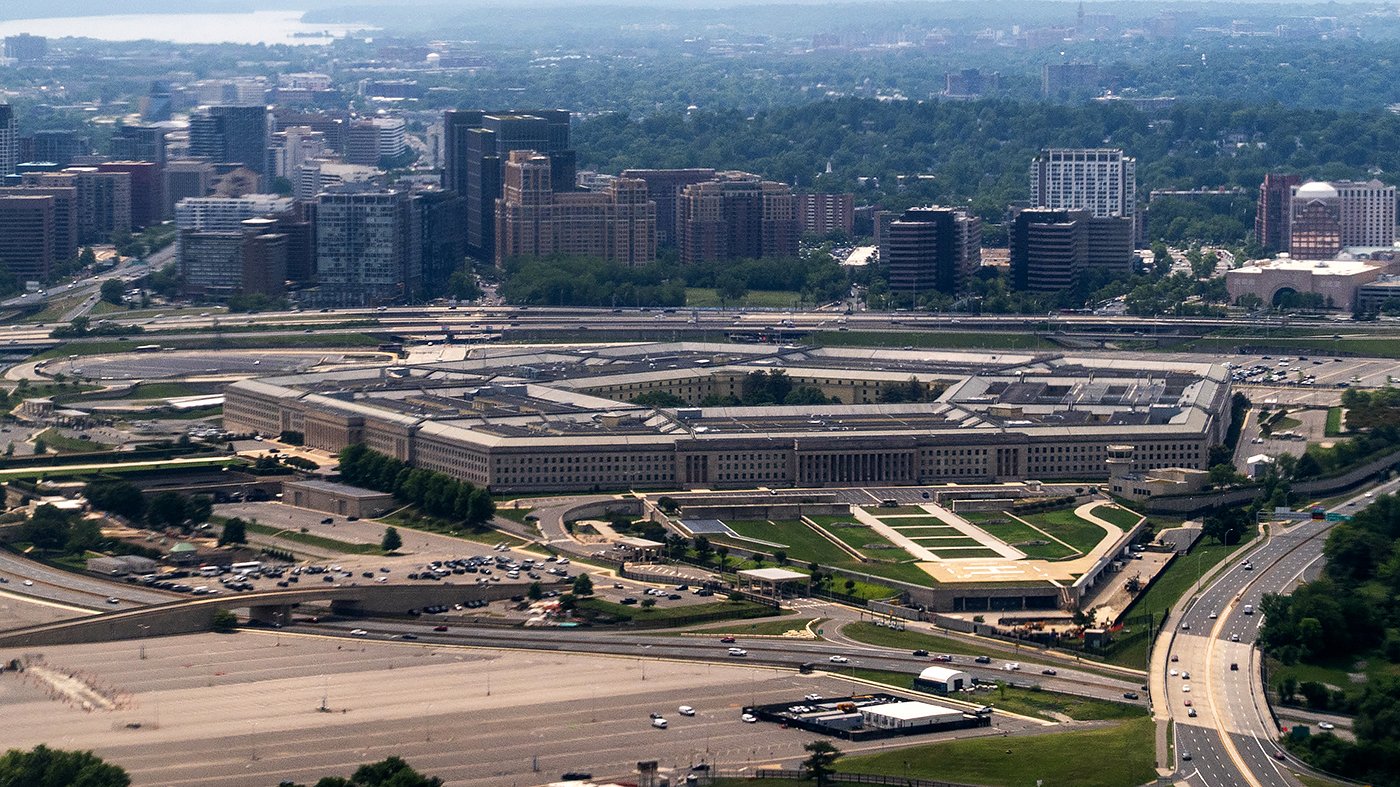
The Pentagon has formally blacklisted Chinese tech giants Alibaba, electric vehicle maker BYD, and search engine Baidu, barring them from securing U.S. defense contracts after adding them to a list of companies alleged to have ties to Beijing’s military.
The Defense Department on Monday released an updated roster of non-state-owned Chinese firms that, despite operating outside traditional defense or security sectors, are accused of collaborating with the People’s Liberation Army. The list, created in 2021 under a congressional mandate, aims to identify companies that could pose a threat, as Beijing often leverages such entities for military purposes.
Fifteen new companies were added, bringing the total to 188—up from nearly 130 last year. Among them, Alibaba is cited as a “military-civil fusion contributor to the Chinese defense industrial base” due to its affiliation with China’s Ministry of Industry and Information Technology (MIIT), which oversees the country’s tech and industrial policies. BYD and Baidu are similarly linked to MIIT and the State-owned Assets Supervision and Administration Commission (SASAC), making them contributors to China’s military-civil fusion strategy.
The move drew sharp reactions from lawmakers. House Select Committee on the Chinese Communist Party Chairman John Moolenaar (R-Mich.) called the list “a warning to American businesses, all levels of government, and the American people.” In a statement, he said, “These Chinese companies are working with the Chinese military against our national interests. Any of them that are publicly traded on U.S. exchanges should be immediately delisted and their products should be removed from supply chains our country depends on.” Moolenaar added that American firms must sever ties with listed companies, “otherwise they are enabling China’s military ascendance.”
The Chinese Embassy in Washington fired back, accusing the U.S. of “overstretching the concept of national security and making discriminatory lists to go after Chinese companies,” according to the Associated Press. The embassy demanded Washington “stop its wrong practice and create a fair, just and non-discriminatory environment for Chinese companies.”
Alibaba, BYD, and Baidu have all denied being military companies or cooperating with the Chinese military. While the Pentagon’s designation does not ban these firms from operating in the U.S., it can tarnish their reputations and complicate business dealings.
Other notable companies already on the list include battery maker Contemporary Amperex Technology Co. Ltd. (CATL), which supplies Tesla; tech conglomerate Tencent, owner of WeChat; and drone manufacturers Autel Robotics and DJI. These firms have faced intense scrutiny on Capitol Hill over national security concerns, particularly as debates over Pentagon AI weapons and supply chain vulnerabilities intensify.
The Pentagon’s latest expansion of the list comes amid broader tensions over China’s influence in U.S. markets and technology sectors. Critics argue the administration’s approach risks alienating key partners, while supporters see it as a necessary step to safeguard national security. The issue has also sparked discussions about the Pentagon’s procurement policies, including recent debates over human control of AI weapons and the renaming of the Pentagon as the War Department.