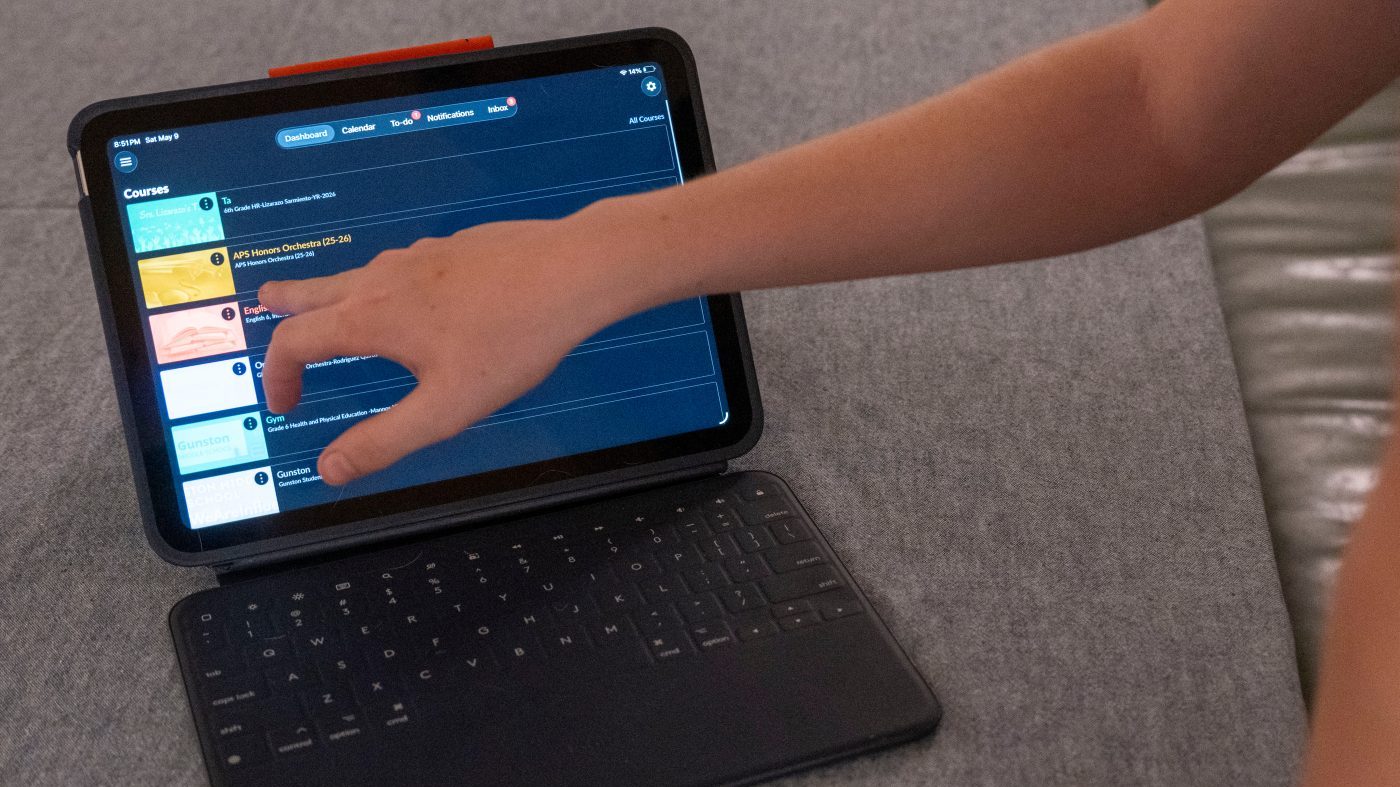
A wealthy Philadelphia suburb has become the latest battleground over technology in schools, as parents and teachers challenge a district's heavy reliance on digital devices.
The Lower Merion School District board voted last week to scrap its existing policy after months of debate over its 1:1 device program, which provides students with Chromebooks or iPads. While 37 states have banned personal cellphones in schools, this controversy centers on school-issued devices that children can bring home.

Yair Lev, a parent and cardiologist in Lower Merion, told NewsNation that screens have become a “digital wall that disconnects kids completely from the teachers.” Lev stressed that he and other concerned parents are not anti-technology but believe schools should not rely on screens to teach core subjects like math, reading, and science.
The district's new policy would end device assignments for students in kindergarten through second grade, start issuing devices in fifth grade, and make take-home devices mandatory starting in seventh grade. But Lev argues these limits don't go far enough, citing a lack of data showing digital programs outperform traditional teaching. “The technology, if used in the current way in elementary schools … and even high schools, could be harmful for the kids,” he said.
More than 600 district residents signed a petition last month to preserve parents' ability to opt their children out of using digital devices during the school day. Officials countered that opting out of technology essential to the curriculum is not feasible. By repealing the existing policy, the board eliminated the opt-out clause, leaving the district in temporary limbo and frustrating parents like Lev.
Lev said he has spoken with over 10 teachers and principals who share his concerns about technology use but noted, “There's a big discrepancy between the leadership in the district and the actual teachers.” This rift mirrors broader national debates about screen time in education, as highlighted by recent discussions on teachers' union calls for screen bans that some argue are just a first step.
The dispute also reflects growing tensions between school administrators and classroom educators, similar to dynamics seen in other policy fights, such as the legal battle over union finances or the Ohio law requiring parental consent for kids' social media. Parents in Lower Merion are now pushing for a more balanced approach that prioritizes teacher judgment over administrative mandates.
As the district works on a replacement policy, the core question remains: Can technology enhance learning without replacing the human connection that many argue is essential for education?