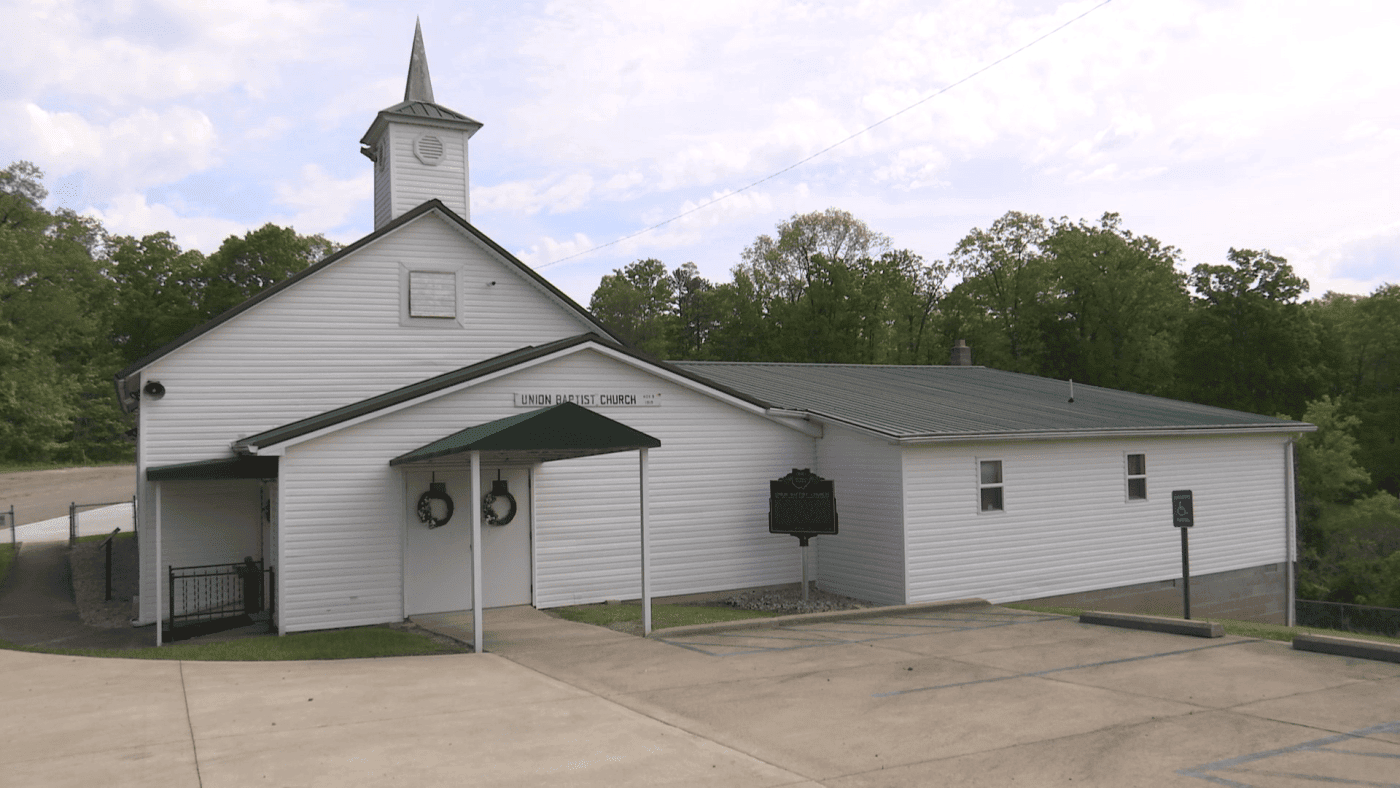
Every Sunday, a small but devoted congregation gathers at Union Baptist Church in Blackfork, Ohio, a building that has stood for over two centuries. But its significance stretches far beyond weekly worship. Founded in 1819, it is the oldest continuously operating African American church in Ohio, and now it has earned a formal place in the National Park Service’s Network to Freedom Marker Program.
The designation, announced in March, recognizes the church’s critical role in the Underground Railroad. Dr. Andrew Feight, a history professor at Shawnee State University and director of the Center for Public History, described the church as a key node in the clandestine network that helped enslaved people escape to freedom. “This is in some ways where the Underground Railroad began once people successfully got across the Ohio River,” Feight said. “This network was interracial. Whites and Blacks working together at times, sometimes by themselves. It was a clandestine secret network because it was illegal to assist freedom seekers.”

Union Baptist was part of the Poke Patch community, an important stop connecting crossing points in Burlington, Ironton, Gallipolis, and Portsmouth. Church members, both Black and white, aided escaped slaves, often guiding them onward to Canada. Historians estimate that roughly 200 freedom seekers passed through this area between 1840 and 1860.
Feight also serves as director of research and outreach for the Appalachian Freedom Heritage Tourism Initiative, which aims to highlight 27 Underground Railroad sites and nominate them for the Freedom Marker program. The church’s new plaque, alongside others from the Appalachian Freedom Heritage Tour and the Ohio History Connection, will tell the story of its past to visitors.
Longtime member Hope Rippey expressed pride in her ancestors’ role. “It’s a great feeling to know you had ancestors that helped migrate here in the community and help build this church to make it what it is today,” she said. “It’s been past, present and future.”
Today, around 20 people attend services each Sunday. Members say the church’s history and sense of community keep them coming back. “I feel the love of the people in this church, and when you come through this church, you feel love,” said Rosetta Keels. “This is a praying church, and we were brought up to love one another.”
Deacon Paul Keels reflected on the sacrifices of earlier generations. “It’s a blessing when you start thinking about the saints that came before us, how they had to struggle to keep the church going,” he said. “It kind of makes you want to go that extra mile to get here on time Sundays because some of them walk for miles and through all kind of weather just to get here to worship the Lord.”
Feight emphasized the enduring power of the site’s history. “There’s nothing more powerful than realizing that American history happened right here,” he said. “That this history is real, and the struggle for equality was real, the struggle for freedom was real and liberty was real.” The marker serves as a reminder that the fight for freedom continues to resonate today, even as public trust in government hits historic lows and debates over national identity intensify.