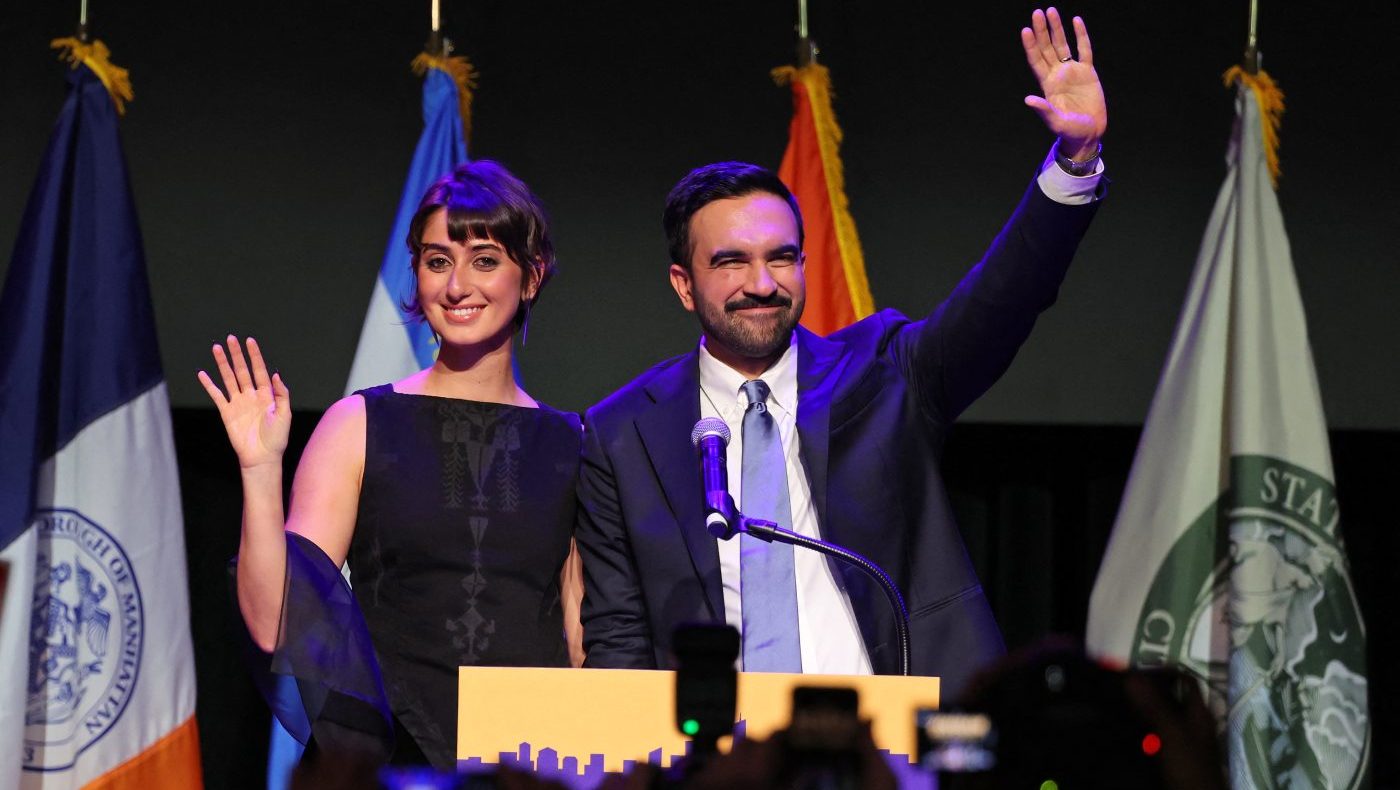
Rama Duwaji, the spouse of New York City Mayor Zohran Mamdani, issued a formal apology this week for social media posts she authored during her teenage years. The tweets, which resurfaced publicly in March, contained offensive language including a racial slur and an anti-gay epithet, alongside sharp criticism directed at Israel.
A Public Reckoning
In an interview published Wednesday, Duwaji stated the controversy has profoundly impacted her. "This experience has absolutely changed my life," she told Hypoallergic. "I am still figuring out how it applies to me as an artist and as a person, both thinking of the future and the past. It has forced me to confront how much I've changed, even before this moment."
She directly addressed the content of the decade-old posts. "When a tabloid recently published old tweets I wrote as a teenager, I felt a lot of shame being confronted with language I used that is so harmful to others; being 15 doesn't excuse it," Duwaji said. "I've read and seen a lot of what others have had to say in response, and I understand the hurt I caused and am truly sorry."
Content of the Controversial Posts
The tweets, written when Duwaji was 15, were first reported by The Free Beacon. One post from June 16 used a homophobic slur. In another, she addressed Snapchat, writing, "Hey @Snapchat show them children locked in cages overnight, burned alive and starved to death in Palestine. #TelAviv."
When questioned about his wife's past remarks, Mayor Mamdani emphasized her private status, noting she "has held no position in my campaign or in my city hall." The mayor's own administration has faced significant political and fiscal challenges since taking office, with his early approval ratings trailing those of his predecessor.
Political and Personal Context
The incident intersects with the politically charged atmosphere surrounding Mamdani's tenure. As a Muslim mayor, Mamdani has drawn Republican criticism for incorporating religious ceremonies at city hall. Duwaji, who is Syrian-American, has been a vocal supporter of Palestinian causes, a stance that frequently attracts public scrutiny.
In her interview, Duwaji reflected on the inherent politics of public life. "Everything is political: what we choose to show, what we choose to omit, the stories we highlight and the ones we leave in the margins," she said. "It has and will continue to be important for me to reflect the times around me as an artist."
She added that her position has intensified her commitment to authenticity. "If anything, having this position makes me more committed to being honest and attentive, to making work that is complex. It feels like it would be doing it a disservice to not be the artist that got me to this point."
The apology comes amid a political landscape where public figures are increasingly held accountable for past statements, a phenomenon seen in other controversies such as when a Supreme Court justice issued a public apology to a colleague. The episode underscores the persistent tension between personal history, public accountability, and political identity for those connected to high office.