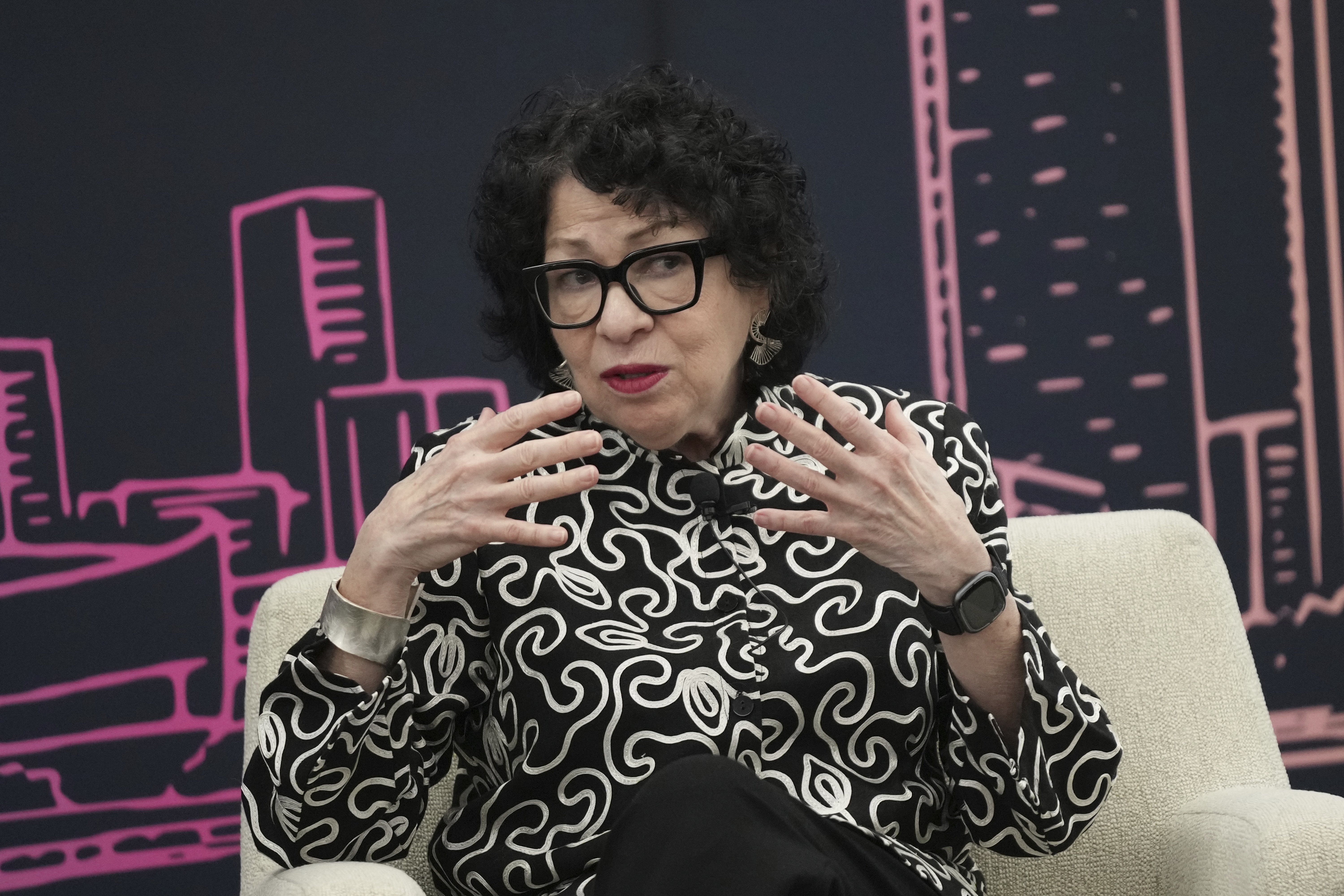
Justice Sonia Sotomayor issued a public apology Wednesday to fellow Supreme Court Justice Brett Kavanaugh for comments she made last week criticizing his judicial opinion on immigration enforcement during the Trump administration. The apology comes amid heightened scrutiny of the Court's internal dynamics and its handling of politically charged cases.
Public Statement of Regret
In a formal statement, Sotomayor acknowledged she had made inappropriate remarks during a recent appearance at the University of Kansas School of Law. "I referred to a disagreement with one of my colleagues in a prior case, but I made remarks that were inappropriate," Sotomayor stated. "I regret my hurtful comments. I have apologized to my colleague." The statement represents a rare public acknowledgment of tension between justices, who typically maintain formal decorum regarding their disagreements.
Controversial Remarks on Immigration Enforcement
During her Kansas appearance, Sotomayor had criticized Kavanaugh's defense of his vote last September to lift restrictions on immigration stops in the Los Angeles area. Those restrictions had prohibited stops based on individuals speaking Spanish or working in certain professions. Kavanaugh had authored a solo opinion emphasizing that such stops were "brief" and that immigration officers "promptly" released anyone found to have legal status.
According to reports from Bloomberg Law, Sotomayor told the audience, "I had a colleague in that case who wrote, you know, these are only temporary stops. This is from a man whose parents were professionals. And probably doesn't really know any person who works by the hour." The comments drew immediate attention for their personal nature and their critique of Kavanaugh's background and perspective.
Broader Context of Judicial Relations
Sotomayor's apology comes during a period of increased public appearances by Supreme Court justices between their March and April argument sessions. The incident highlights the delicate balance justices must maintain between expressing substantive disagreement and preserving collegial relationships on the bench.
Later in the week, speaking to law students at the University of Alabama, Sotomayor addressed questions about building bridges with colleagues. "They may care about different issues than I do a bit more, but in terms of human values, we share the same ones," she said. "And I don't define them by their worst ideas. As human beings, I look to them as people to have a relationship with them."
The justice added that she maintains civil relationships with virtually all her colleagues and friendships with many, suggesting the Court's internal dynamics remain functional despite ideological divisions. This comes as the Court faces increasing public scrutiny over its procedures, including criticism from Justice Ketanji Brown Jackson about the use of the so-called 'shadow docket' for significant rulings.
Political and Legal Implications
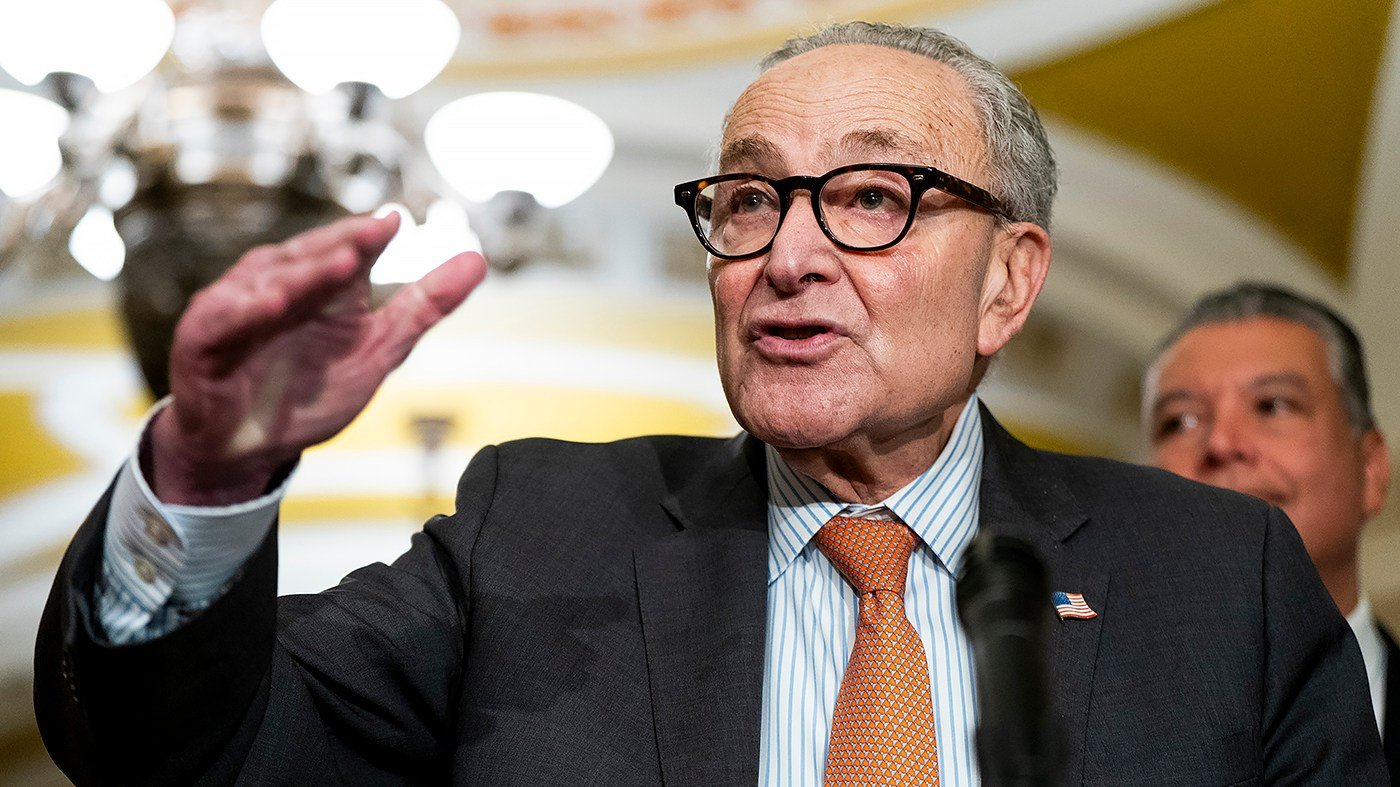
Kavanaugh's original opinion had sparked significant controversy, with critics of the Trump administration accusing the Supreme Court of effectively authorizing racial profiling. The policy became known colloquially as "Kavanaugh stops" among immigration advocates and opponents of the administration's enforcement approach. The episode reflects ongoing tensions around immigration policy that continue to shape judicial and political debates.
The timing of Sotomayor's remarks and subsequent apology coincides with broader political discussions about the Court's composition and future. Some conservative activists, including former Trump adviser Stephen Miller, have urged challenges to Supreme Court precedents on immigration matters, while speculation continues about potential future vacancies on the bench.
The Supreme Court returns for its April session on Friday, when justices are expected to hand down at least one opinion in a pending case. The incident serves as a reminder of how personal perspectives and backgrounds can influence judicial interpretation, even as justices strive to maintain professional decorum in their public disagreements.