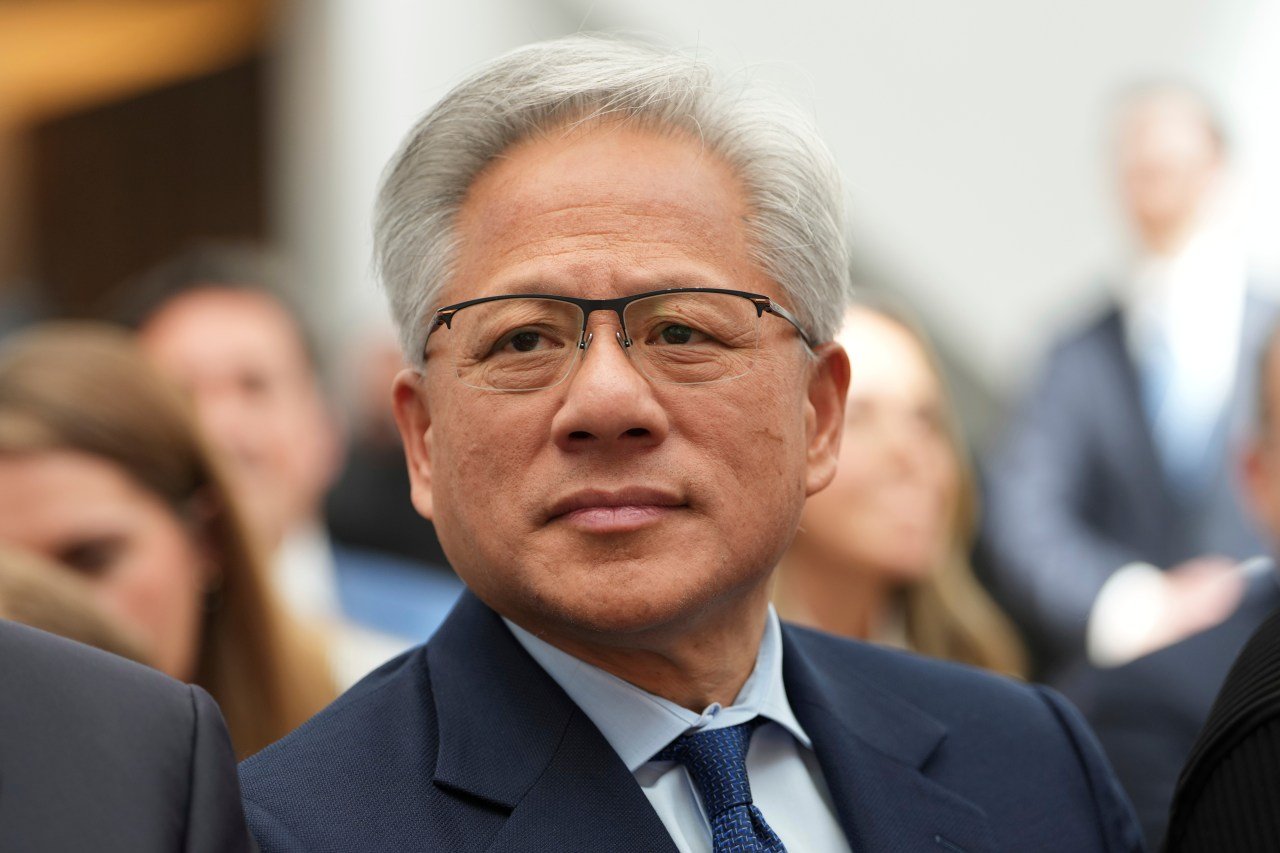
A shareholder has filed a lawsuit against Nvidia and its chief executive, Jensen Huang, alleging the company and its leader deceived investors in their handling of media reports about Huang's relationship with a woman accused of being a Chinese spy. The complaint, lodged in a California court on Monday, contends that Nvidia's public statements about the affair and its ties to a Singapore-based firm were misleading, given the national security risks involved.
The legal action follows President Donald Trump's announcement that the FBI is investigating the matter, which Huang has admitted to and apologized for. Trump said Huang told him he was unaware of any espionage ties. The affair has also drawn scrutiny from Nvidia's board, which has launched its own review, and has raised alarms in Congress about potential Chinese efforts to access Nvidia's advanced AI chips, which are subject to export restrictions.
The lawsuit, brought by retail investor Mark Kistenmacher, targets statements Nvidia made about Megaspeed, a company formerly employing Alice Huang, who is suspected of working for Chinese intelligence. The Commerce Department had been probing whether Megaspeed helped circumvent U.S. export bans on Nvidia chips to China. Nvidia had previously stated its compliance team found no illegal activity, but the suit argues those assurances were false because Jensen Huang's personal relationship with Alice Huang created a conflict of interest and a material risk to the company.
According to the complaint, Nvidia and Huang failed to disclose the affair and issued misleading statements about Megaspeed, which posed a significant threat to Nvidia's reputation and business outlook. Had investors known the truth, they would not have bought shares at the artificially inflated prices, the suit claims. The class-action seeks unspecified damages and a jury trial for investors who purchased Nvidia stock between October 9, 2025, when the affair first surfaced in The New York Times, and November 8, when Nvidia acknowledged investigating reports of a foreign intelligence effort targeting Huang.
The fallout has been severe for Nvidia, one of the world's most valuable companies. Shares dropped 4.3% on Monday, erasing roughly $190 billion in market value, and continued to slide on Tuesday, closing down about 5.5%. The lawsuit highlights the financial impact, stating that shareholders have suffered significant losses due to the defendants' actions.
Nvidia has not commented on the lawsuit, but independent directors announced Tuesday that they have hired the law firm Wachtell, Lipton, Rosen & Katz to conduct an independent investigation. Joon H. Kim, a former acting U.S. Attorney for the Southern District of New York, will lead the probe. Huang has pledged full cooperation, saying in an open letter, "I support the investigation and will cooperate fully. I love our country and our company. I am committed to protecting NVIDIA and supporting America's national security."
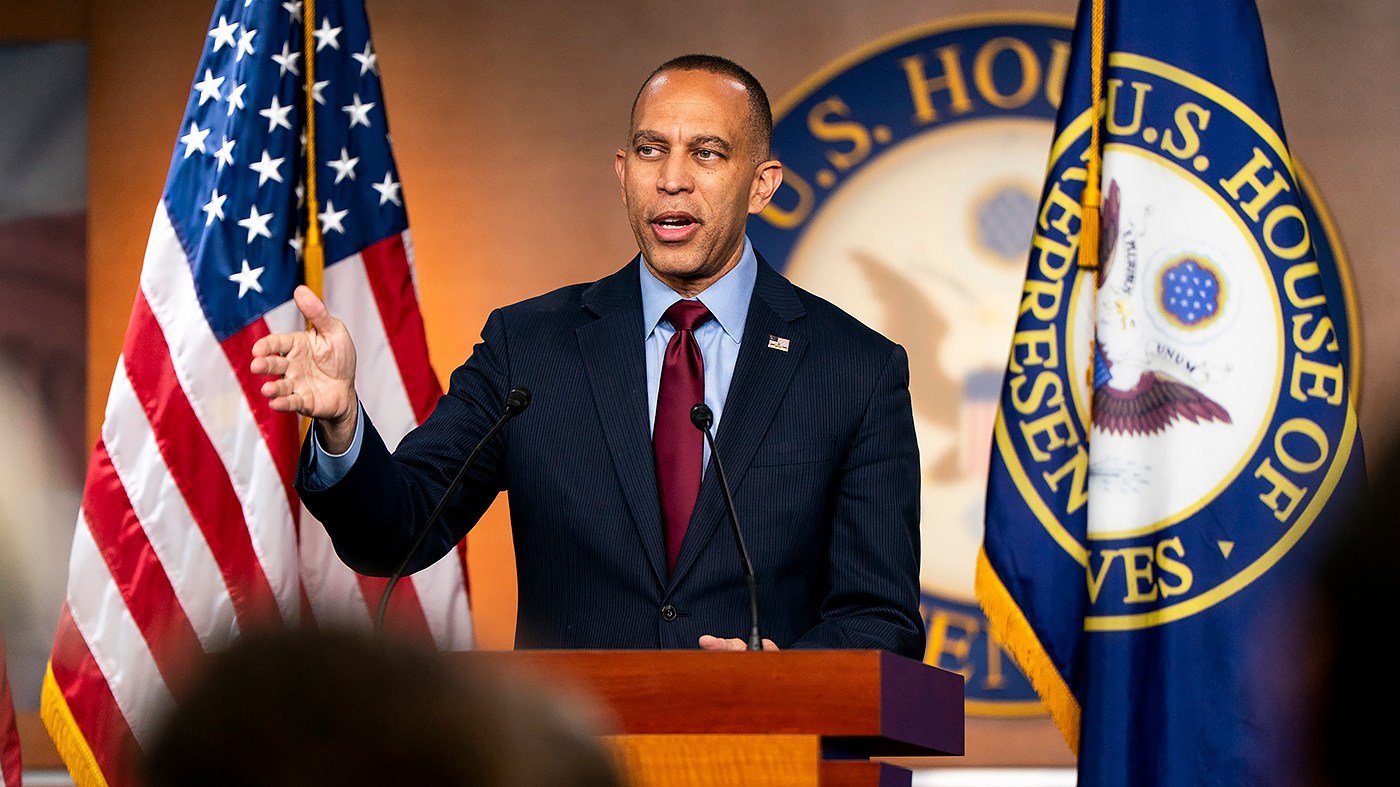
The controversy is also attracting political attention. Top Democrats, including Senator Mark Warner and Representative Hakeem Jeffries, have expressed interest in further inquiry. The episode has become a flashpoint in broader debates over bipartisan pressure for a probe, though Trump has defended Huang, saying he "will be in good shape." Some Republicans have demanded Huang testify, while others have focused on tightening AI chip export controls.
Alice Huang, a former Megaspeed executive, is reported to have purchased over $4.8 billion worth of Nvidia chips in the past two years, raising concerns about potential smuggling. The Times reported that U.S. intelligence believes she was gathering information for Beijing. The two Huangs are not related, but the affair has cast a shadow over Jensen Huang's leadership during a critical time for the company.
As the investigation unfolds, the intersection of personal conduct, corporate governance, and national security is likely to keep Nvidia in the spotlight. The board's independent review and the shareholder lawsuit could have lasting implications for the company's leadership and its handling of sensitive international relationships.