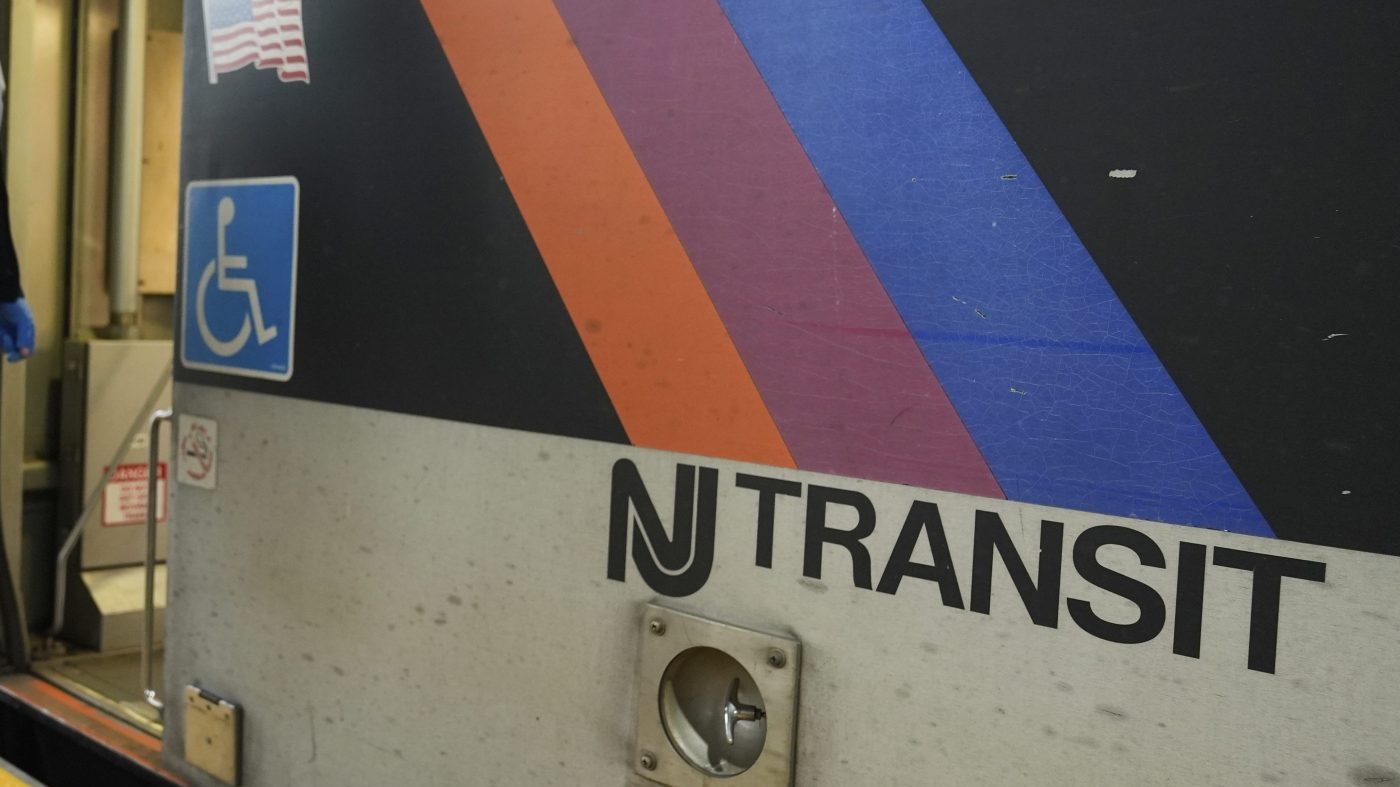
With the 2026 FIFA World Cup approaching, a political and public backlash is mounting in the New York-New Jersey region over transportation plans that will see fans paying sharply elevated fares to reach MetLife Stadium. NJ Transit announced a round-trip rail ticket price of $150 for match-day service, a staggering increase from the standard $12.90 fare for the same route.
Officials Deny Profiteering, Cite Structural Deficit
In a statement defending the pricing, NJ Transit officials explicitly stated they are "not making profits or trying to gouge" spectators. The agency argues the regular fare does not cover the specialized service required for the global event. "NJ Transit has a structural deficit and cannot bear the extra cost of FIFA World Cup service," officials said. "We are asking the fans to cover the cost of their travel to the stadium."
The agency estimates each match-day operation will cost $6 million to move 40,000 passengers, with security representing a significant portion of the added expense. Tickets, which go on sale May 13 exclusively through the NJ Transit mobile app, are non-refundable, non-transferable, and require a valid match ticket for purchase and access. They will not be sold at stations.
Sherrill Leads Charge Against FIFA
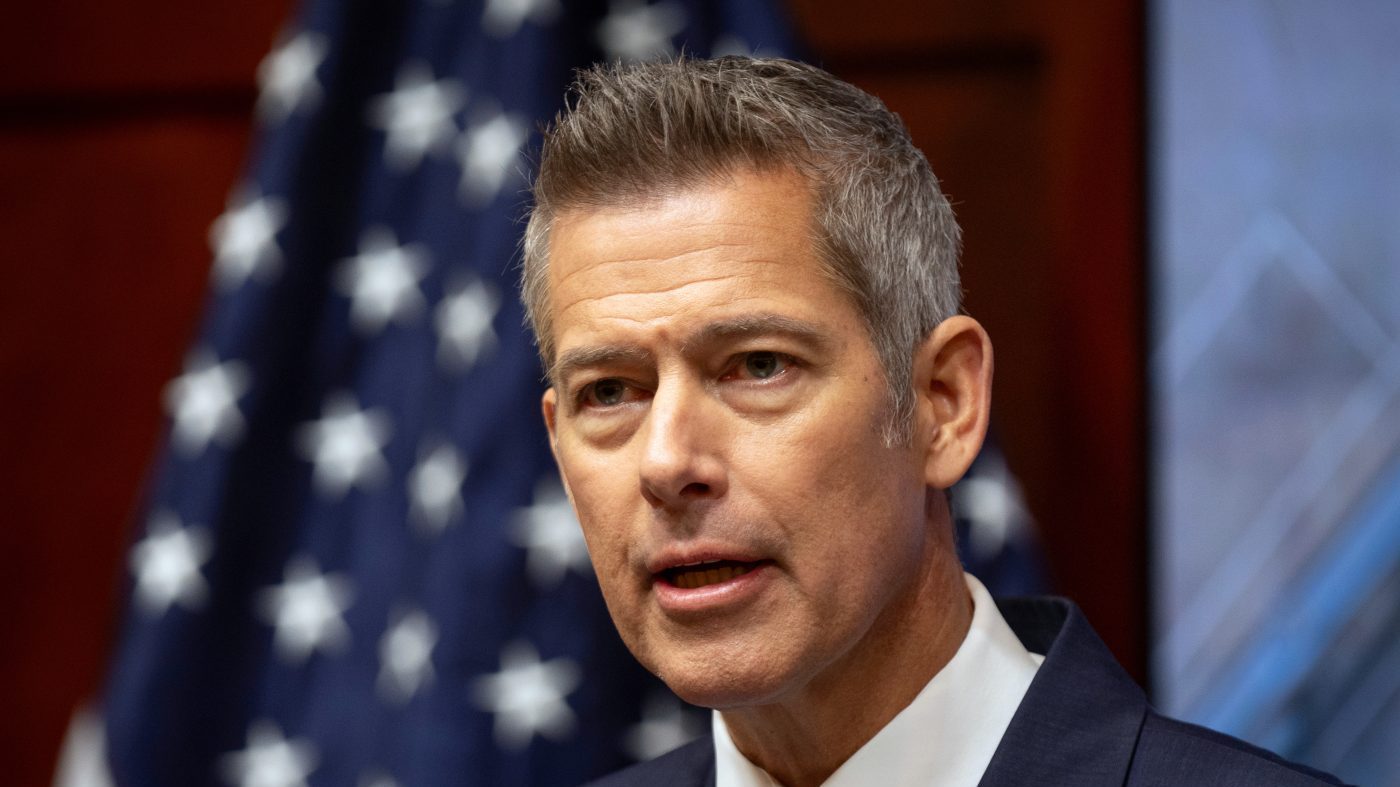
The pricing announcement has drawn fierce criticism from New Jersey Governor Mikie Sherrill, a Democrat, who is demanding FIFA—the international soccer governing body—shoulder the transportation costs. "FIFA is charging fans up to $10,000 for a single ticket to the final," Sherrill wrote on social media. "They're set to make $11 billion off of the World Cup overall. But New Jerseyans should foot a $48 million bill for transportation costs? Not happening."
Sherrill had previously requested FIFA cover the costs, but the organization reportedly argued it has never faced this demand in any previous host city. The governor also highlighted FIFA's arrangement for over $200 "premium" parking at the nearby American Dream Mall while eliminating all general parking at MetLife Stadium itself.
Public reaction has been skeptical, with one commenter on social media questioning the rationale: "I'm actually struggling to understand why you need to raise prices. I get it if we were building a new train route and you want to recoup money from that." The debate touches on broader questions of public resource allocation and political accountability during major events.
Limited Transportation Options for Fans
NJ Transit will sell 40,000 rail tickets per match, intended to cover approximately 51% of attendees. All rail service from New York City will originate exclusively from Penn Station. An additional 28% of fans are expected to use an official NYNJ Stadium Shuttle bus service, operated by the host committee, with round-trip tickets priced at $80.
Personal vehicles are effectively banned, with no general parking permitted at the stadium for matches. Rideshare services will be directed to a designated drop-off zone at Meadowlands Racing & Entertainment, not on stadium property, further funneling attendees toward the paid transit options.
The controversy emerges amid other high-stakes international events, such as King Charles's upcoming address to Congress, which occurs against a backdrop of complex diplomatic relations. It also highlights the tension between global spectacle and local fiscal reality, a theme familiar in discussions of large-scale publicly-associated projects and their funding.
As the ticket sales date nears, the dispute pits a state agency grappling with financial shortfalls against political leaders and residents questioning why a famously lucrative international organization is not being held responsible for infrastructure burdens. The outcome may set a precedent for how future mega-events in the United States handle the logistics and economics of mass transit.