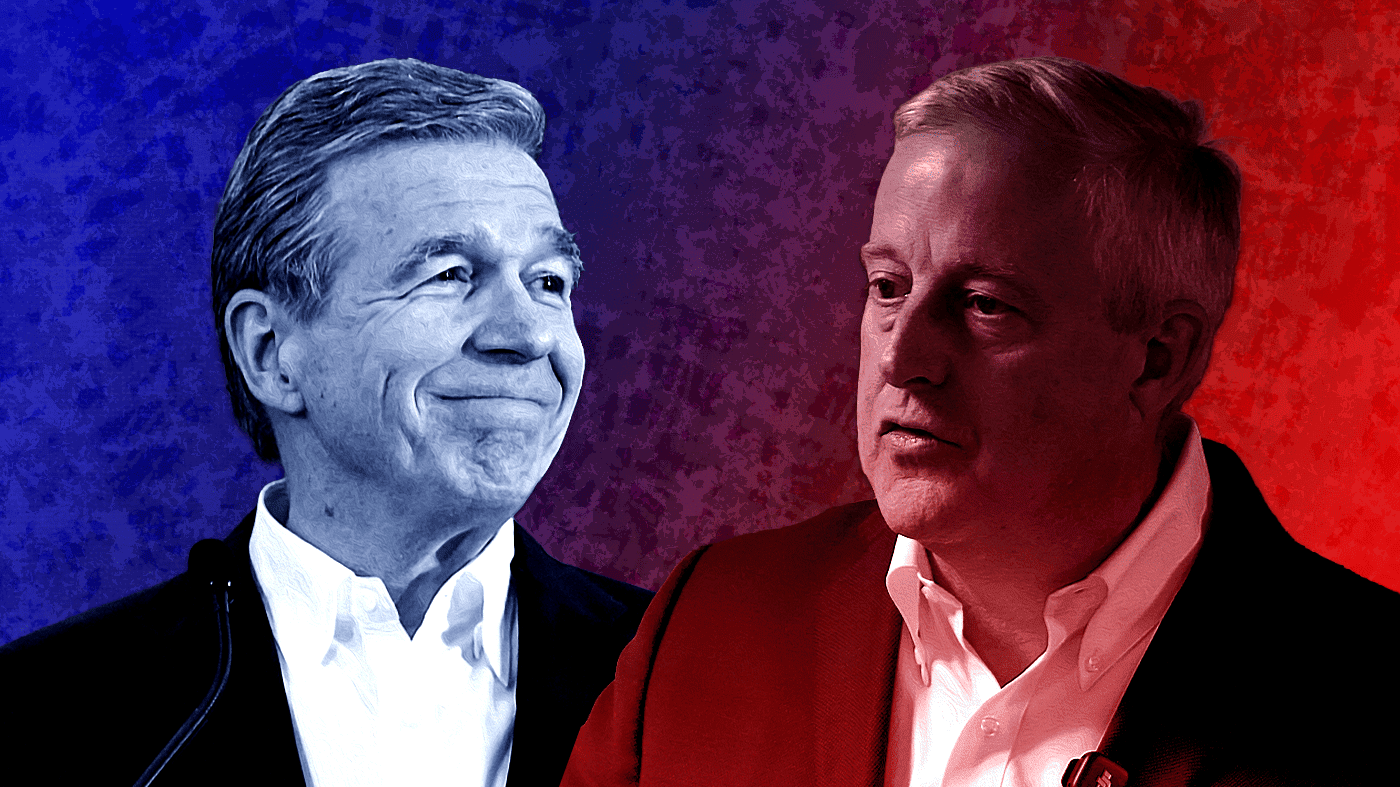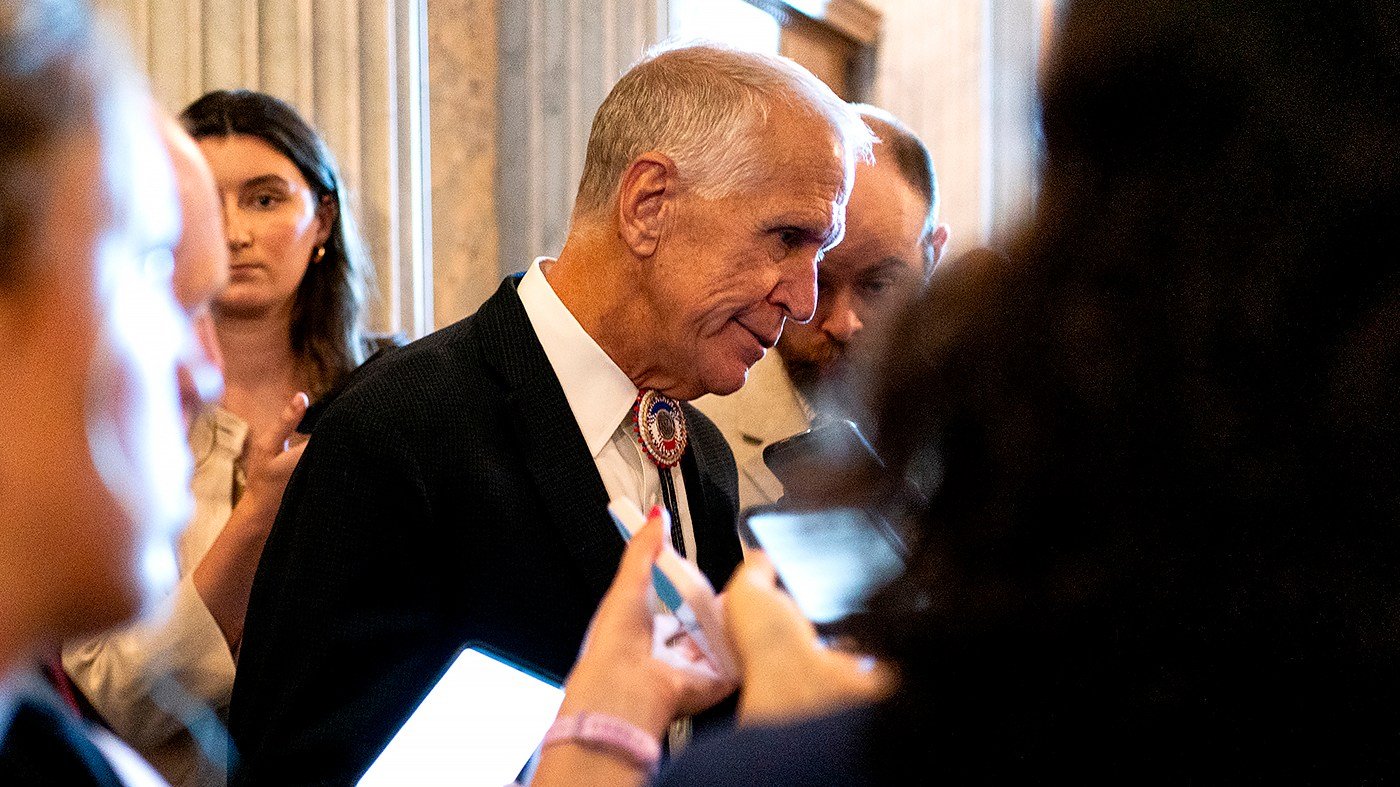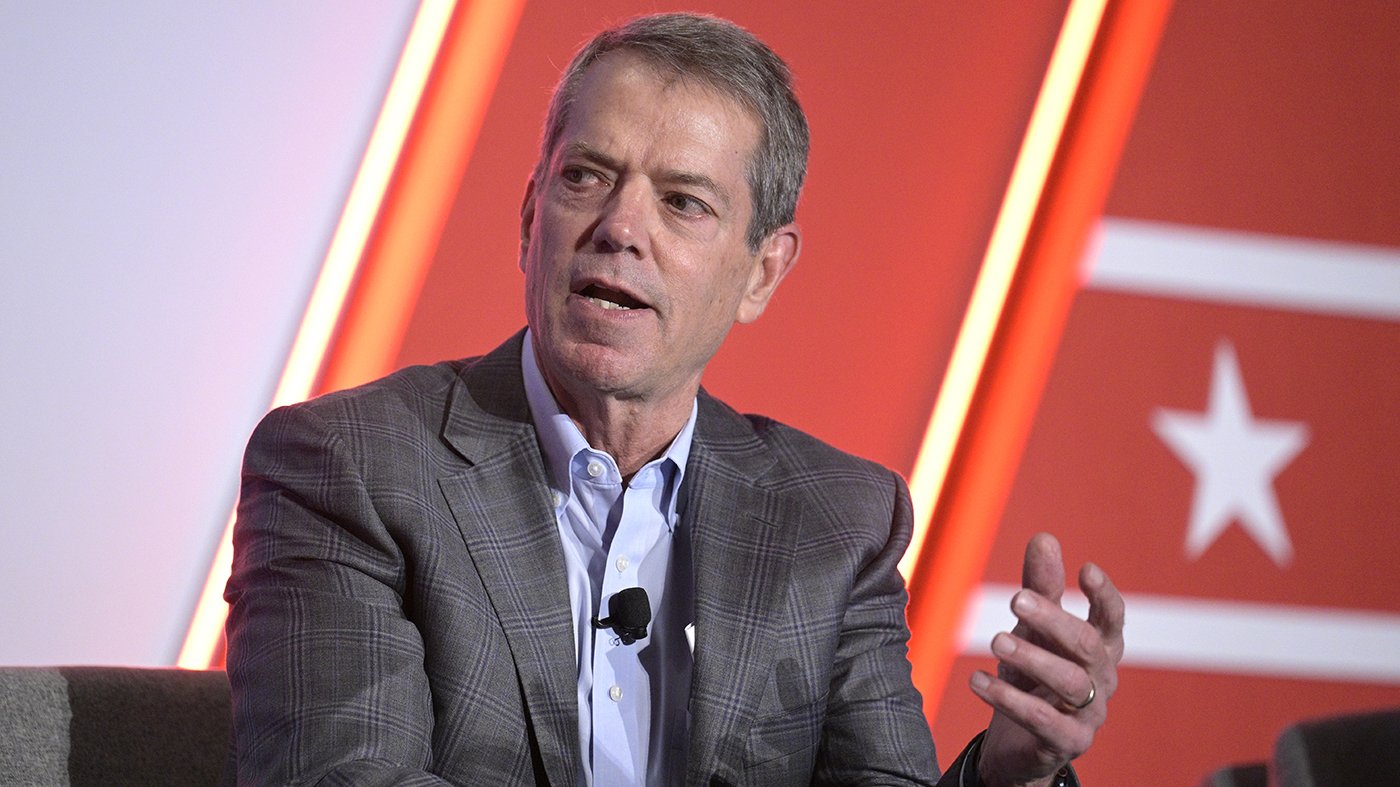
Nebraska voters cast ballots Tuesday in the state's gubernatorial primary elections, setting the stage for a November showdown. Incumbent Republican Gov. Jim Pillen, who enjoys former President Donald Trump's endorsement, is seeking to fend off a field of challengers within his own party. On the Democratic side, former state Senator Lynne Walz emerges as the frontrunner, aiming to secure her party's nomination.
Pillen, a first-term governor, has positioned himself as a staunch conservative aligned with Trump's agenda. His primary opponents include several Republicans critical of his tenure on issues ranging from property taxes to education policy. The outcome of the GOP primary could signal the strength of Trump's influence within the state party and test whether internal dissent can erode an incumbent's advantage.
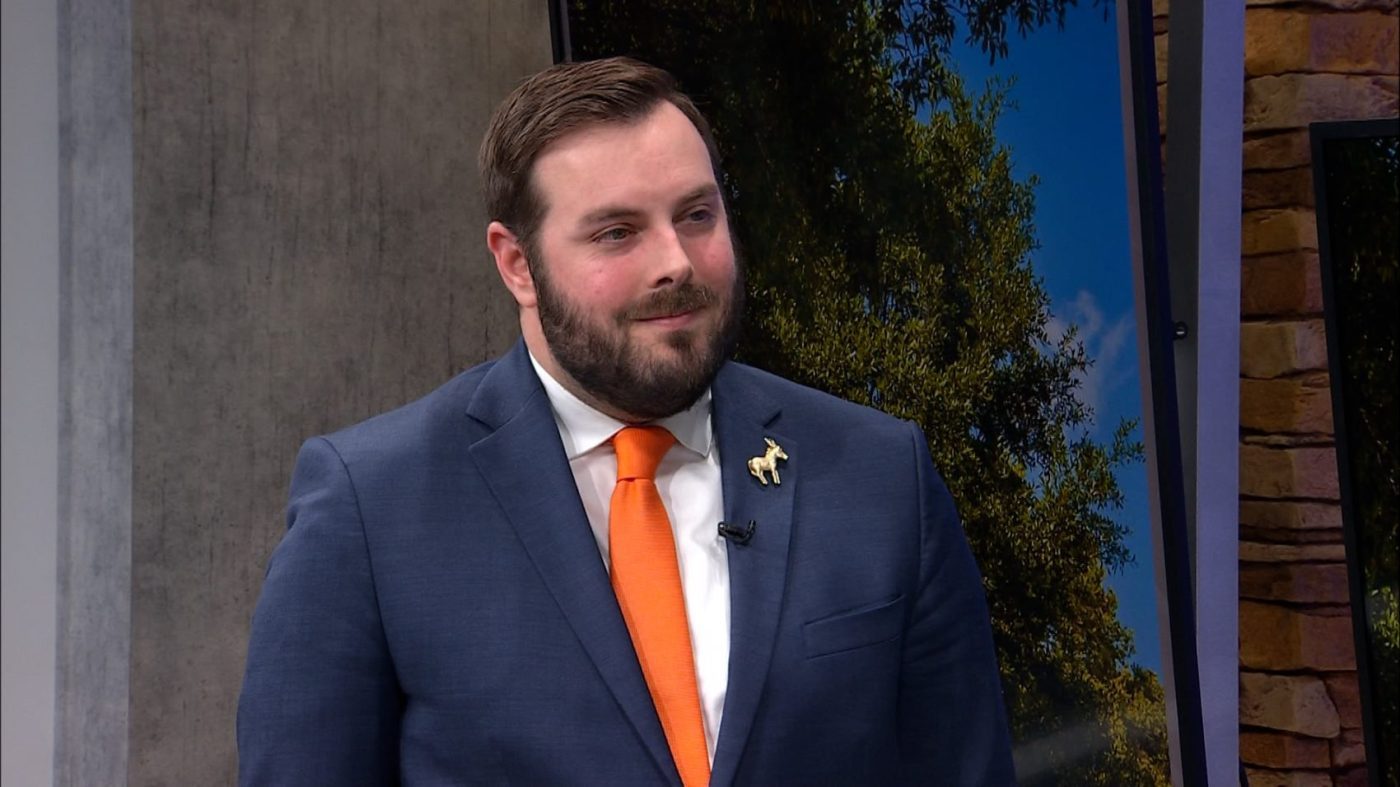
Walz, a former educator and state senator, leads the Democratic field but faces at least one other contender. She has campaigned on expanding healthcare access, boosting public school funding, and addressing rural economic challenges. Her primary contest will determine who carries the Democratic banner into a general election that has historically favored Republicans in Nebraska.
Polls close at 8 p.m. CDT. For real-time updates, watch live coverage from The Hill's Decision Desk, which is tracking results for both Nebraska and West Virginia primaries.
National Implications
The Nebraska governor's race is part of a broader political landscape where Trump's endorsements continue to shape GOP primaries. In other states, similar dynamics are playing out, such as in Florida where Trump's influence could determine the next governor. The Nebraska contest also highlights Democratic efforts to compete in red states, a challenge underscored by recent analyses like one arguing Democrats have neglected their base in such regions.
Beyond the gubernatorial race, Nebraska's primary includes a closely watched House contest in the state's 2nd Congressional District, often called the "Blue Dot" because of its competitive nature. That race, detailed in a separate report, could have national implications for control of the House.
Pillen has emphasized his record on tax cuts and conservative social policies, while his GOP rivals have attacked him for not going far enough. On the Democratic side, Walz has sought to unify the party by focusing on kitchen-table issues like healthcare costs and public education. The primary results will clarify the general election matchup and the messaging strategies each party will deploy.
As polls close, attention turns to turnout and whether internal party divisions will weaken the eventual nominees. With Trump's endorsement a key factor, the Nebraska primary offers an early test of his sway in the 2024 cycle, though the governor's race itself is not until 2026.