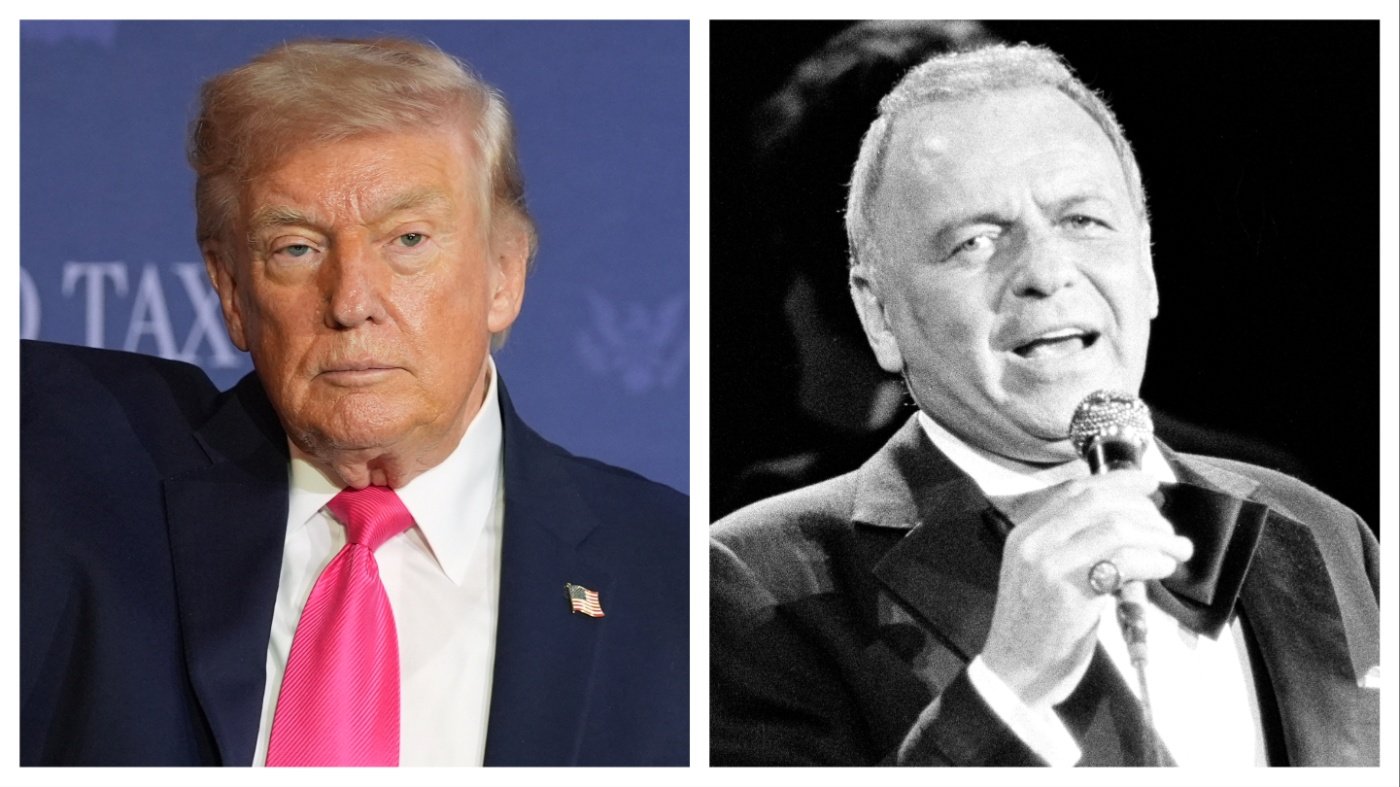
Nancy Sinatra, the daughter and estate holder of legendary singer Frank Sinatra, has issued a sharp public rebuke of former President Donald Trump for his use of her father's signature anthem, "My Way." The criticism came after Trump shared a video clip of the late singer performing the 1969 hit on his Truth Social platform over the weekend.
In a post on the social media platform X on Sunday, Sinatra did not mince words. "This is a sacrilege," she wrote, directly responding to Trump's unexplained posting of the clip. The former president offered no caption or context for sharing the video of Frank Sinatra, who passed away in 1998.
When a user on the platform asked the 85-year-old singer of "These Boots Are Made for Walkin'" if she could take action against Trump's use of the song, Sinatra indicated her hands were largely tied. "Unfortunately no," she replied. "The only people who can do something are the publishers." This highlights the complex copyright and licensing issues that often surround the political use of popular music.
This incident is not the first clash between Sinatra and Trump over "My Way." The singer has been a vocal critic of the former president for years. The friction notably surfaced in 2017 amid reports that Trump had selected the song for his inaugural ball dance with former First Lady Melania Trump. At that time, Sinatra pointedly told her followers to "Just remember the first line of the song." That opening lyric, penned by Paul Anka, is: "And now, the end is near."
Sinatra later characterized that 2017 post as a "joke," adding that she "was probably too outspoken for my own good." Despite her clarification, the sentiment underscored a recurring tension between the Sinatra family legacy and Trump's frequent embrace of the song as a personal theme. Trump ultimately did use a rendition of "My Way" for that inaugural dance, a choice that continues to resonate in this latest dispute.
The confrontation reflects a broader pattern where Trump's political brand, often built on a narrative of defiant individualism, clashes with the wishes of artists and estates who object to the association. This episode mirrors other conflicts where cultural symbols become political flashpoints.
Analysts suggest these disputes can sometimes alienate key voter blocs. For instance, Trump's approach to cultural and institutional figures has previously sparked controversy, such as the escalating feud with Pope Leo that some warn could erode his Catholic support. Similarly, his governing style, marked by confrontation, has led opponents to escalate calls for measures like the 25th Amendment during his presidency.
Furthermore, Trump's policy decisions often generate their own distinct controversies, separate from these cultural battles. His administration's focus on economic nationalism was evident in moves like the sweeping tariffs imposed to force pharmaceutical manufacturing back to the U.S., and attempts to end significant energy aid programs during price surges.
As the 2024 election cycle intensifies, moments like the Sinatra dispute serve as reminders of how a candidate's personal symbolism and cultural appropriations can become focal points for criticism. They also highlight the ongoing challenges Trump faces in unifying his base while navigating the objections of public figures and estates who resist the political use of their work or legacy. The incident adds another layer to what some analysts describe as a legacy already defined by scandals, self-memorialization, and constitutional tensions.