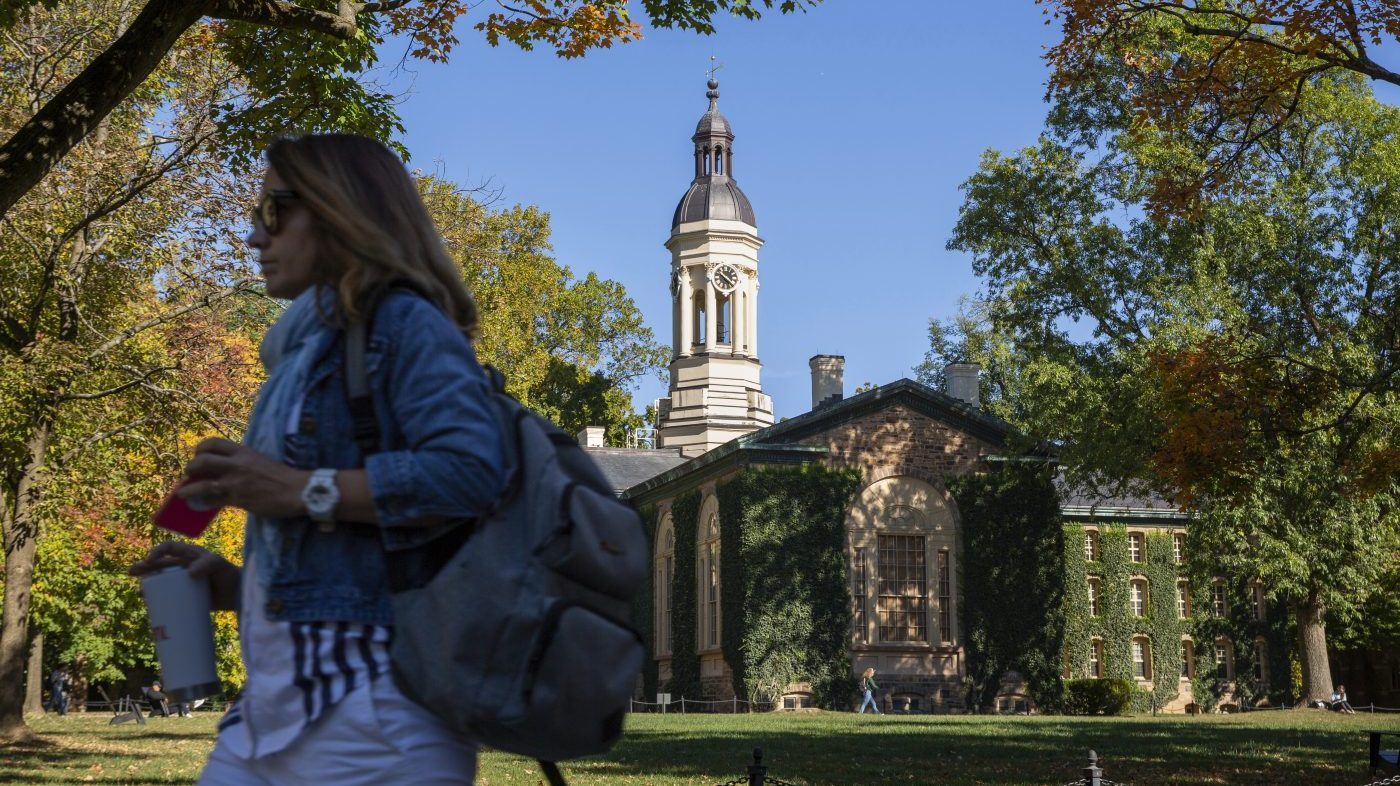
In a seismic shift for elite higher education, the Massachusetts Institute of Technology (MIT) has displaced Princeton University from the top spot in the U.S. News & World Report college rankings, a position Princeton had held for 15 consecutive years. Harvard University rounds out the top three, according to the newly released 2027 rankings.
MIT, while not directly addressing its new No. 1 status, underscored its commitment to academic excellence and research in a statement. “MIT is part of a strong network of excellent colleges and universities across the nation, dedicated to educating students and pursuing curiosity-driven research. America’s economic strength, scientific leadership, and national security depend on world-class education and research institutions, and MIT is proud to be one of them,” the university said.

Princeton has not yet responded to requests for comment.
The rankings have long been a flashpoint in higher education, with many institutions questioning the criteria and the outsized influence the list wields over prospective students. While that influence may be waning, the latest edition introduces significant methodology changes, including a new factor that measures the earnings of graduates four years after they leave campus.
“With families increasingly scrutinizing the true cost and return on investment of a college degree, our goal is to provide clear, actionable data,” said LaMont Jones, managing editor for education at U.S. News. “The 2027 Best Colleges rankings serve as a vital decision-making tool for prospective students and parents, offering transparent metrics on outcomes, affordability and academic quality to help families make fully informed financial and educational investments.”
The new earnings metric is part of a broader recalibration that appears to favor institutions with strong STEM and professional programs, a factor that likely contributed to MIT’s rise. The shift also reflects growing political and public pressure on colleges to demonstrate tangible value for the high cost of attendance, a topic that has become a flashpoint in debates over college affordability.
Private universities dominate the top 19 positions on the list, with the University of California, Berkeley, and the University of California, Los Angeles, tying for the highest-ranked public institution at No. 20. That concentration of private elites has drawn criticism from those who argue the rankings undervalue public universities and their role in providing accessible education.
Some colleges have begun refusing to provide U.S. News with data, a quiet rebellion against the rankings’ methodology and influence. Yet many institutions still view the list as a critical marketing tool to attract attention in an increasingly competitive admissions landscape, even as lawmakers push for reforms that could reshape college athletics and academics.
The shakeup at the top underscores a broader realignment in how educational quality is measured, with earnings power and post-graduate success taking center stage. Whether this marks a durable shift or a one-year anomaly remains to be seen, but the message to universities is clear: rankings are no longer just about prestige—they are about outcomes.