The political fallout from the domestic abuse allegations against Rep. Max Miller (R-Ohio) is threatening to upend the Republican Party's carefully laid plans for the midterm elections in Ohio, a state that has become a reliable red stronghold in the Trump era but is now showing signs of competitive vulnerability.
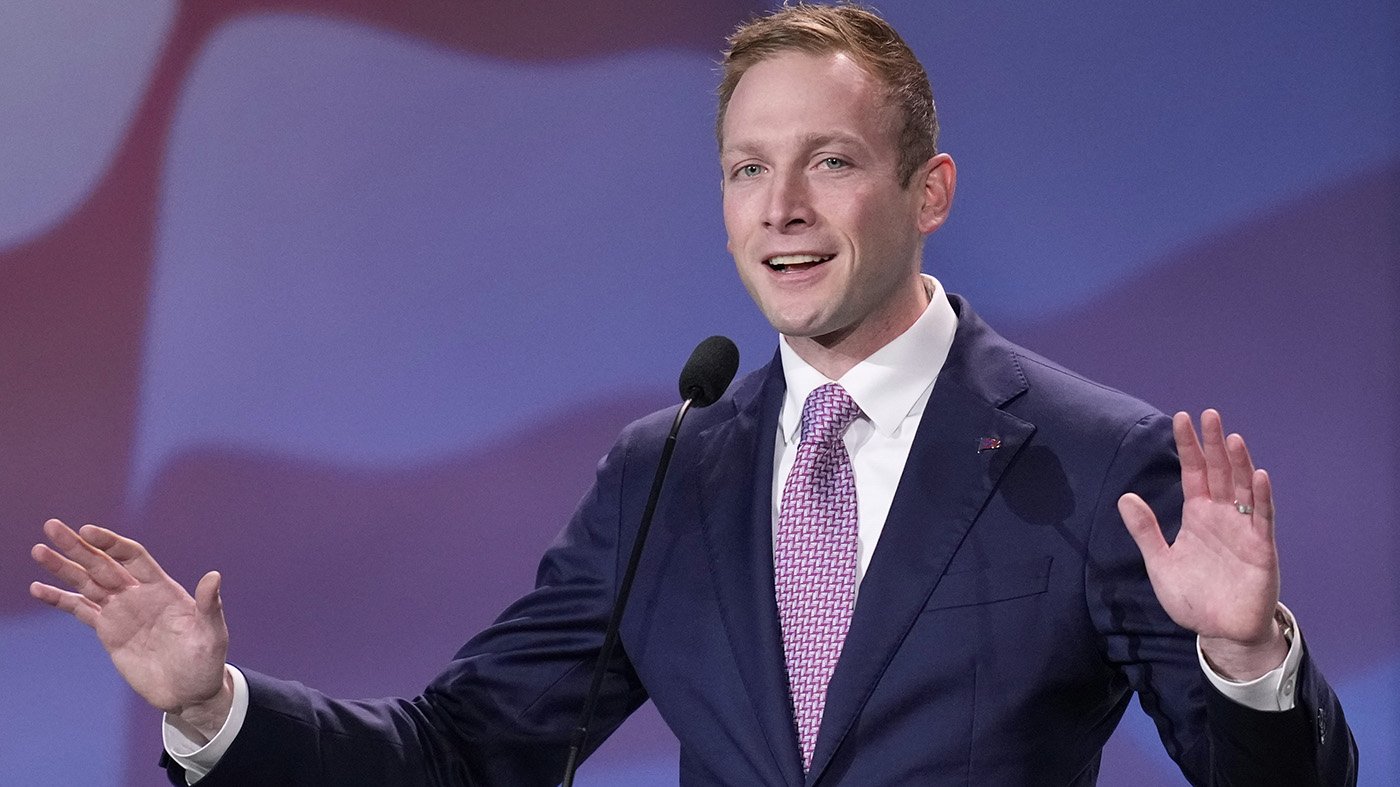
Miller, who is seeking a third term in a House district that leans Republican but is not a lock, is under intense pressure to withdraw from the race after his ex-wife, Emily Moreno, detailed a pattern of abuse in a New York Times report. She accused the congressman of scalding her chest with hot water, holding a gun to her head, and breaking their daughter's collarbone. Miller has categorically denied the allegations, but the controversy has already triggered an ethics investigation and a wave of calls for his resignation from within his own party.

The timing could not be worse for Ohio Republicans, who are also defending a Senate seat and the governor's mansion in what is shaping up to be a challenging cycle. Democrats, energized by a string of favorable polling and the Miller scandal, see an opportunity to make inroads in a state that has not voted for a Democratic presidential candidate since 2012.
Democrats see opening in red territory
Robert Alexander, a political science professor at Bowling Green State University, said the Miller controversy is a gift for Democrats. "In an environment where Republicans have been particularly strong in Ohio, this year's environment is going to be much more challenging for them, and this certainly doesn't help things," he said. "The more it's about Republicans, the better that Democrats will likely do."
A recent poll from co/efficient showed Miller trailing his Democratic opponent, Brian Poindexter, by 14 points in the 7th Congressional District. While GOP strategists dismiss the survey, the numbers have fueled speculation that the seat could flip, especially if Miller remains on the ballot.
Justin Buchler, an associate professor of political science at Case Western Reserve University, noted that the district is "Republican, but it's not so heavily Republican that a Democrat could never win." He drew parallels to the pressure campaign that forced Democrat Graham Platner to drop his Senate bid in Maine, saying there comes a point when the weight of allegations becomes too much to bear.
GOP leaders urge Miller to step aside
A growing chorus of Republican officials, including Sen. Bernie Moreno, Miller's former father-in-law, and Sen. Jon Husted, who is locked in a tight re-election fight, have called on Miller to resign. Moreno said the congressman needs "serious psychological help," while Husted urged him to "step aside as a candidate" and resign. House Speaker Mike Johnson has also cast doubt on Miller's future, telling reporters that the allegations are "serious" and that the congressman will have to "make a decision."
Miller, however, appears determined to stay the course. He has invoked President Trump's own legal battles as a precedent, suggesting that he can weather the storm. Trump reportedly called Miller on Monday to discuss the race, though the president's public statements have been muted.
The House Ethics Committee announced an investigation into the allegations of domestic violence and possible drug use, after Miller said he had "nothing to hide." The committee's probe adds another layer of uncertainty to an already volatile situation.
Democrats seize on the scandal
National Democrats are wasting no time in using the Miller affair to attack vulnerable Republicans across the country. Viet Shelton, a spokesperson for the Democratic Congressional Campaign Committee, said in a statement: "Every single vulnerable Republican who has coddled and stood by these creeps should be ashamed of themselves."
Mehek Cooke, an Ohio Republican strategist, acknowledged that Miller has become "an unnecessary distraction" for the party. "Republicans should take this race seriously [and] put forward candidates who reflect our values and keep the focus on delivering results," she said, adding that she believes the district will remain red if a suitable replacement is chosen.
But the clock is ticking. An Aug. 10 deadline looms for Miller to withdraw, after which the state GOP would be able to select a new nominee. If Miller stays in, Buchler warned, he would be "damaged by the allegations, and in some ways damaged by political leaders in the state coming out against him."
The broader implications for Ohio are significant. The state, once a bellwether in national elections, has tilted sharply Republican in recent years, but the Miller scandal, combined with a competitive Senate race and an open governor's seat, could give Democrats a foothold. As Buchler put it, "Ohio leans Republican, but it is not a solidly Republican Deep South state. This is a midterm, which means that elections nationwide are going to move towards the party out of the White House, that's the Democrats."