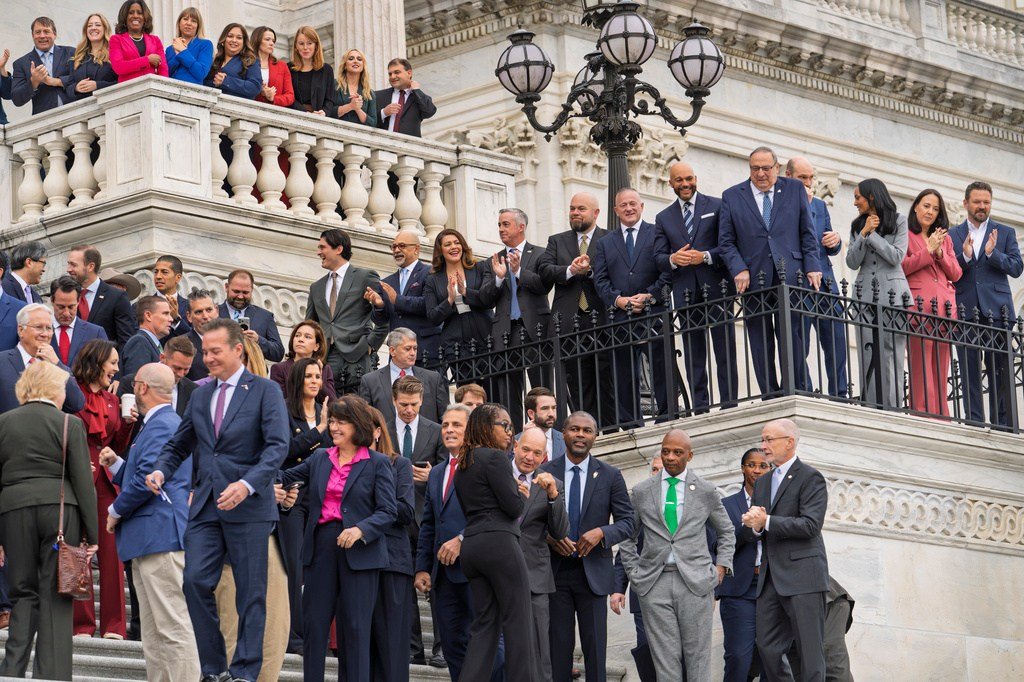
The Nov. 3 midterm elections delivered a decisive Democratic wave, but the question now is whether the incoming Congress can translate that mandate into meaningful action or merely offer the illusion of progress. As the first-century Roman writer Gaius Petronius Arbiter warned, change for its own sake can be a hollow pursuit.
In the weeks since the election, both parties have engaged in internal soul-searching and leadership contests that have revealed more continuity than transformation. House Republicans made one notable shift, electing Rep. Jim Jordan of Ohio as their new minority leader, ousting incumbent Steve Scalise. Jordan, a combative conservative and close Trump ally, has signaled his top priority will be shielding the president from the barrage of investigations Democrats have promised to launch.

House Democrats, meanwhile, reelected Hakeem Jeffries as their leader by a secret ballot vote of 251 to 11, with other incumbents moving up the ladder unopposed. The party’s legislative agenda is expected to focus on healthcare reform, immigration changes, tariffs, and winding down the Iran war, though specifics remain vague.
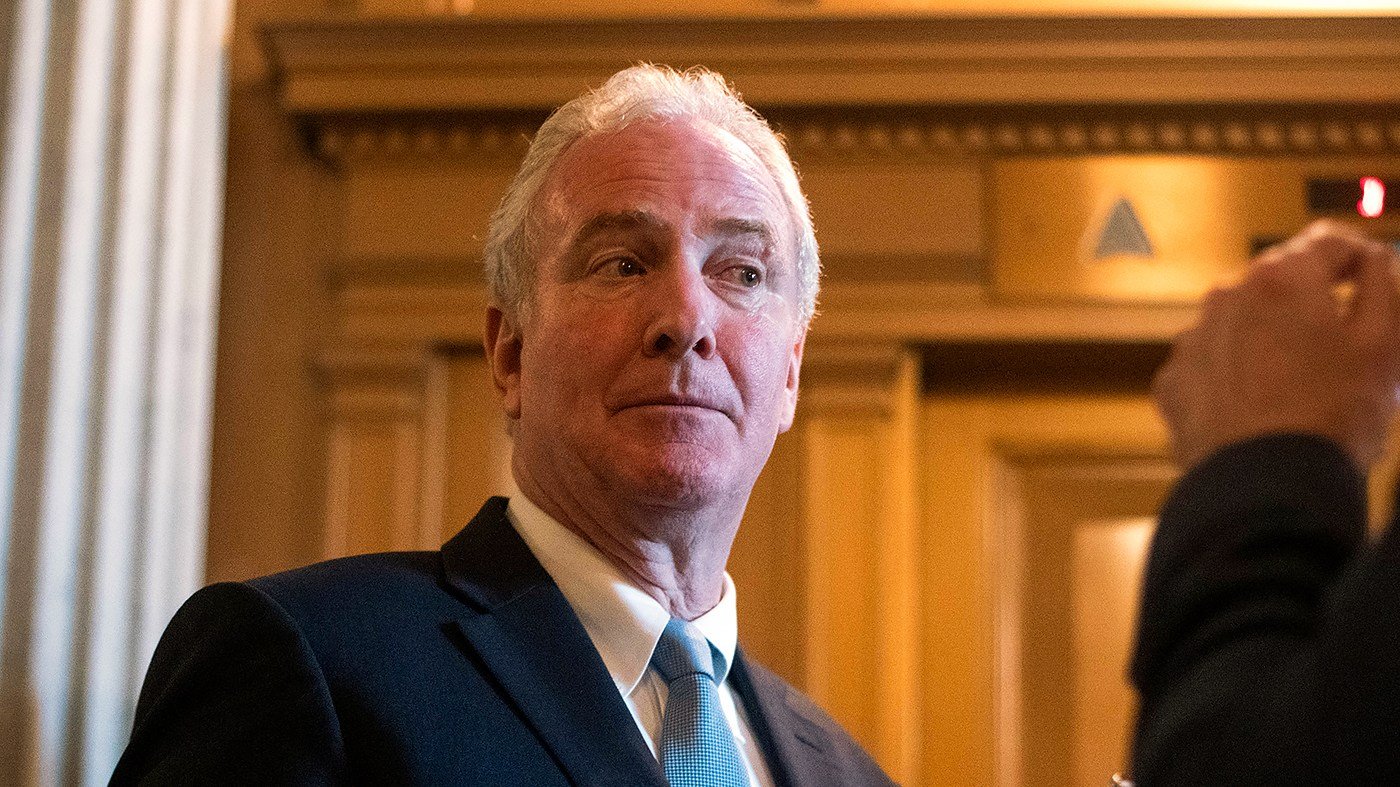
In the Senate, Republican leader John Thune was reelected without opposition after a day of heated caucus meetings. Senate Democrats have postponed their leadership vote until Dec. 1, with Sen. Chris Van Hollen of Maryland challenging incumbent Chuck Schumer for the majority leader post. Van Hollen argues it’s time for a new generation, while Schumer points to his success in winning the majority. As Sen. Angus King of Maine put it, “Why would you fire the manager when you just won the World Series?”
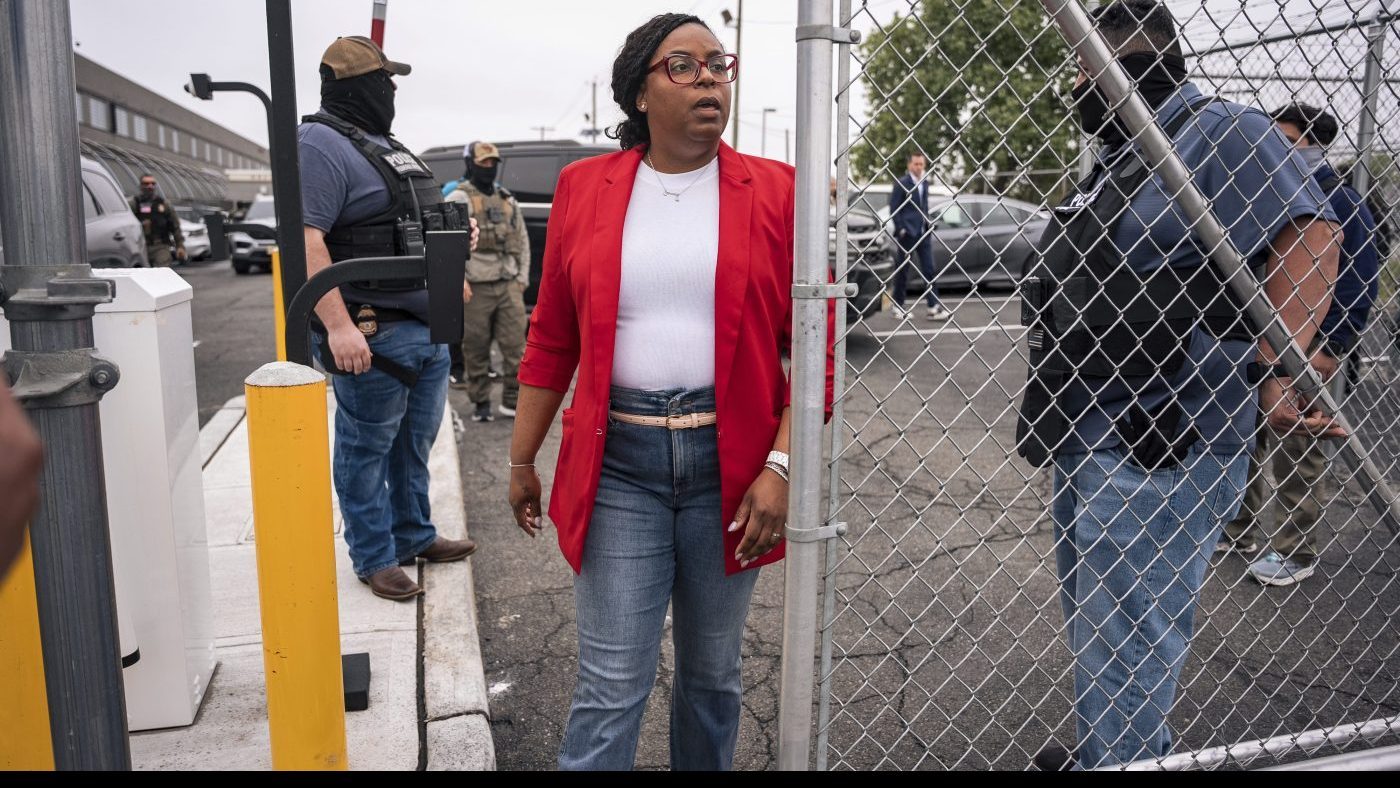
Democrats are also gearing up for a series of investigations into the Trump administration. Rep. Robert Garcia of California, the prospective chairman of the House Oversight Committee, has advised the president and his cabinet to “lawyer up.” The White House has reportedly added 15 lawyers to its counsel’s office in anticipation of a flood of subpoenas.
The immediate test for Congress is the appropriations process. All 12 spending bills remain unfinished, funded by a continuing resolution that expires on Dec. 11. Lawmakers face three options: an omnibus package, another short-term CR, or a government shutdown. The latter would echo the embarrassing closure of last year and undercut any claim of real change.
As the new Congress prepares to convene, the GOP’s 2028 calculus is already shifting, with some Republicans blaming Trump for the losses, while others urge the party to refocus on economic issues. The Federalist Society is also confronting the implications of a Democratic House for judicial appointments.
With permitting reform and other bipartisan efforts still pending, the coming weeks will test whether the new majority can deliver on its promises or fall into the trap of motion without progress.