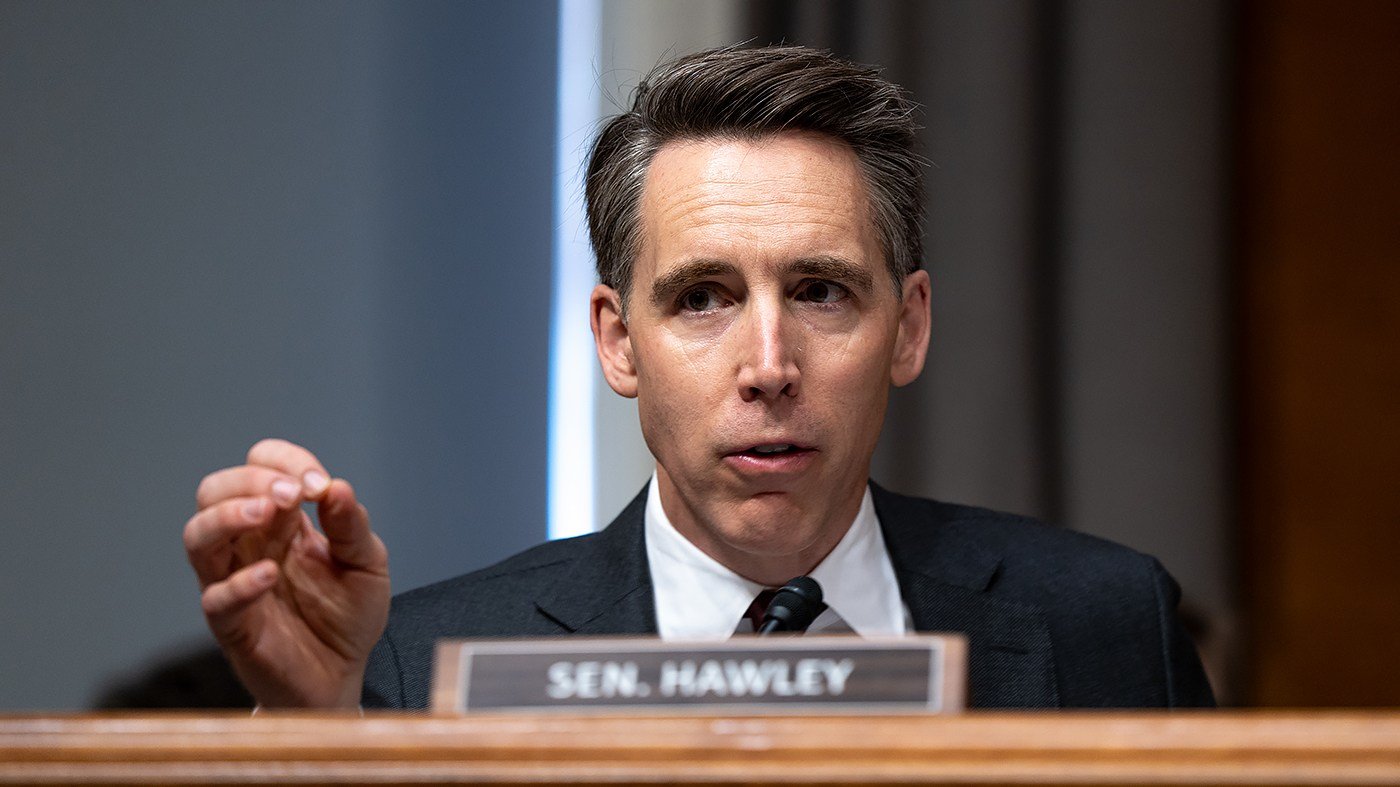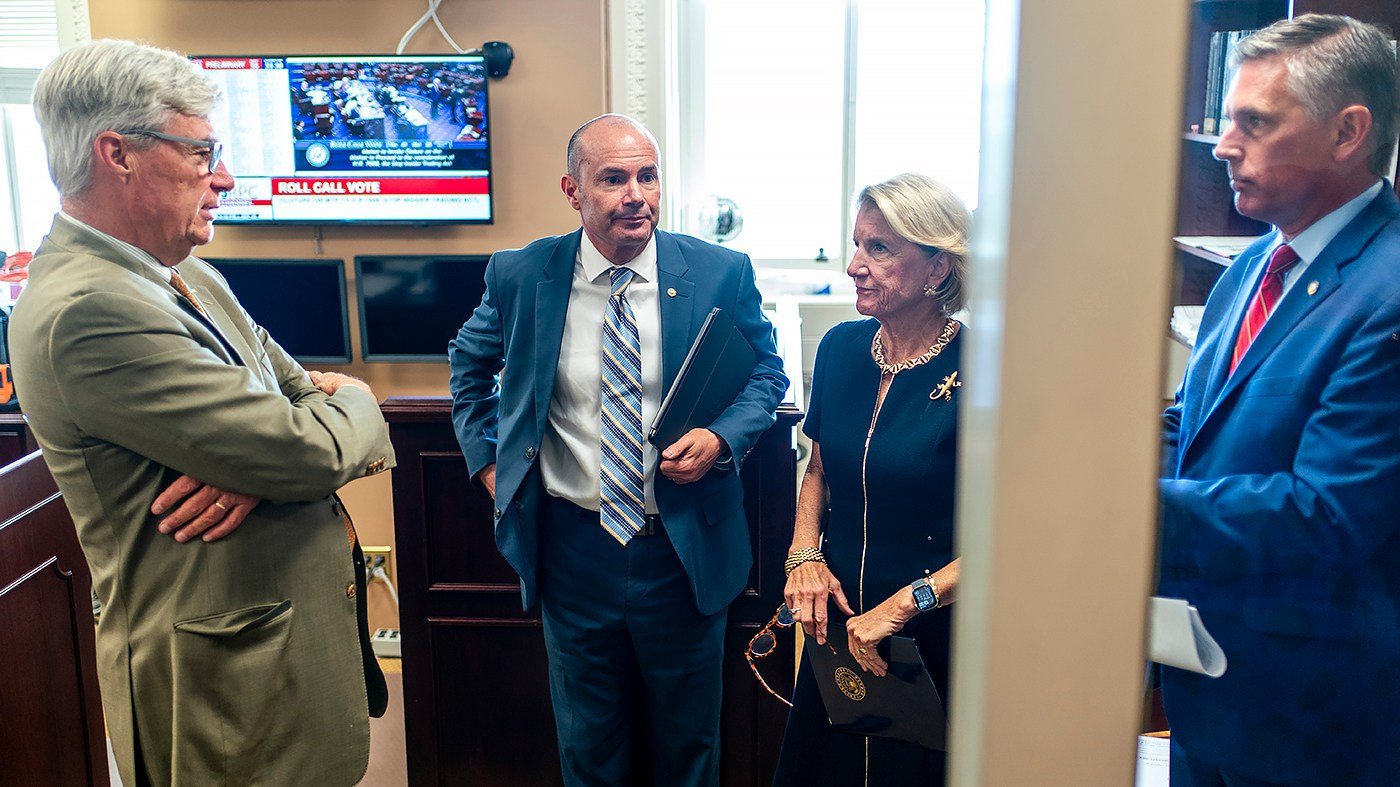
The Republican Party is reeling from a devastating midterm cycle that handed Democrats commanding majorities in both chambers of Congress, and the political fallout is already reshaping the contours of the 2028 presidential race.
In private conversations and public forums, GOP strategists and donors are wrestling with a fundamental question: should the party's rising stars wait until 2032 to make their move, given the current political headwinds? The Democratic landslide has left the party in a defensive crouch, with many operatives believing that a 2028 bid could be a suicide mission against a still-popular Democratic base energized by their recent victories.
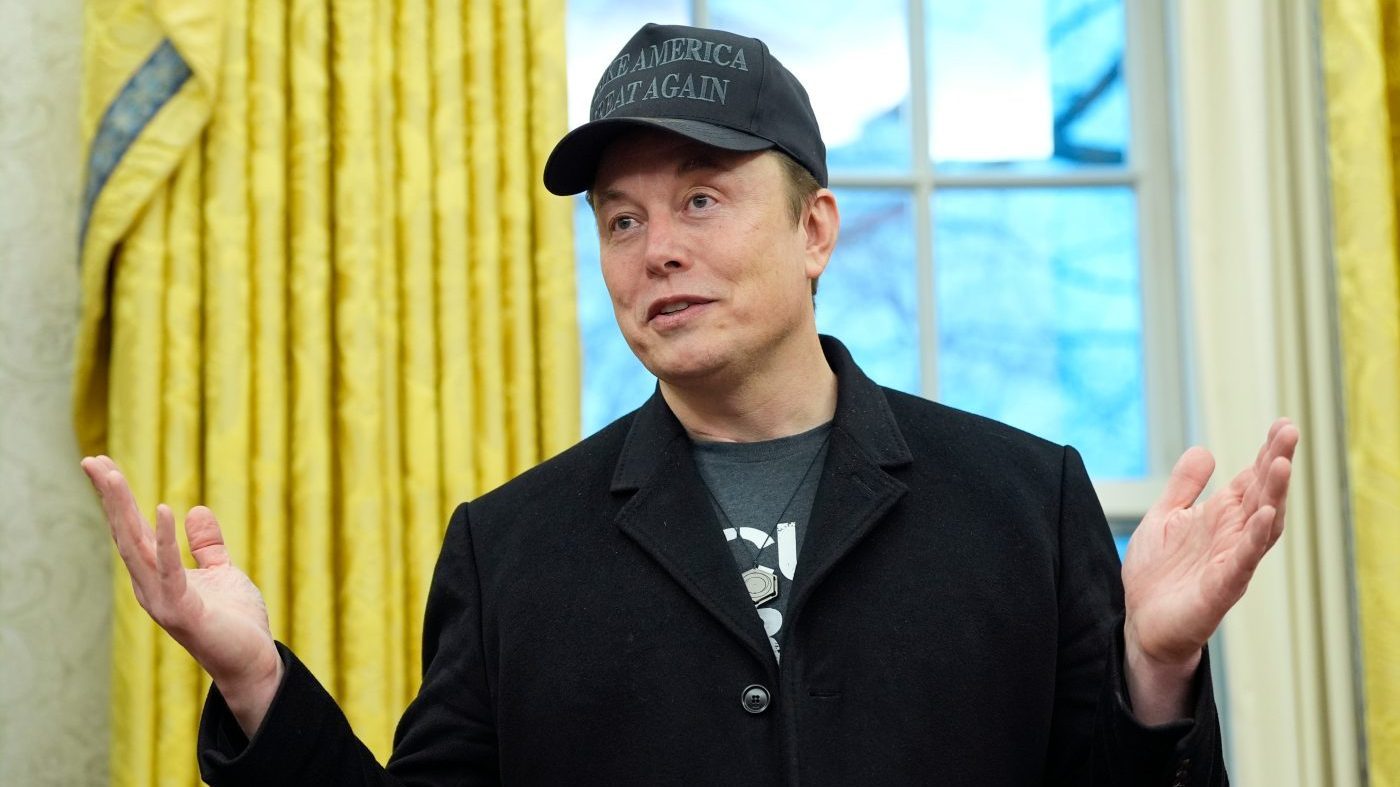
At the center of this uncertainty is Vice President Vance. While he remains the most obvious standard-bearer for the Trump wing of the party, his prospects are now clouded by the midterm disaster. Some insiders question whether he can escape the shadow of the administration's failures, while others argue that he is the only figure with enough name recognition and base support to mount a serious challenge. The dispute over the Iran war explanation has only added to the internal friction, with former Vice President Pence publicly rejecting Vance's narrative of why the GOP lost so badly.
The midterm post-mortem has exposed a deep divide within the MAGA movement, as loyalists clash over strategy and blame. The GOP's failure to mobilize early voters, as highlighted in a new analysis, contributed to the rout, and the party is now grappling with how to rebuild its ground game. Meanwhile, attacks on California Governor Gavin Newsom—long a favorite target for Republican fire—failed to land with voters, a sign that the party's message may be out of step with the electorate's priorities.
On the Democratic side, the 2028 field is already taking shape, with several prominent figures jockeying for position. The blue wave that reshaped the electoral map has given Democrats a sense of momentum, and potential candidates are eager to capitalize on the party's newfound strength. The conversation is no longer about whether Democrats can win, but rather who can best sustain the coalition that delivered such decisive victories.
For Republicans, the path forward is murky. Some strategists argue that sitting out 2028 is the smart play, allowing the party to rebuild and regroup while Democrats grapple with the inevitable challenges of governing. Others insist that the GOP must field a credible candidate to keep the opposition honest and to begin the long process of winning back the electoral map that has shifted dramatically against them.
The debate over Vance's future is emblematic of the broader uncertainty. He has not committed to a run, and his allies are divided on whether he should. Some believe that a 2032 bid would give him time to distance himself from the current administration's unpopularity, while others worry that waiting would cede the field to other ambitious Republicans.
As the party sifts through the wreckage of the midterms, the only certainty is that the next few years will be a period of intense introspection and strategic recalibration. The decisions made now will determine whether the GOP can recover from its worst electoral performance in a generation, and whether the 2028 race becomes a referendum on the Democrats' governance or a Republican comeback story.