Five months after Iranian Revolutionary Guard Corps operatives were foiled in a plot to assassinate Israel's ambassador in Mexico City, the Mexican government continues to withhold formal terrorist designations for Iran's proxy networks. This stance places Mexico at odds with a sweeping regional realignment across the Americas that has seen nations from Argentina to Costa Rica sever ties and impose sanctions on Tehran and its allied militias.
A Regional Realignment Against Tehran
Since the outbreak of renewed conflict in the Middle East, Latin American capitals have largely closed ranks against Iranian influence. Multiple governments have captured alleged Hezbollah operatives, expelled Iranian diplomats, and severed military agreements. Notably, Argentina expelled Iran's top diplomat and designated the IRGC as a terrorist organization, while Costa Rica issued sweeping designations against Hezbollah, Hamas, the IRGC, and the Houthi militia. Ecuador and Paraguay have taken similar steps, with Paraguayan President Santiago Peña offering unequivocal support for the US and Israeli position.
This shift represents a dramatic departure for a region that once welcomed Iranian diplomatic and military outreach. The change follows what analysts describe as a reformed US strategy in the hemisphere, a hardened American posture toward Iran that has reshaped alliances. Bolivia, after ending two decades of socialist rule, has reestablished relations with Israel, canceled a military pact with Iran, and reactivated cooperation with US agencies like the Drug Enforcement Administration. Even Venezuela, Iran's staunchest South American ally, has shown signs of distancing itself, briefly issuing then retracting a statement of solidarity with Tehran.
Mexico's Contradictory Position
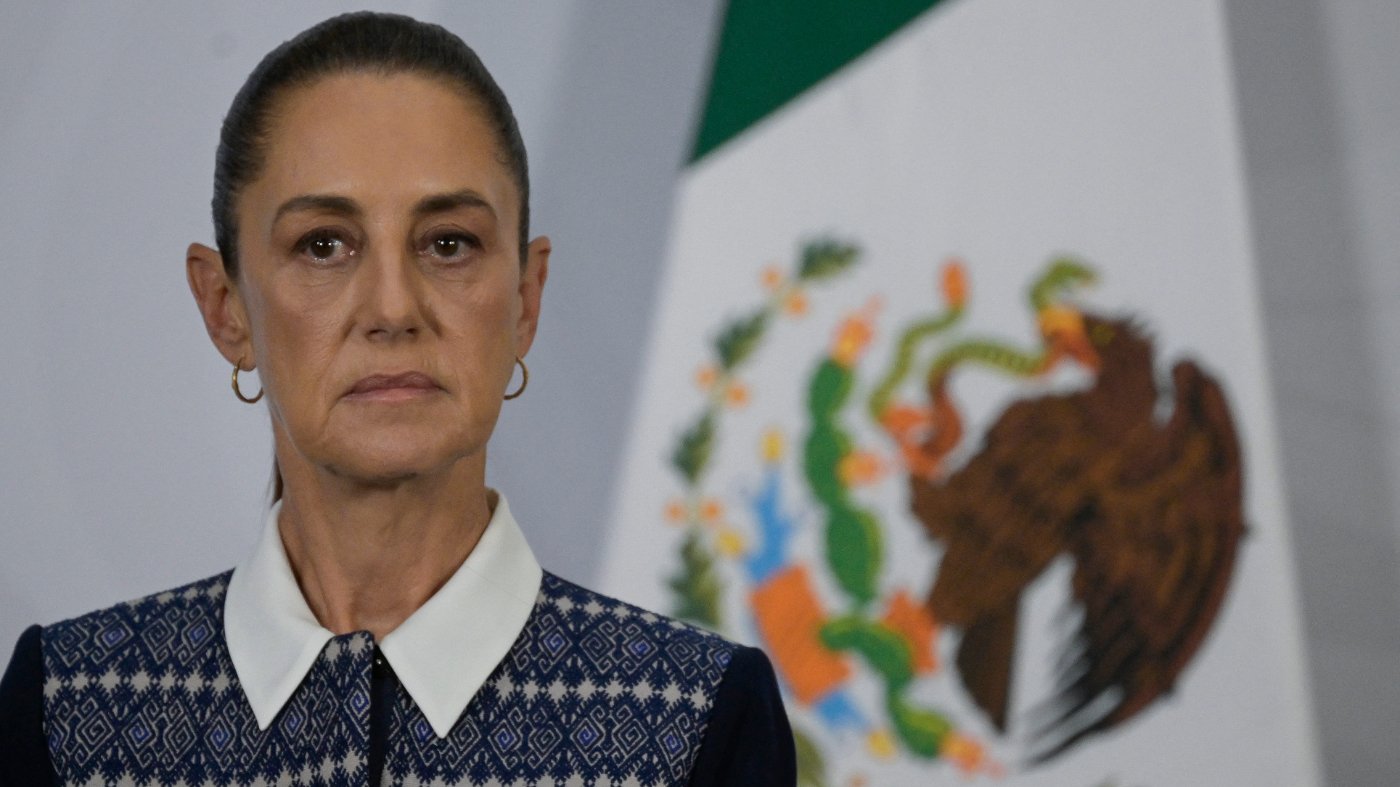
Against this backdrop, Mexico's position appears increasingly isolated. The government of President Claudia Sheinbaum has not only declined to designate Iranian-backed groups but has also aligned its foreign policy with the more radical stances of Colombia and Brazil, governments that have accused Israel of genocide and condemned US military actions. Mexico has further signaled its alignment by planning to participate in a Summit for Democracy alongside nations maintaining hardline positions against Israel.
Security concerns are mounting. Reports indicate the Iranian embassy in Mexico City operates as a propaganda hub targeting the US and Israel, potentially violating diplomatic protocols. More alarmingly, data shows a record influx of over 1,200 Iranian nationals entering Mexico in just the first two months of this year, a figure triple that of the same period in 2025. This occurs as Mexico continues to refuse certain forms of US security assistance, creating a complex paradox for its northern neighbor. This dynamic is part of a broader pattern of challenging security partnerships, similar to tensions seen in other theaters like the US Southern Command's operations in the Eastern Pacific.
The "New Monroe Doctrine" and Its Impact
Observers attribute the regional about-face to the so-called "Donroe Doctrine," a Trump-era corollary to the Monroe Doctrine that has fundamentally altered the hemisphere's approach to Iran. The doctrine's emphasis on "peace through strength" has yielded tangible, coordinated results, effectively making the Iranian regime persona non grata across much of the Western Hemisphere. This strategic shift has forced nations to choose sides, with most opting for closer alignment with Washington.
Mexico's resistance to this trend underscores its role as what analysts call "a great but complicated partner." Its refusal to act against Iranian proxies, coupled with its rejection of US help against drug cartels, presents a persistent diplomatic and security challenge. This internal tension is mirrored in other policy areas, where domestic priorities like the Yucatan tourism boom can create economic divides that complicate governance.
The cumulative effect of Latin America's collective action marks an unprecedented isolation of Iran in a region it once cultivated. For the United States, the success of this regional strategy is tempered by the significant exception of its largest trading partner. Mexico's stance ensures that the Iranian threat, while diminished, retains a potential foothold in North America, guaranteeing that Tehran's influence will remain a contentious issue in US-Mexico relations for the foreseeable future.