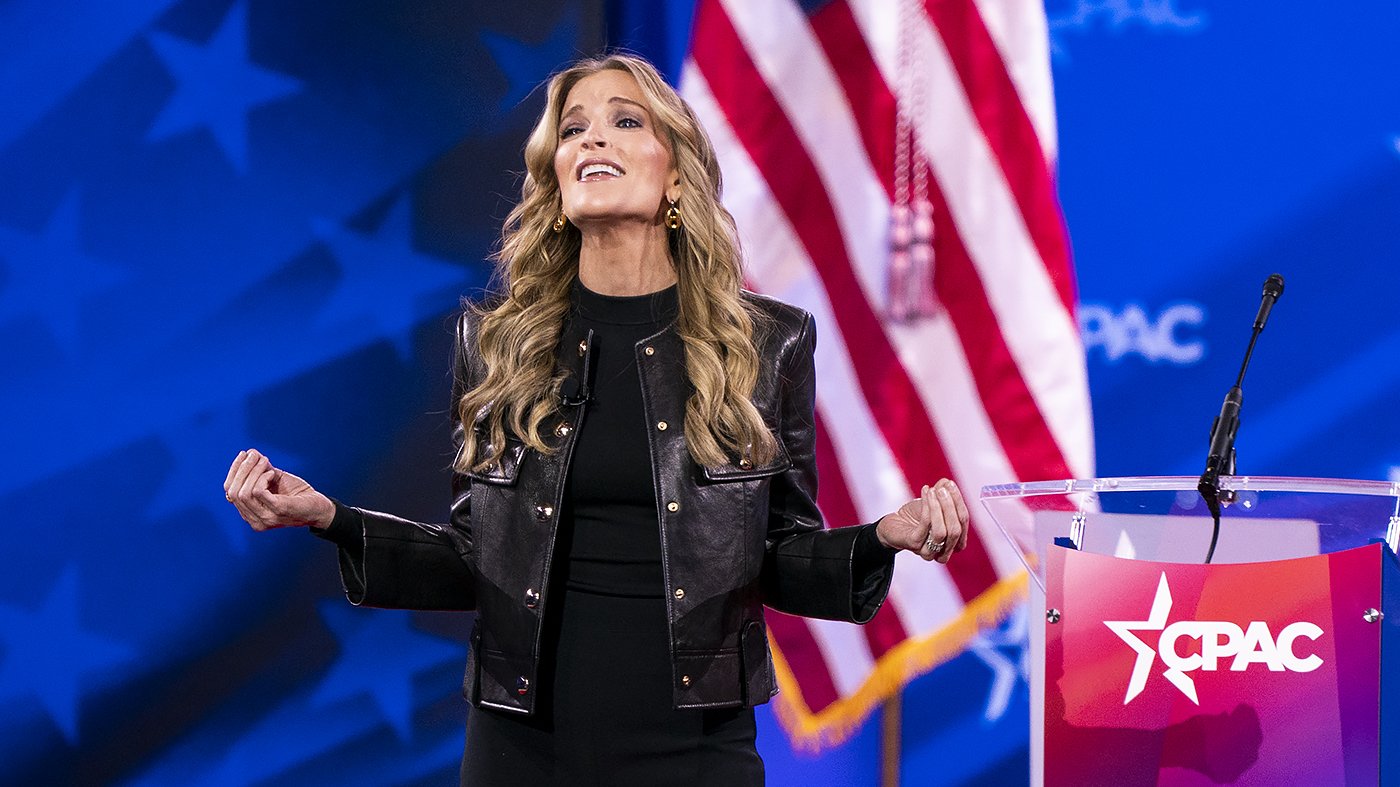
Conservative commentator Megyn Kelly issued a sharp rebuke on Friday, targeting prominent figures on the political right she accuses of aggressively pushing President Trump into military confrontation with Iran. Kelly called for specific accountability, questioning who advised the president and what assurances were given as the conflict faces mounting domestic and international challenges.
"As this situation deteriorates, we must identify precisely who persuaded him and what arguments were used to present this as a sound strategy," Kelly stated. She emphasized that with the president's poll numbers declining sharply, those who championed the hawkish approach should be held responsible.
Key Figures Named in Critique
Kelly identified several influential voices she holds partly responsible. She named Israeli Prime Minister Benjamin Netanyahu as a primary instigator "first and foremost," and placed equal blame on Senator Lindsey Graham (R-S.C.). Beyond elected officials, she criticized media personalities, accusing conservative podcaster Ben Shapiro of "pushing this war" on his program and labeling radio host Mark Levin as "chief among" the right-wing advocates for strikes against Iran.
"There were very prominent activists on the right who were frothing at the mouth for this thing," Kelly said. "And now that it's not only going poorly, but the president's poll numbers are in a precipitous free fall, we'd love to see some accountability. Who? Who promised him what?"
Conflict Context and Economic Fallout
The U.S. and Israel initiated joint strikes against Iranian targets one month ago, operations that resulted in the deaths of senior Iranian officials. Initial support for the military action has eroded significantly as the global economy feels the strain. The conflict has driven up prices for crude oil and gasoline, and contributed to rising U.S. mortgage rates, creating a complex political problem for the administration.
In response to these economic pressures, the Trump administration has taken several steps, including temporarily lifting sanctions on oil from Russia, Venezuela, and Iran, boosting domestic energy output, and tapping the nation's Strategic Petroleum Reserve. These moves highlight how the administration's wartime leadership is being tested by economic realities, shifting the focus from battlefield gains to homefront stability.
Diplomatic Efforts Disrupted by Renewed Strikes
A fragile diplomatic opening emerged this week as U.S. and Iranian officials engaged in talks through Pakistani mediators. President Trump pointed to a goodwill gesture from Iran, which allowed ten oil tankers safe passage through the critical Strait of Hormuz, calling it a "present." He announced a temporary halt to strikes on Iranian energy infrastructure, signaling a potential de-escalation.
However, this tentative progress was shattered on Friday by an Israeli strike on two Iranian facilities. Iran responded swiftly with a retaliatory missile attack on a U.S. base in Saudi Arabia, injuring at least ten American service members and demonstrating the conflict's rapid potential for escalation.
Regional Expansion with Houthi Involvement
The conflict expanded further over the weekend with the entry of the Iran-backed Houthi militant group from Yemen. The Houthis, who had previously threatened to intervene if the U.S. and Israel crossed specific red lines, launched a military strike against Israel. The Israeli government reported intercepting the attack without casualties. This development directly links the Yemeni civil war to the broader U.S.-Iran confrontation, creating a more complex and dangerous regional battlefield.
Kelly's critique arrives as the administration grapples with these layered crises—military, diplomatic, and economic. Her call for accountability reflects growing scrutiny over the decision-making process that led to open conflict, a scrutiny amplified by the rising domestic political cost seen in nationwide protests targeting the Iran policy. The situation underscores how advice from key allies and media figures can shape presidential decisions with profound and lasting consequences.