The resignation of former Congressman Eric Swalwell amid multiple sexual assault allegations has ignited a fierce debate about media credibility and journalistic priorities. Swalwell ended his gubernatorial campaign and left Congress after five women accused him of misconduct, including one who alleged he drugged and raped her.
An 'Open Secret' in Washington
What has drawn particular scrutiny is how many journalists and political insiders now describe these allegations as long-standing knowledge within Washington circles. Former Axios reporter Bethany Allen-Ebrahimian stated she first heard rumors about Swalwell's behavior in 2020, while California political observer Steven Tavares noted that Swalwell's conduct toward women was known within local Democratic circles shortly after his 2013 election to Congress.
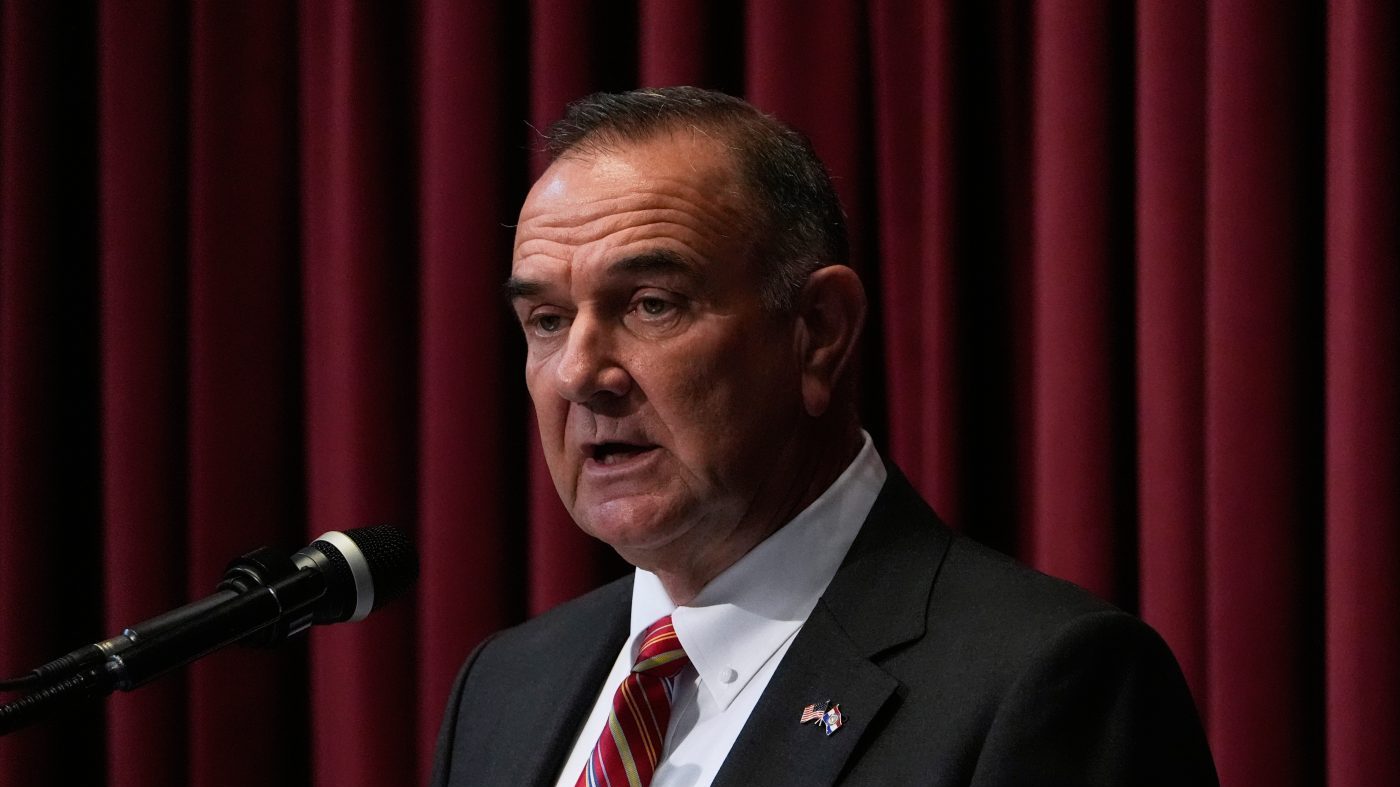
"Rumors about Eric Swalwell's sexual misconduct have swirled in D.C. for years," Allen-Ebrahimian said. She explained that while she passed tips to colleagues, she didn't pursue the story herself because it fell outside her specific reporting beat—a justification that has drawn skepticism from media critics.
Contrast with Previous Coverage
The case has prompted comparisons to how media outlets handled allegations against Supreme Court Justice Brett Kavanaugh during his confirmation hearings. Critics note that while news organizations exercised extreme caution with Swalwell, they gave extensive coverage to unverified claims against Kavanaugh. This perceived inconsistency has fueled accusations of partisan bias in political journalism.
CNN's 2017 reporting during the #MeToo movement highlighted the pattern. The network reported that "more than half a dozen interviewees independently named one California congressman for pursuing female staffers" but declined to identify the lawmaker or investigate further, citing unverified claims. That congressman is now known to have been Swalwell.
Pattern of Delayed Accountability
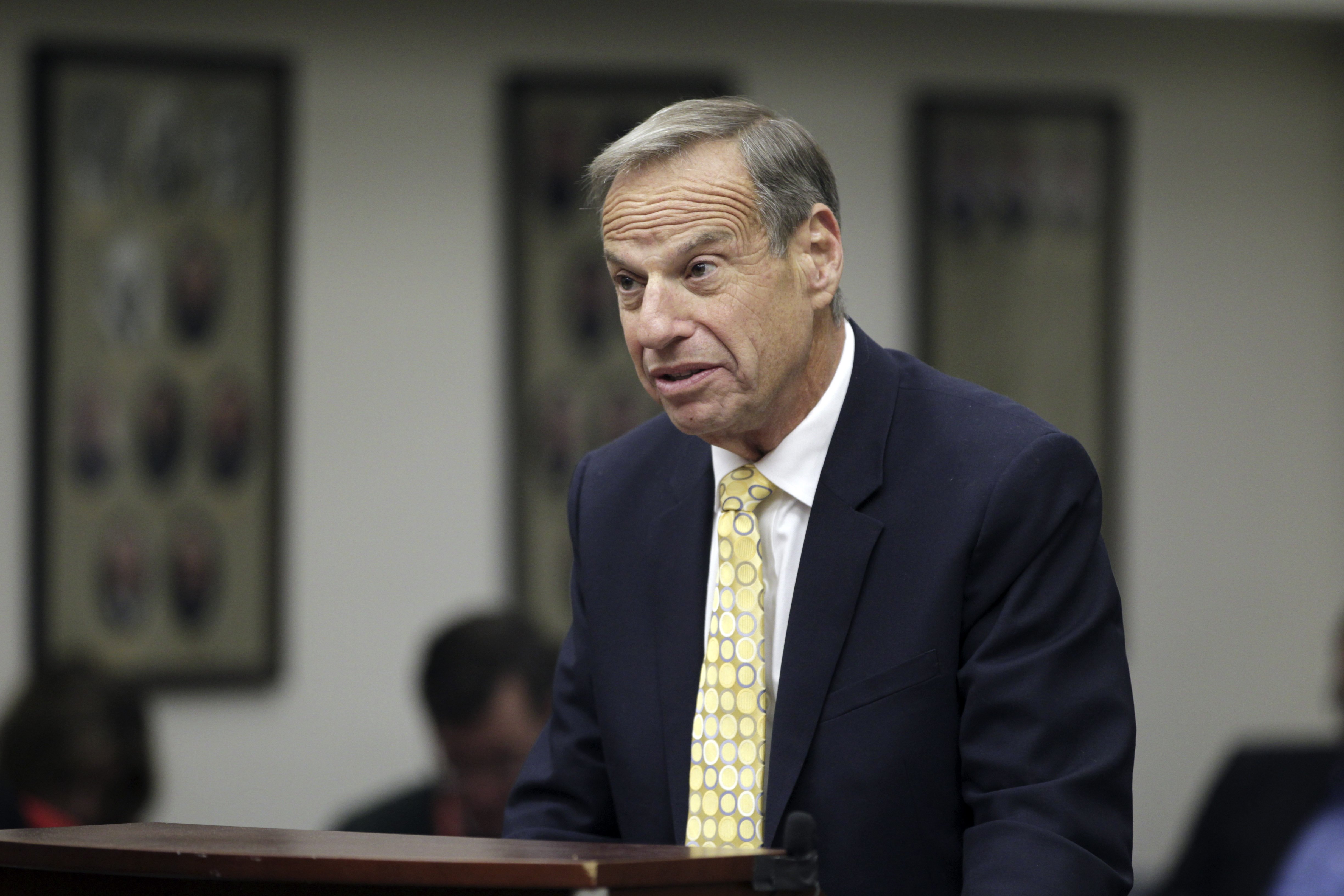
The Swalwell case follows a familiar pattern in political scandals. Similar dynamics occurred with former San Diego Mayor Bob Filner, whose misconduct was reportedly known for years before his resignation amid accusations from 17 women. The Swalwell resignation has exposed questions about Democratic complicity in ignoring allegations against party members.
Three of Swalwell's five accusers described experiencing "blackout" episodes during alleged assaults, with one stating, "I blacked out and he had sex with me." These accounts suggest a pattern of predatory behavior that persisted throughout Swalwell's seven terms in Congress and his 2020 presidential campaign.
Media Standards Under Scrutiny
Journalistic explanations for the delayed reporting have faced criticism. Allen-Ebrahimian's claim that she couldn't pursue the story due to beat restrictions contradicts standard journalism practice, where reporters routinely pursue significant tips regardless of formal assignments. Her previous reporting on Swalwell's relationship with a Chinese spy demonstrates she had both access and interest in the congressman's activities.
The situation has broader implications for how political journalists operate. As federal authorities investigate the allegations against Swalwell, media organizations face questions about whether their caution serves professional standards or political considerations.
Broader Implications for Political Journalism
This controversy emerges amid ongoing debates about media reliability and partisan narratives. Similar discussions have surfaced regarding how political tensions are framed, as seen when political figures blame media narratives for exaggerating conflicts.
The Swalwell case represents more than one politician's downfall—it highlights systemic issues in political journalism. When significant allegations remain unreported for years despite being known within journalistic and political circles, it undermines public trust in media institutions and raises legitimate questions about whether different standards apply to different political figures.