New federal data released Wednesday confirmed what many Americans already felt: inflation is accelerating again. The Labor Department reported consumer prices rose 4.2% in May from a year earlier, the highest in three years, marking the third consecutive monthly increase.
Unlike recent spikes driven by grocery costs, this surge is led by energy. Fuel oil prices jumped 59% year-over-year, gasoline rose 41%, and airline fares climbed 27%. The Iran conflict and related supply disruptions are key factors behind these increases.
Seven Items Hit Hardest
- Fuel oil – up 59%
- Gasoline – up 41%
- Airline fares – up 27%
- Beef and veal – up 13%
- Tobacco and smoking products – up 8%
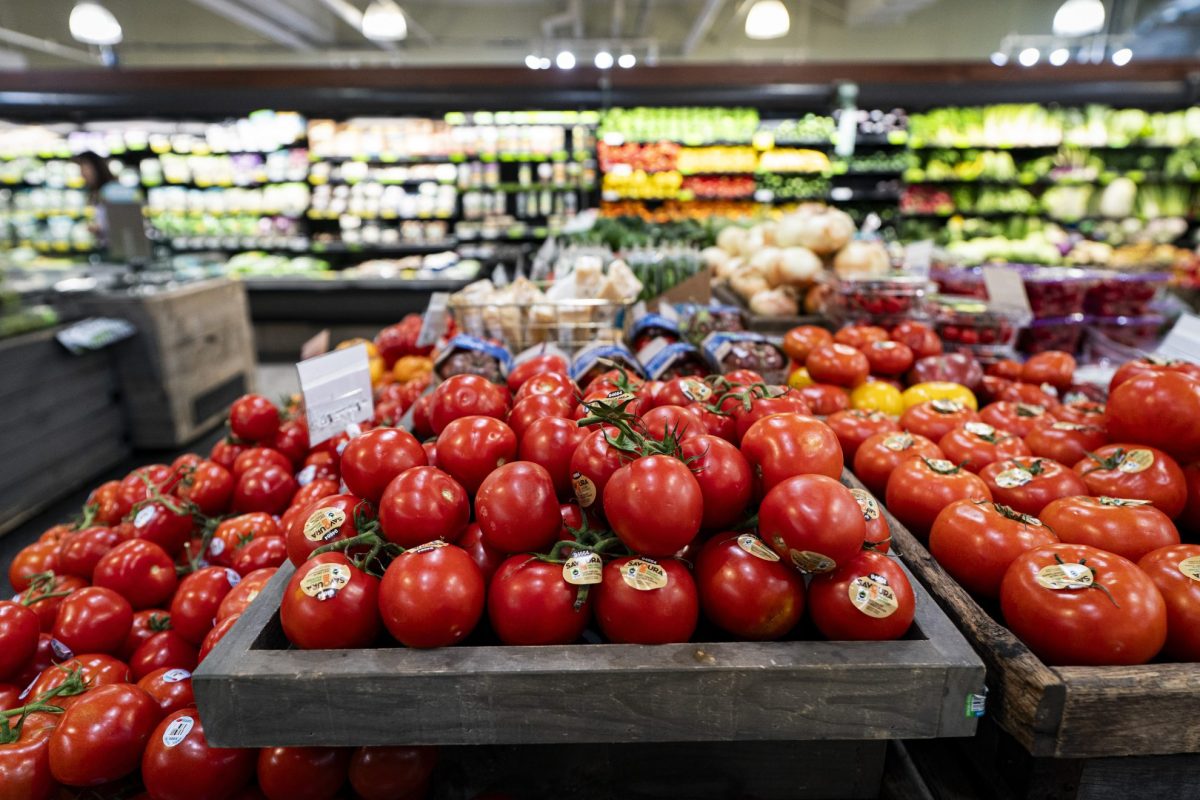
- Fruits and vegetables – up 6% (tomatoes alone up 32%)
- Tomatoes – up 32%
The cost of new and used cars remained flat or slightly lower than last spring, offering some relief. But food prices continue to climb. Beef and veal are up 13%, with the cattle industry facing new threats from the New World screwworm.
The connection to the Iran war is clear for energy, but less so for produce. However, much of the world's nitrogen fertilizer moves through the Strait of Hormuz, and the blockade has made farming more expensive.
Inflation now sits well above the Federal Reserve's 2% target, a level it has exceeded for over five years. New Fed chair Kevin Warsh will preside over his first policy meeting next week. The central bank is expected to hold interest rates steady but may drop language suggesting a future rate cut. Markets now anticipate a possible rate hike by year-end.
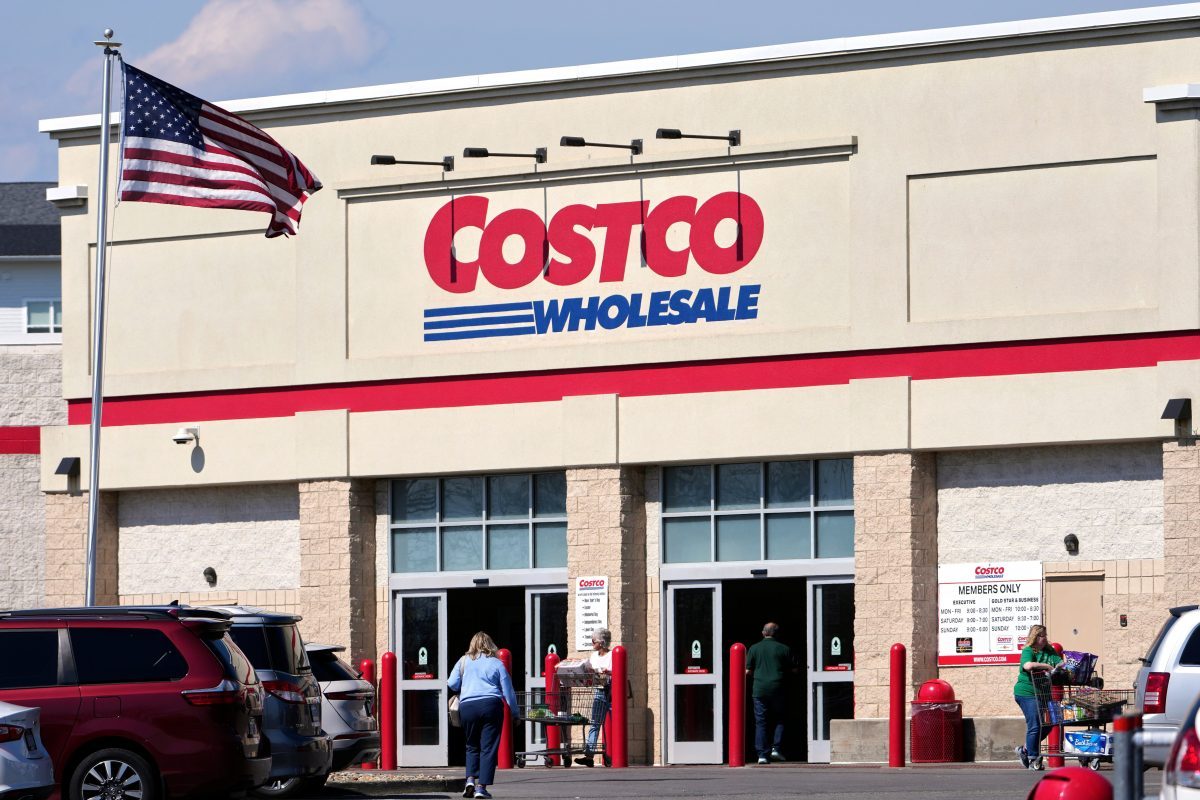
The White House has touted cost-cutting moves by retailers like Costco, but the broader trend remains troubling for consumers and policymakers alike.