A bipartisan coalition of lawmakers is calling on federal regulators to reject the $33 billion acquisition of power company AES, contending that the deal would drive up electricity rates for ordinary customers while enriching private equity investors and data center operators.
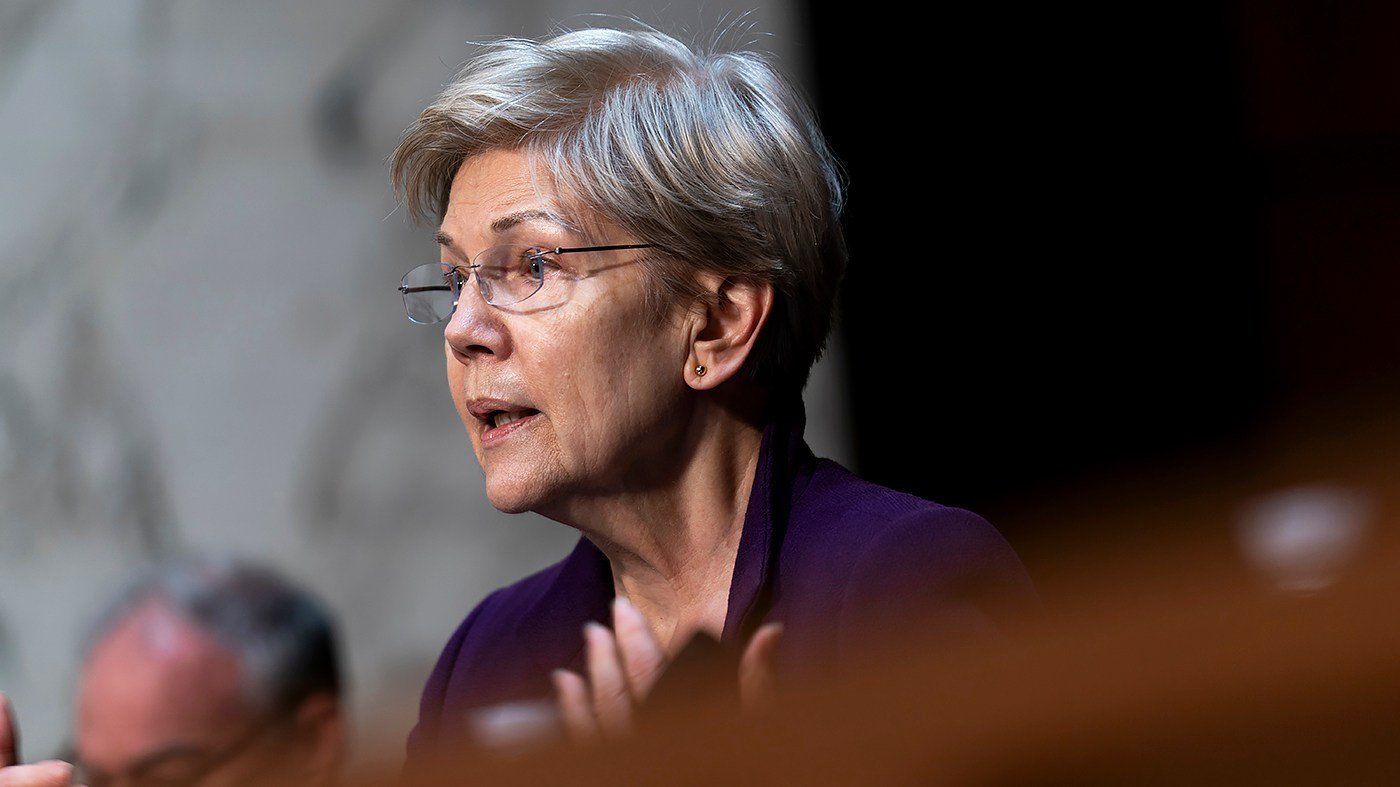
In a Sept. 28 letter to Federal Energy Regulatory Commission Chair Laura Swett, four members of Congress—Sen. Elizabeth Warren (D-Mass.), Reps. Andre Carson (D-Ind.), Victoria Spartz (R-Ind.), Rashida Tlaib (D-Mich.), and Ayanna Pressley (D-Mass.)—argued that the transaction does not serve the public interest. The letter was first reported by Reuters.
BlackRock’s Global Infrastructure Partners, private equity firm EQT, and other investors agreed in March to acquire AES in a deal valued at more than $33 billion, making it one of the largest power sector transactions in recent years.
“The private equity industry’s involvement in the public utility market has significant implications for consumers’ energy costs at a time when Americans are facing record high utility bills,” the lawmakers wrote.
The legislators warned that the acquisition could pressure AES to pursue higher returns, potentially leading to elevated electricity rates that would ultimately be borne by consumers. They pointed to Global Infrastructure Partners’ target returns of 15 percent to 20 percent, compared with a historical median of 10 percent for regulated utilities.
The group also flagged concerns about BlackRock’s investments in power infrastructure and data centers, which have proliferated across the country to support emerging artificial intelligence technology. Both sectors are driving much of the growth in U.S. electricity demand. “Even worse, if a data center fails, consumers may continue paying for the unnecessary upgrades via increased utility bills,” the letter reads.
AES pushed back on those concerns, saying in a statement to Reuters that the acquisition is not expected to affect rates at its regulated utilities. The publicly held company said customers at its electrical utilities in Indiana and Ohio would not pay costs associated with the acquisition, including the purchase premium or transaction expenses. AES also said the deal would improve its access to capital to invest in grid infrastructure.
Under the deal, which AES shareholders have approved, AES would become a privately held company. The transaction still requires FERC approval and is expected to close later this year or early next year.
The lawmakers’ intervention comes as Congress weighs broader energy permitting reforms. A bipartisan Senate deal to fast-track energy projects is already in motion, and a separate proposal would shift data center costs away from ratepayers. Meanwhile, concerns about AI’s energy footprint have prompted legislative efforts such as Rep. Liccardo’s bipartisan AI safety bill.
FERC’s decision on the AES acquisition will be closely watched as a test of how regulators balance private investment in critical infrastructure against consumer protection in an era of soaring electricity demand.