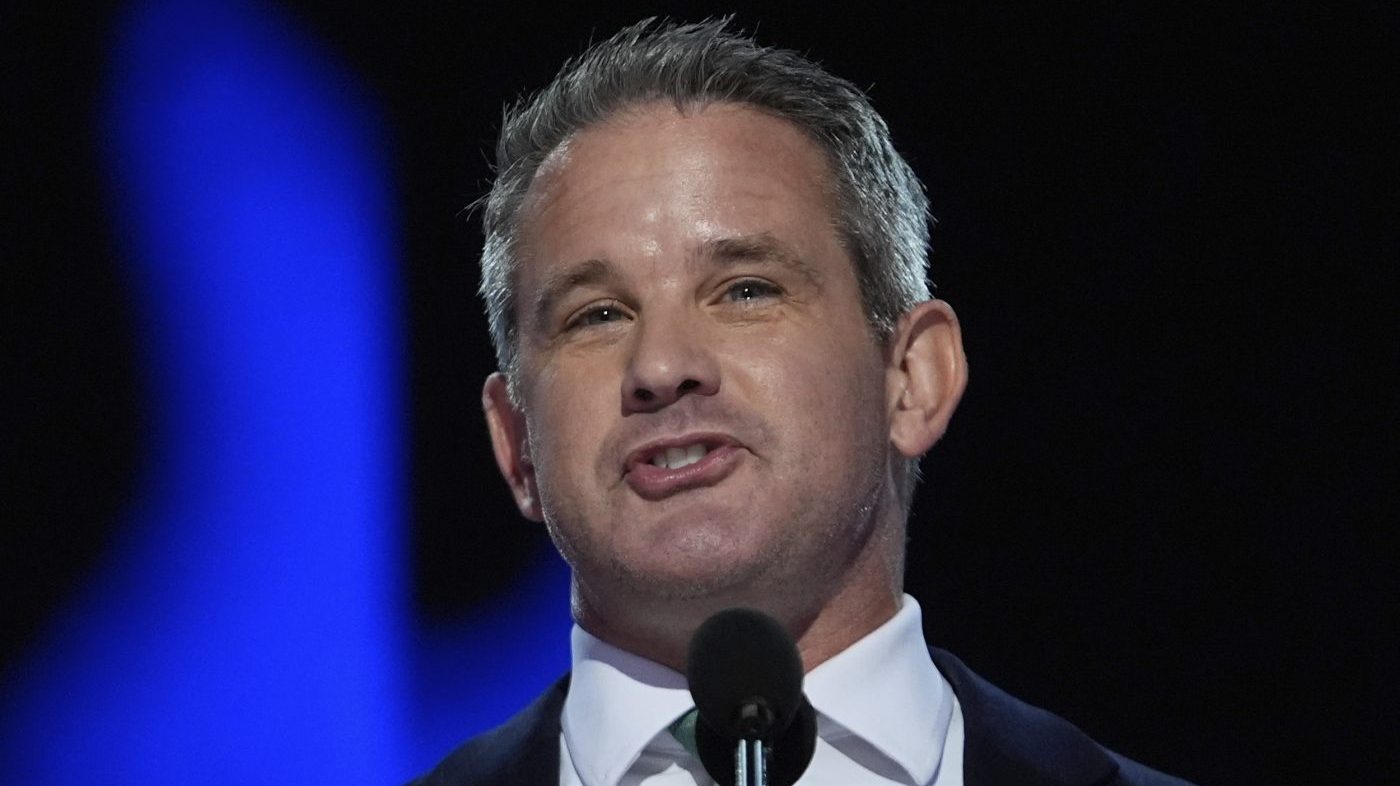
The Commodity Futures Trading Commission has opened an inquiry into former Representative Adam Kinzinger of Illinois over trades he placed on the prediction market platform Kalshi, which were linked to pardons issued by former President Biden. According to three people familiar with the matter, the account in question made a series of transactions between December 2024 and January 2025 wagering on whether Kinzinger would receive a presidential pardon.
Screenshots obtained by Decrypt show that Kinzinger made roughly $823 across about 25 trades, though he also sustained losses on some of his wagers. A source at Kalshi told The Hill that the company voluntarily reported the account and its trading activity to the CFTC, describing the probe as a routine compliance matter. The source added that Kalshi attempted to reach Kinzinger multiple times by phone and email regarding the investigation before notifying the CFTC.
Kinzinger, however, told Politico that he had never been contacted by either the CFTC or Kalshi about the inquiry. The former congressman, who left office in 2022 after deciding not to seek a seventh term, was among the ten House Republicans who voted to impeach Donald Trump for his role in the January 6 Capitol attack. He was later pardoned by Biden in early 2025, along with other members of the House select committee that investigated the insurrection.
In a statement to Politico, Kinzinger defended his trades, noting that he had been out of public office for two years and had no access to non-public information. He said he reviewed Kalshi's rules before placing any bets, which he understood to prohibit trading based on insider knowledge or attempts to influence outcomes. "I had never had a conversation with anyone about the pardons, much less anyone anywhere near the White House," he said.
Kalshi has previously cooperated with the CFTC on investigations involving potential insider trading, including flagging suspicious activity by a longtime teleprompter operator for President Trump. The company recently implemented new safeguards, such as blocking politicians, athletes, and other high-profile figures from trading in certain markets, and requiring users in some sectors to disclose their employers.
Kalshi declined to comment on the ongoing investigation, and the CFTC did not immediately respond to requests for comment. The development comes as Kalshi faces legal setbacks in other arenas, including a recent federal appeals court ruling that upheld state gambling regulations over the platform's objections.
The case also highlights the growing scrutiny of prediction markets in political circles. Lawmakers and regulators have raised concerns about the potential for insider trading and market manipulation, particularly as these platforms gain popularity. Kinzinger's situation underscores the ethical gray areas that can arise when former officials engage in such speculative trading.