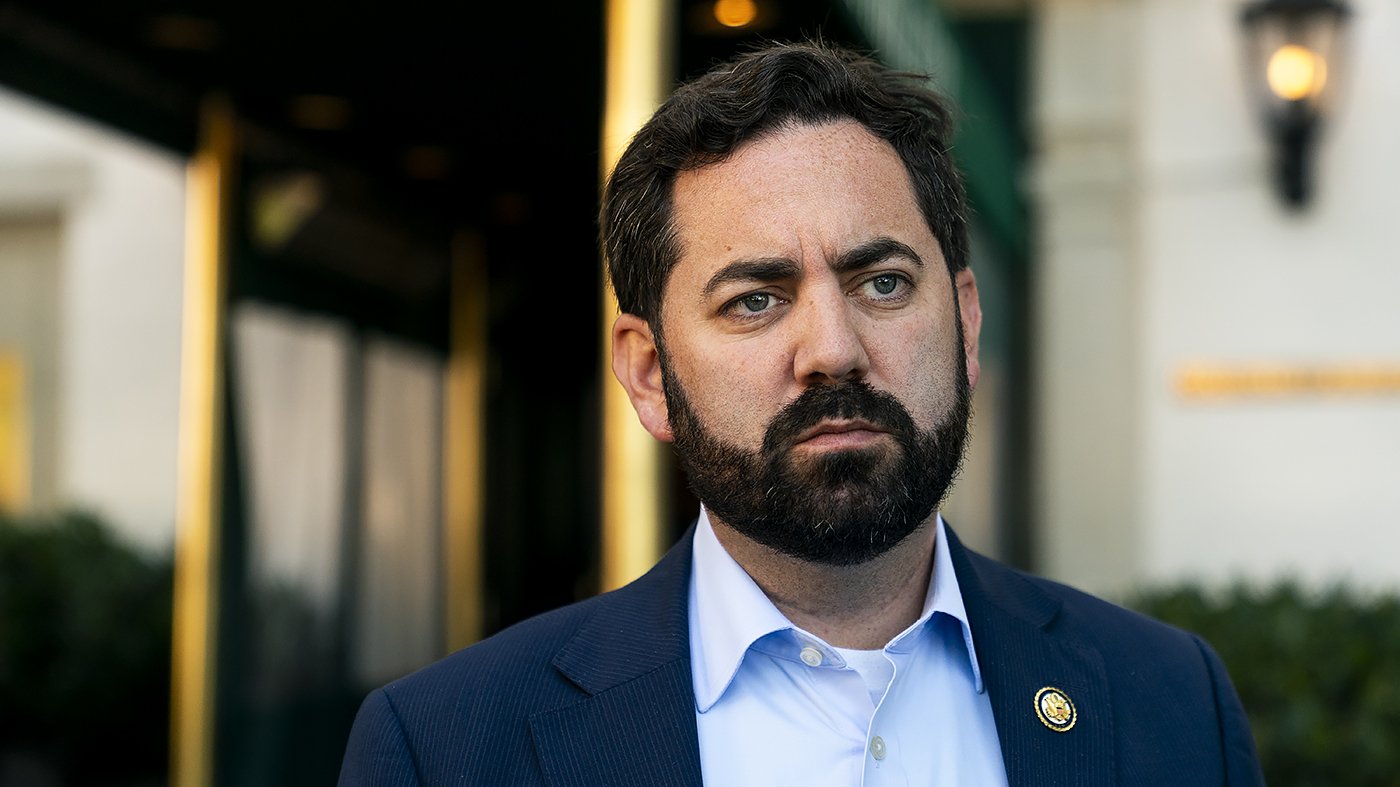
Representative Mike Lawler (R-N.Y.) stated Tuesday that the practice of “birth tourism” is a matter for Congress to handle, not something to be resolved through “executive fiat or judicial activism.” His comments came after the Supreme Court issued a decision blocking President Trump’s executive order that sought to restrict birthright citizenship.
The Court’s ruling, delivered with a 6-3 majority, affirmed that the 14th Amendment guarantees citizenship to nearly all children born on U.S. soil, including those whose parents are in the country without legal status. Chief Justice John Roberts sided with the Court’s three liberal justices, along with two other conservative colleagues, in rejecting the administration’s argument.
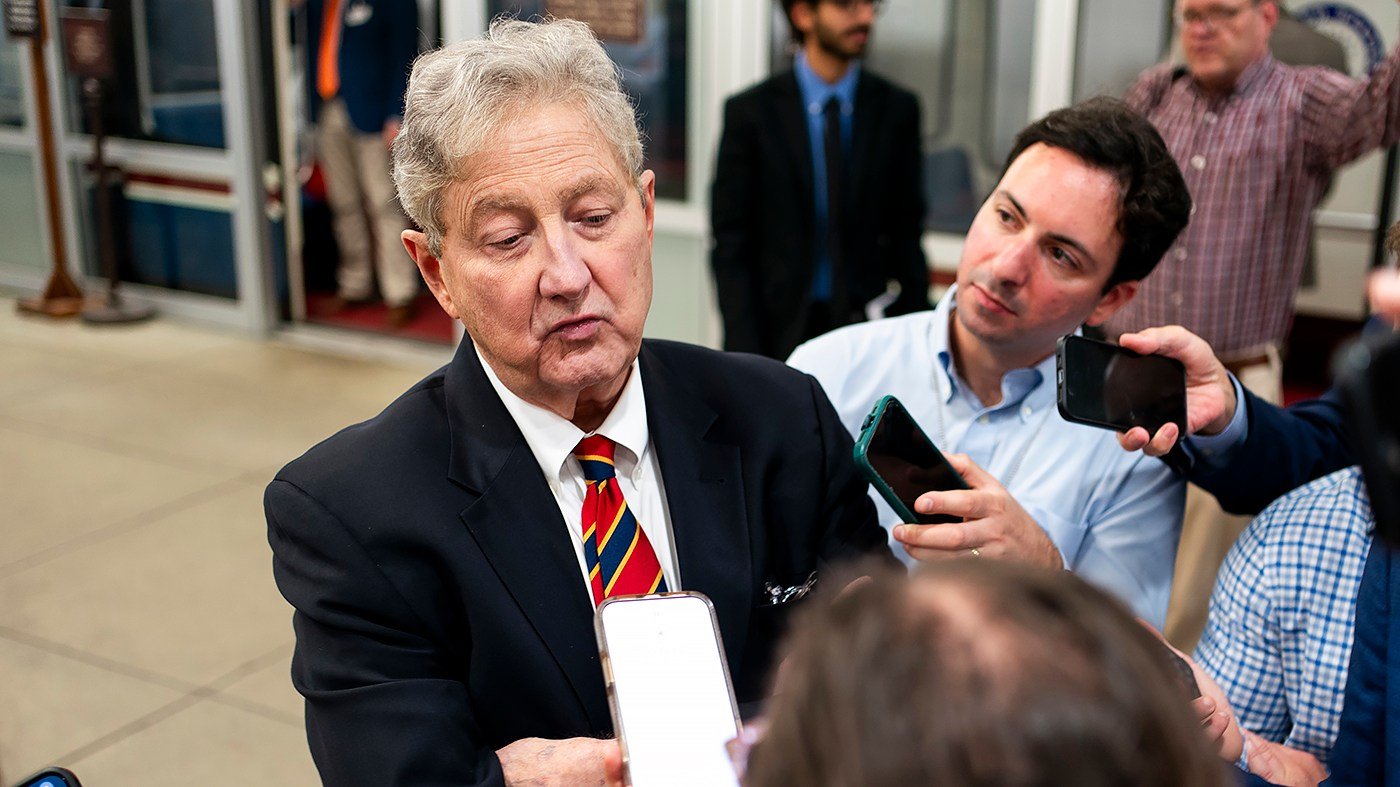
Lawler praised the decision as “well-reasoned and thought out on an issue that has been debated for decades,” according to a post on the social platform X. He emphasized that any change to the current interpretation would require a constitutional amendment, not unilateral action. “If Congress and the American people seek to change it, it will require a constitutional amendment and the overwhelming majority of Americans making that decision,” he wrote. “From my vantage point, the issue of ‘birth tourism’ is something to address, but through the legislative process, not by executive fiat or judicial activism.”
Chief Justice Roberts’ opinion noted the “trouble” with the president’s case, stating that “there is scant evidence for this dramatically revisionist view.” In dissent, Justice Clarence Thomas argued that the majority’s opinion “will stand the test of time” but warned it “devalues” American citizenship. The dissent from Thomas highlighted deep ideological divides on the Court over the meaning of the 14th Amendment.
Lawler was among several Republican lawmakers—many with legal backgrounds—who broke with Trump on the issue. They called for a constitutional amendment rather than an executive order. Senator Eric Schmitt (R-Mo.) echoed this sentiment, writing on X, “Ordinary legislation cannot repair the damage. A constitutional amendment is now required. Accordingly, I will be announcing a forthcoming constitutional amendment to restore the sacred bond between American citizens and their government.” This split within the GOP reflects ongoing tensions over immigration policy.
President Trump, however, rejected the need for a lengthy amendment process. In a post on Truth Social, he urged Congress to act immediately: “No long and unwieldy Constitutional Amendment is necessary! Congress should start TODAY to work on ending expensive and unfair to our Country, Birthright Citizenship. They will have my Complete and Total Support!” Trump had ordered on the first day of his second term that birthright citizenship would only apply if at least one parent was a citizen or permanent legal resident.
The challenge to Trump’s executive order led to a historic moment when the president attended oral arguments at the Supreme Court in April—a first for a sitting president. He had frequently predicted his case would fail. Tuesday’s decision marks one of the most significant judicial setbacks to Trump’s broader crackdown on undocumented immigration.
As the political fallout continues, Trump has vowed a legislative push to change the policy, though the path through Congress remains uncertain. The ruling solidifies the 14th Amendment’s protections for birthright citizenship, a principle that has been settled law for over a century.