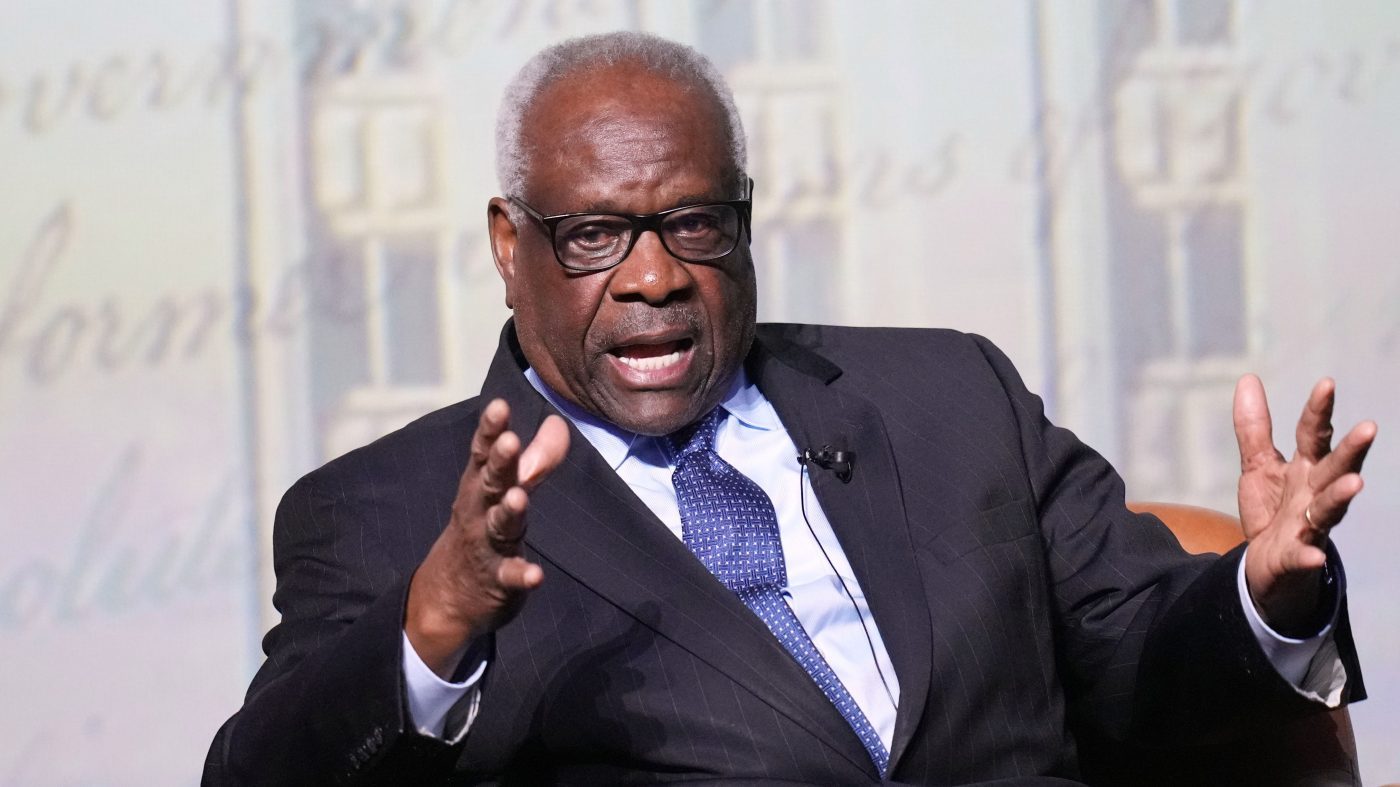
Supreme Court Justice Clarence Thomas delivered a scathing dissent Tuesday after the Court struck down President Trump's executive order restricting birthright citizenship, arguing the majority's opinion diminishes the fundamental value of American citizenship.
In a 91-page dissent, Thomas—the longest-serving conservative on the bench—wrote that he doubts the ruling will hold up over time. “I am not sure that today’s opinion will stand the test of time,” he said. “The Citizenship Clause ‘added greatly to the dignity and glory of American citizenship.’ Today’s opinion devalues that citizenship.”
The Court's decision upheld the 14th Amendment's guarantee of citizenship to anyone born on U.S. soil, rejecting Trump's attempt to narrow that interpretation. Thomas did not read his dissent from the bench, a rare move that would have signaled even deeper disagreement.
Legal experts say Thomas's language reflects a long-held originalist view that the Citizenship Clause was never intended to cover everyone born in the United States—a position that has gained traction among some conservative scholars but remains a minority view on the Court.
The ruling is a major setback for Trump, who made birthright citizenship a central campaign pledge. The Supreme Court's final decisions on birthright citizenship also touched on related issues like transgender athlete bans, signaling a busy term for the justices.
Thomas's dissent echoes arguments that the original 14th Amendment was designed to grant citizenship to freed slaves, not to all children of undocumented immigrants. Critics of the ruling, including some congressional Republicans, have vowed to push for legislative changes or a constitutional amendment.
However, amending the Constitution is a steep climb, requiring two-thirds majorities in both chambers and ratification by three-fourths of states. For now, the Court's majority has affirmed that the text of the 14th Amendment is clear: “All persons born or naturalized in the United States, and subject to the jurisdiction thereof, are citizens.”
Thomas's warning that the opinion “devalues” citizenship may resonate with voters who see birthright citizenship as a magnet for illegal immigration. Polls show the issue remains deeply divisive, with a majority of Republicans supporting restrictions and most Democrats opposing them.
As the political battle shifts to Congress, the decision ensures birthright citizenship will remain a flashpoint in the 2026 midterm elections. For now, Thomas's dissent stands as a powerful counterweight to the majority's interpretation of one of the Constitution's most cherished clauses.