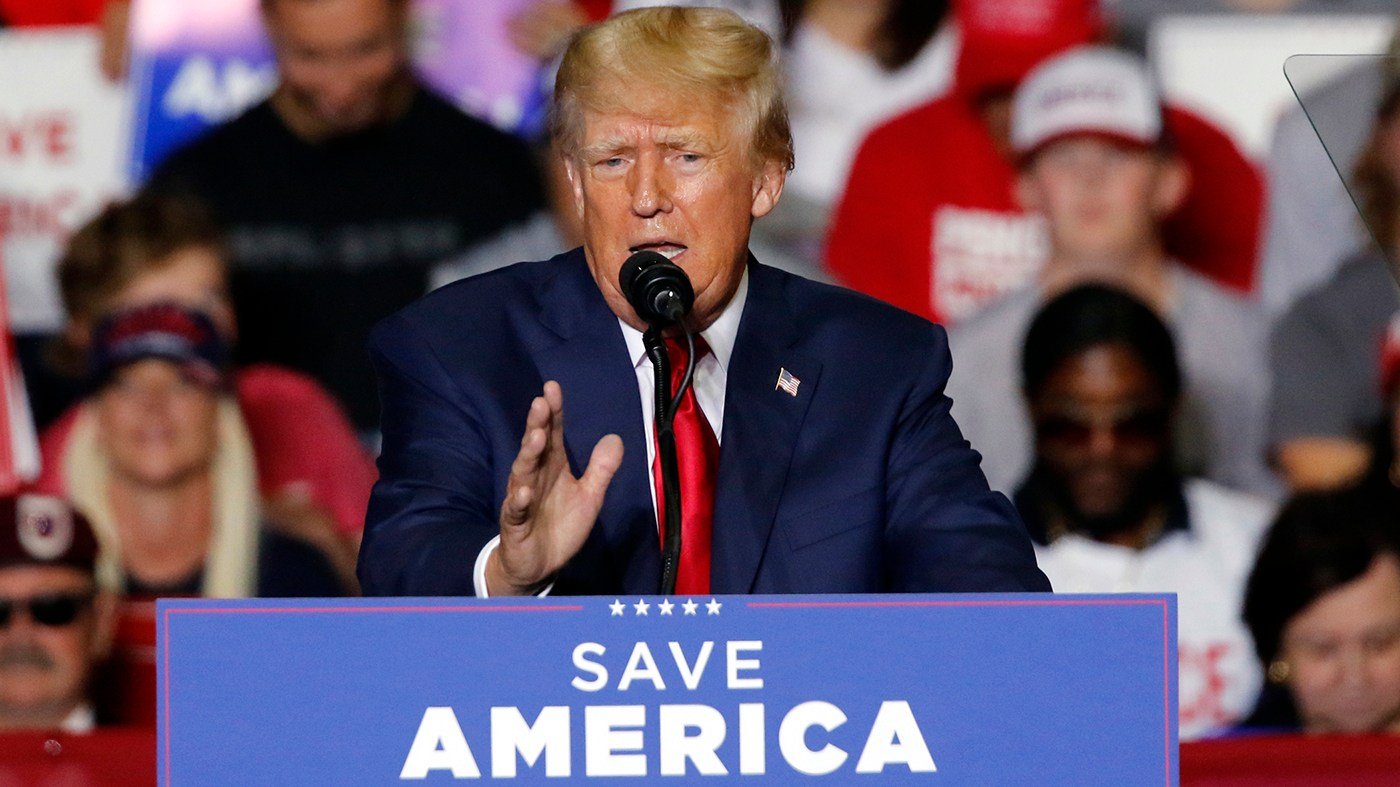
Several prominent elected Republicans with legal training on Tuesday distanced themselves from President Trump's response to the Supreme Court's birthright citizenship ruling, arguing that only a constitutional amendment—not an act of Congress—can alter the 14th Amendment's guarantee of citizenship for nearly all children born on U.S. soil.
The high court ruled 6-3 that the 14th Amendment automatically confers citizenship to children born in the United States, including those whose parents are in the country illegally or on temporary visas. Trump, who had sought to end the practice via executive order on his first day back in office, pivoted after the ruling, declaring on Truth Social that he would pursue the issue through Congress. “No long and unwieldy Constitutional Amendment is necessary!” he wrote, urging lawmakers to “start TODAY to work on ending expensive and unfair to our Country, Birthright Citizenship.”
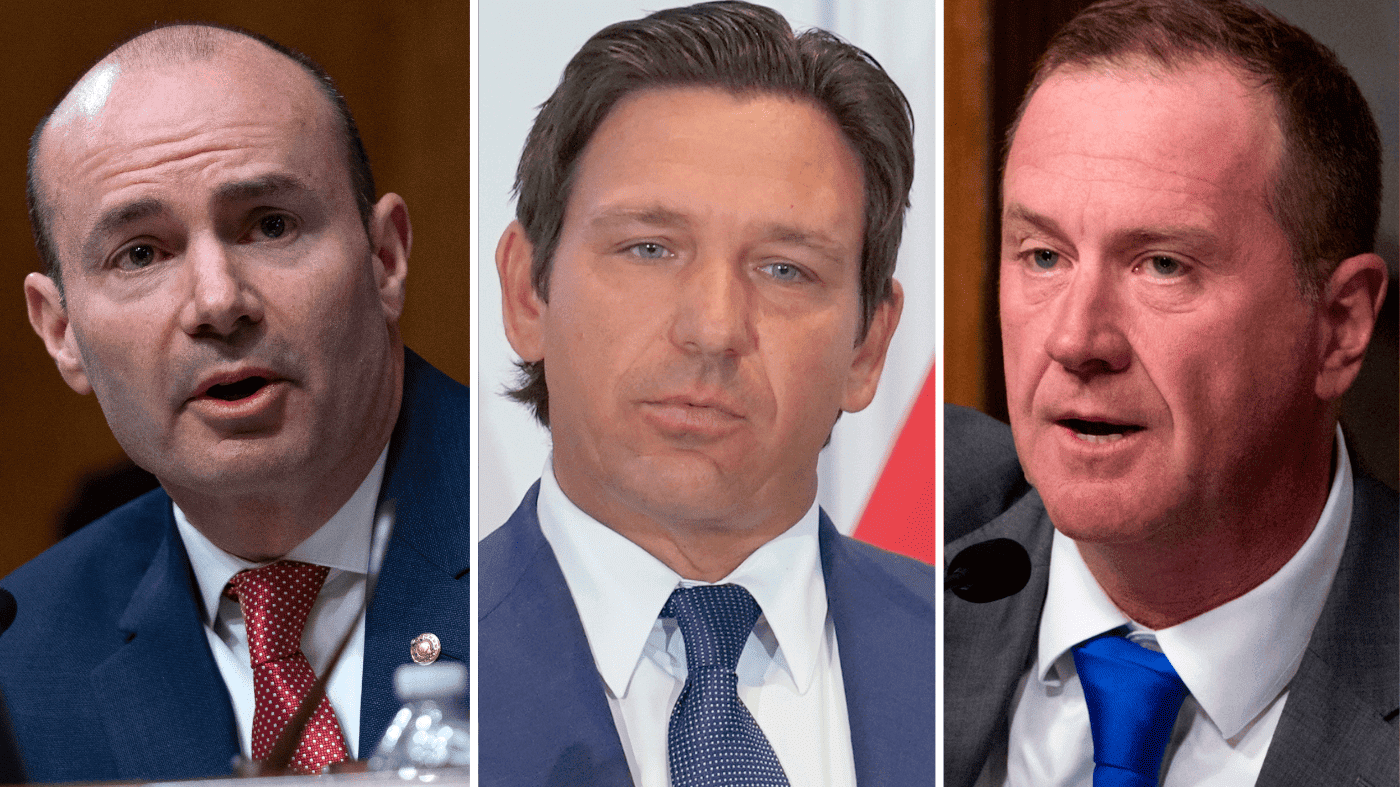
But Florida Governor Ron DeSantis, a Harvard Law School graduate, pushed back sharply. In a social media statement, DeSantis characterized the ruling as “a substantive decision that says the 14th Amendment requires citizenship for those born to, among others, birth tourists or those unlawfully present in the country.” He concluded, “Will need either a constitutional amendment or a future court to overrule this. Anyway you slice it, the decision is a major defeat.”
Senator Mike Lee (R-UT), a former clerk for Justice Samuel Alito—who dissented from the ruling—also broke with Trump. “We’re going to need a constitutional amendment,” Lee wrote on X, echoing DeSantis's assessment that legislative action alone would be insufficient.
Missouri Republican Senator Eric Schmitt, who served as state attorney general, went further in a lengthy post on X, calling the ruling “wrong, dangerous, and disastrous for American sovereignty and the American people.” He argued that Congress has a duty to respond, but acknowledged the limits of ordinary legislation. “When the Court mistakenly interprets a statute, Congress can amend the statute through bicameralism and presentment. But when the Court entrenches its mistake as a constitutional command, the remedy must match the injury,” Schmitt wrote. He announced plans to introduce a constitutional amendment, warning that birthright citizenship was never intended as a “suicide pact” and that the decision, if “unaddressed, this Supreme Court decision will destroy the republic.”
The 6-3 ruling saw Chief Justice John Roberts and Justice Amy Coney Barrett join the court's three liberal justices in the majority. Justice Brett Kavanaugh disagreed with the majority's constitutional reasoning but voted to block Trump's executive order under a 1940 federal statute that codified the traditional understanding of birthright citizenship. Alito, Justice Clarence Thomas, and Trump-appointed Justice Neil Gorsuch dissented. Alito wrote that the decision was “one of the most important decisions in the history of the Court.”
Trump's executive order, issued on his first day in office, would have required at least one parent to be a U.S. citizen or lawful permanent resident for a child to qualify for birthright citizenship. Legal challenges from Democratic-led states halted the order before it could take effect. The ruling and the ensuing GOP debate underscore a deepening rift within the party over how to address immigration and citizenship policy. For more on the broader implications, see our analysis of the Heritage Foundation's condemnation of the ruling and Justice Thomas's warning about devalued citizenship.
As the political fallout continues, Trump's call for legislative action faces an uphill battle. With Republican legal experts insisting on a constitutional amendment—requiring two-thirds approval in both chambers and ratification by three-quarters of states—the path forward remains uncertain. The debate is likely to intensify as Congress weighs its options in the wake of a ruling that has exposed fractures in the GOP's approach to one of the most contentious issues in American politics.