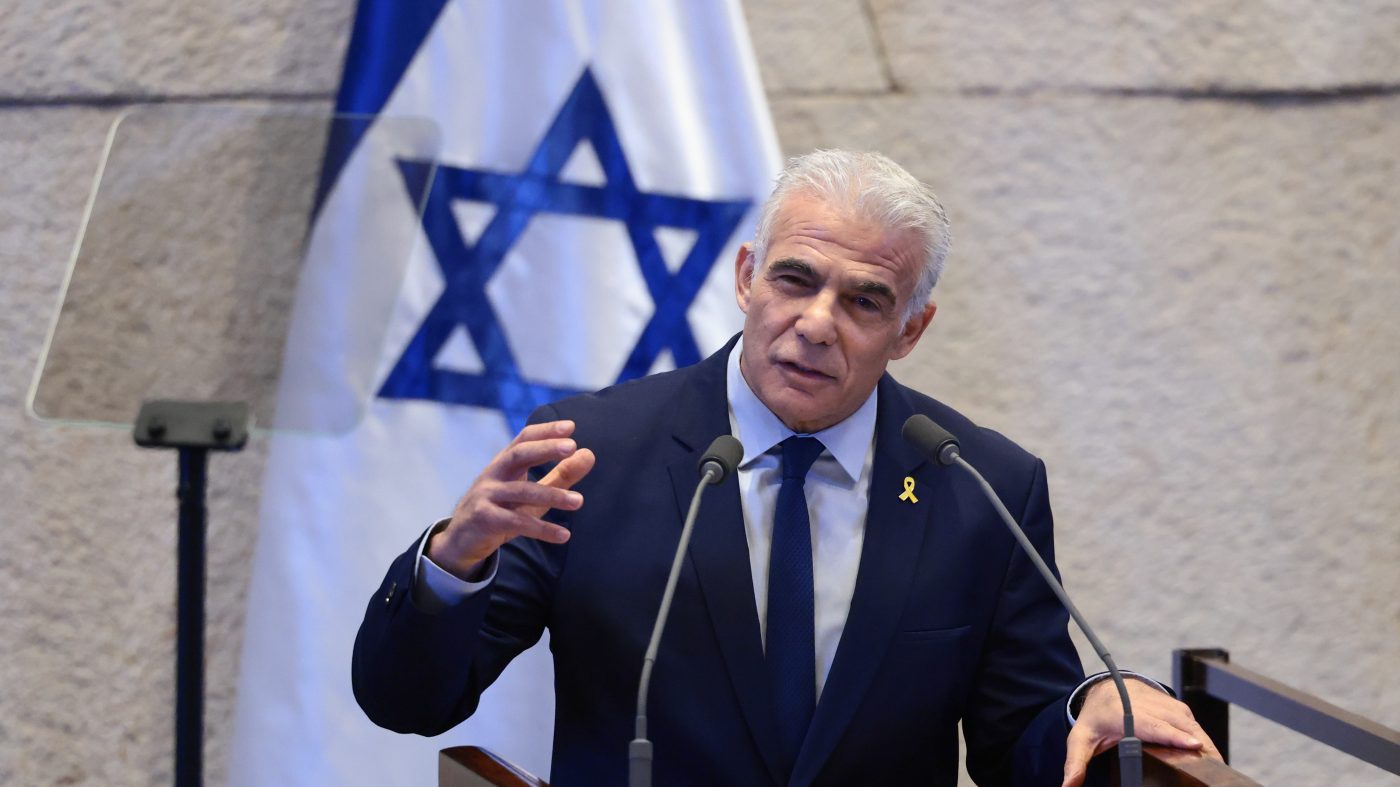
Israeli opposition leader Yair Lapid has launched a fierce condemnation of the temporary ceasefire agreement brokered this week between the United States and Iran, describing the diplomatic arrangement as a "political disaster" for Israel.
In a social media statement, Lapid expressed profound frustration over Israel's exclusion from the negotiations. "Israel wasn't even at the table when decisions were made concerning the core of our national security," he wrote, highlighting what he characterized as a significant diplomatic failure by Prime Minister Benjamin Netanyahu's government.
While acknowledging the Israeli military's performance and public resilience during the recent conflict, Lapid directed his sharpest criticism at Netanyahu. He argued the prime minister "failed politically, failed strategically, and didn't meet a single one of the goals that he himself set" for the confrontation with Iran.
"It will take us years to repair the political and strategic damage that Netanyahu wrought due to arrogance, negligence, and a lack of strategic planning," Lapid warned, suggesting the ceasefire's terms could have long-term negative consequences for Israeli security.
Ceasefire Terms and Conflicting Claims
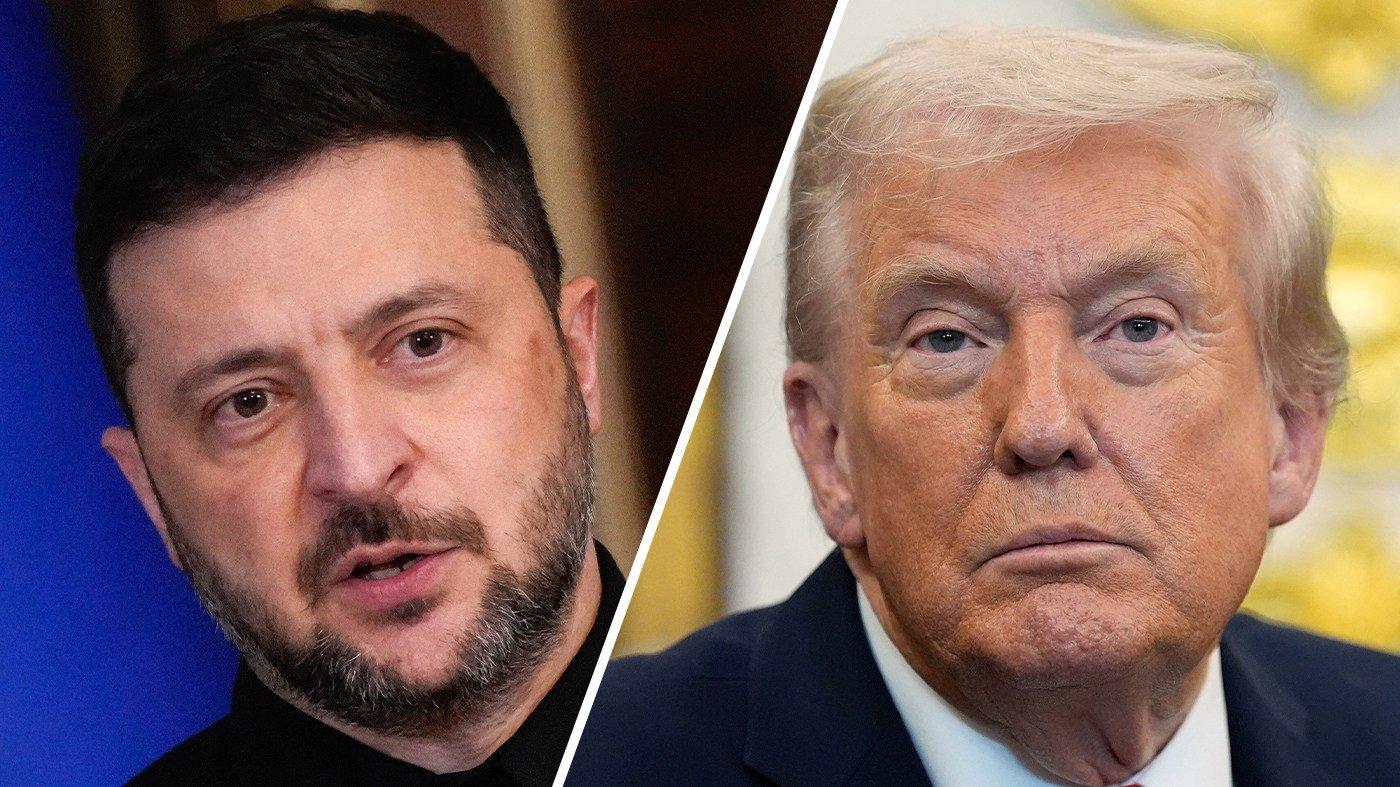
The ceasefire, announced Tuesday evening just before a deadline set by former President Donald Trump, calls for a two-week suspension of hostilities. Trump stated on Truth Social that military objectives had been "met and exceeded" and that negotiations were "very far along" toward a definitive long-term peace agreement with Iran. He cited a "workable" 10-point plan proposed by Tehran to end the five-week conflict.
Netanyahu's office issued a statement Wednesday indicating conditional Israeli support for the U.S. decision to pause strikes, provided Iran immediately reopens the Strait of Hormuz and halts regional attacks. The statement affirmed Israel's backing of U.S. efforts to ensure Iran "no longer poses a nuclear, missile and terror threat" to the region and the world, noting Washington's commitment to pursue these shared goals in upcoming talks.
Confusion emerged regarding the ceasefire's scope, however. Netanyahu's office claimed Lebanon was excluded from the agreement, directly contradicting statements from Pakistani Prime Minister Shehbaz Sharif, who helped mediate the deal. The conflict's toll in Lebanon has been severe, with The Associated Press reporting over 1,500 fatalities from Israeli strikes, according to Lebanese health authorities.
Political Repercussions and Broader Context
The episode has ignited a domestic political firestorm in Israel, with Lapid's criticism reflecting broader concerns about strategic autonomy and alliance management. The opposition leader's remarks underscore deepening political divisions over security policy, a theme also visible in shifting domestic political landscapes elsewhere.
Analysts note that the ceasefire follows a period of intense rhetoric. Former President Trump had previously threatened to destroy Iran's "whole civilization" if U.S. demands on the Strait of Hormuz were not met—language that drew comparisons to Tehran's own leadership style from some critics, as noted in analysis on Trump's confrontational Iran rhetoric.
Further negotiations between U.S. and Iranian officials are scheduled for Friday in Islamabad. The success of these talks will likely determine whether the temporary pause evolves into a more durable agreement, a process some experts, like Admiral Stavridis, suggest Iran has sought to leverage for strategic advantage. The outcome will be closely watched not only in the Middle East but also by global observers assessing the balance of power and diplomatic resolution of major conflicts.