As the dog days of August give way to cooler mornings and the first hints of autumn, Americans are bracing for the unofficial end of summer. This year, however, the season gets a few extra days of grace: Labor Day lands on September 1, the latest date it can occur on the calendar.
For those who measure summer by the Memorial Day-to-Labor Day stretch, 2025 offers the maximum possible span. Memorial Day fell on May 26, the earliest it can be, while Labor Day arrives at its latest, creating a season that is, in a sense, as long as it can possibly be.
The quirks of the Gregorian calendar dictate that Labor Day always falls on the first Monday of September, which can be as early as September 1 or as late as September 7. This year, it's the former, meaning the unofficial summer lasts a full 98 days—the longest stretch possible.
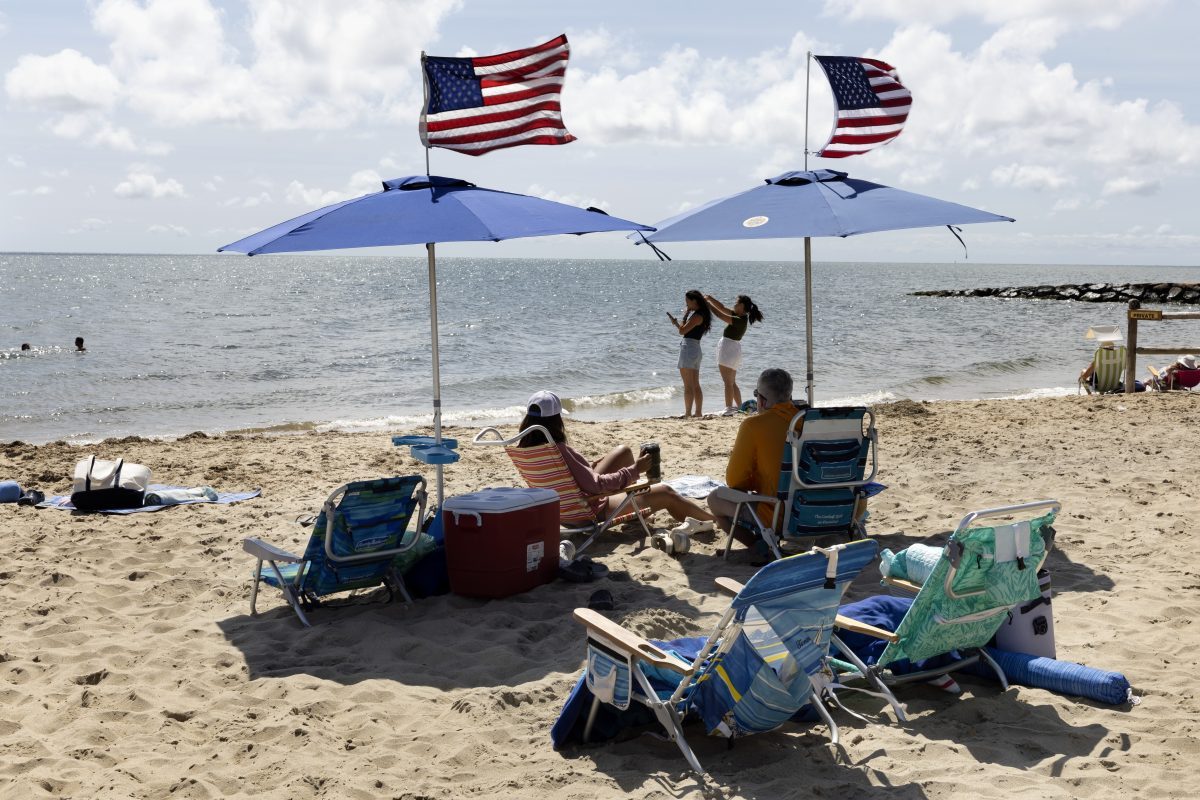
While the astronomical summer runs from the solstice to the equinox, the cultural markers of Memorial Day and Labor Day have long framed the season for millions of Americans. The extended timeline this year means more time for backyard barbecues, beach trips, and last-minute vacations before the school year and the political calendar kick into high gear.
For policymakers, the late Labor Day also has practical implications. The holiday traditionally marks the end of the summer congressional recess, giving lawmakers a compressed window to tackle pressing issues before the fiscal year ends. With the acting labor secretary facing Senate confirmation and ongoing debates over labor policy, the return to Washington will be anything but quiet.
Labor Day's timing also intersects with broader economic and political discussions. As the labor force participation rate has drawn scrutiny, the holiday takes on added significance for workers and unions. Meanwhile, the St. Louis Fed's analysis suggests that demographic shifts, not joblessness, are driving the decline in labor force numbers—a nuance that could shape policy debates this fall.
The extended summer also has cultural consequences. Cities that enjoy late sunsets through August will see them fade quickly after Labor Day, a reminder that the season's end is near. The shift to earlier evenings could also reignite the perennial debate over permanent standard time, a topic that has gained traction in Congress.
As the holiday weekend approaches, Americans will be making the most of the remaining summer days. Whether it's a final road trip, a backyard cookout, or simply soaking up the sun, the late Labor Day offers a little more time to savor the season—before the political and economic calendar takes over.