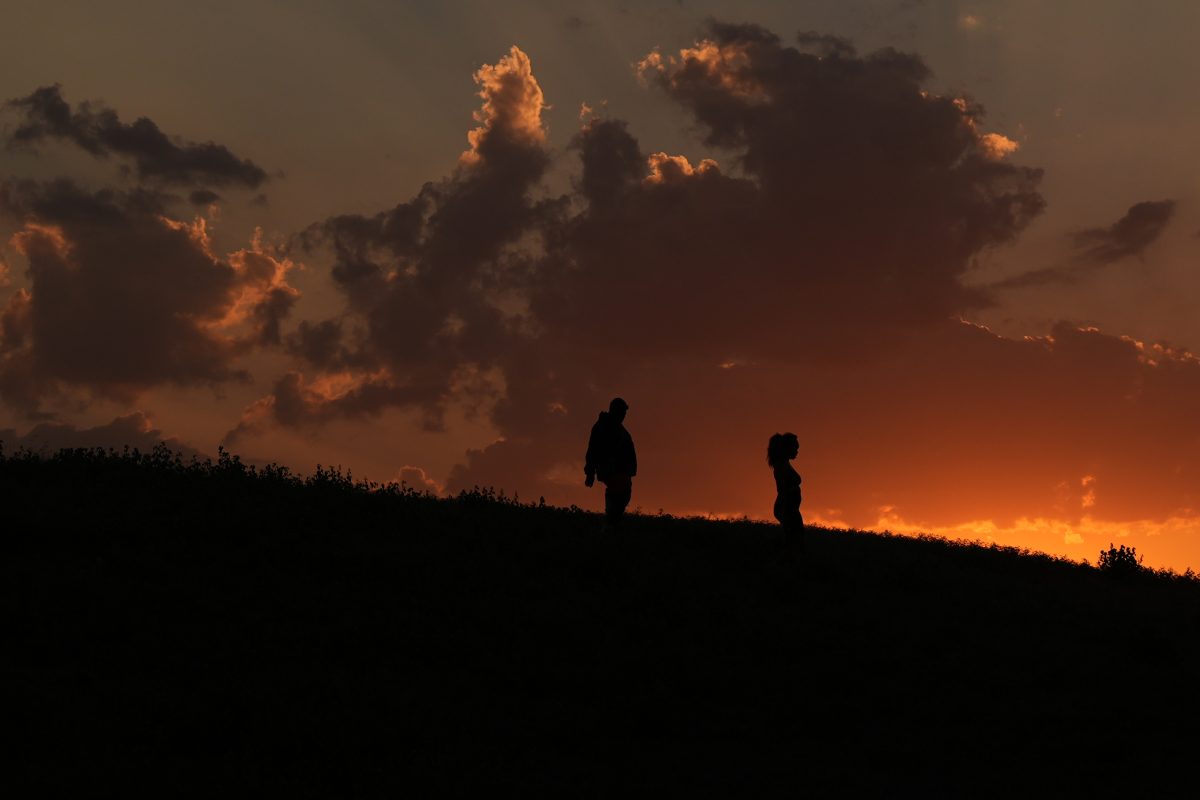
As the nation debates the future of daylight saving time, the inevitable march of the seasons is already delivering a stark reminder: summer's long evenings are ending. For many Americans, the final post-8 p.m. sunset of 2026 has come and gone, and the rest are quickly approaching.
This week, cities like Seattle and Portland have already witnessed their last sunsets after 8 p.m. until next spring. By the end of the month, much of the northern tier of the country will follow suit. The shift is a natural consequence of the Earth's tilt, but it carries political weight as lawmakers weigh whether to make daylight saving time permanent.
Under the current system, the U.S. observes daylight saving time from March to November, pushing sunset later into the evening. But as summer fades, the sun sets earlier each day, even with DST in effect. By late August, many northern cities lose their 8 p.m. sunsets, and by mid-September, even the southernmost states see them vanish.
Proponents of permanent DST argue that locking the clocks to daylight saving time year-round would preserve those late sunsets well into the fall and winter. However, as we've reported, that would come at a cost: winter sunrises would be pushed past 8 a.m. in many cities, a trade-off that has drawn fierce opposition from sleep experts and some lawmakers.
Meanwhile, advocates for permanent standard time point out that the post-8 p.m. sunsets would disappear entirely under their proposal. That's because standard time aligns with the sun's natural arc, meaning summer sunsets would fall earlier—closer to 7 p.m. in many regions.
The debate has reignited in Congress, with several bills introduced to end the twice-a-year clock change. But as the political wrangling continues, the calendar doesn't wait. For residents of Denver, Salt Lake City, and other Mountain Time cities, the last 8 p.m. sunset of 2026 is just days away. By the time October arrives, only the southernmost parts of the country—like Miami and Honolulu—will still enjoy sunsets after 8 p.m., and even those will fade by early November.
For now, the loss of late sunsets is a seasonal inevitability, but the policy question remains unresolved. As lawmakers debate the merits of permanent DST, the legislative calendar is as unpredictable as the weather. One thing is certain: the next time many Americans see an 8 p.m. sunset, the political landscape—and possibly the clocks—could look very different.