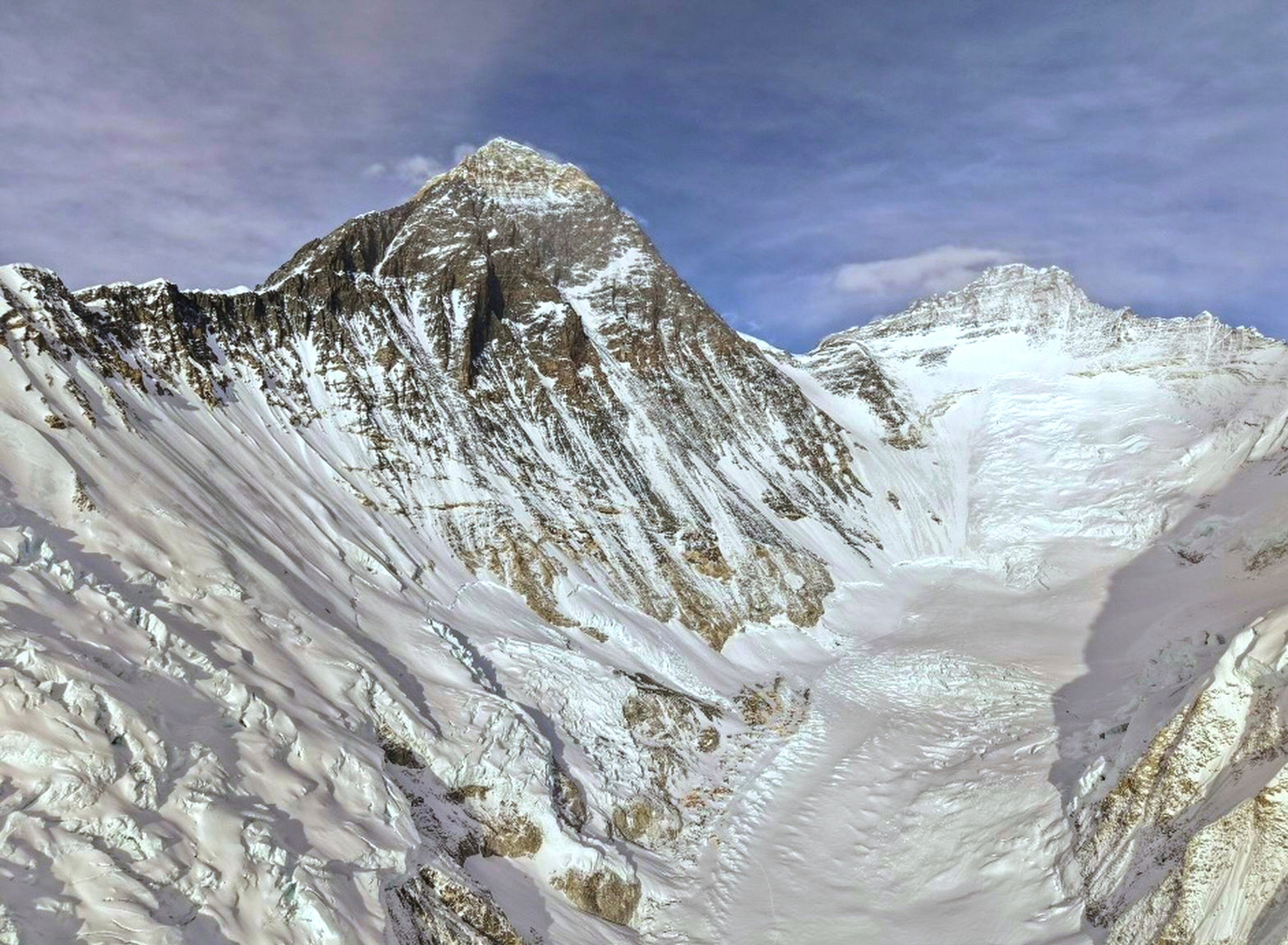
In mid-May 1996, eight people—guides, Sherpas, and paying clients—died on Mount Everest after a brutal storm struck. The disaster was compounded by guides pushing for late summits. But Jon Krakauer's book 'Into Thin Air' shifted some blame onto a wealthy climber: Sandy Hill.
Krakauer, who was on assignment for 'Outside' magazine, described Hill as a 'millionaire socialite-cum-climber.' He implied that Sherpas expended energy helping her summit, leaving less for others. Hill denied this, but the label stuck, and she became the villain. Krakauer later insisted he didn't blame her for the deaths.

Now, on the 30th anniversary, Hill is speaking out. She told reporters her life was 'ravaged' after the disaster—she lost her job, was professionally trashed, and socially ostracized. Her marriage to MTV cofounder Bob Pittman collapsed, and her son became estranged. Pittman's self-promotion may have irritated other climbers, but did Hill deserve all that?
The contempt for the wealthy is a persistent theme in American culture, often wielded as a political tool. New York City mayoral candidate Zohran Mamdani went viral with a 'tax the rich' video targeting billionaire Ken Griffin's penthouse. Even the Bible weighs in: 'Woe to you who are rich,' Jesus says in Luke.
When the Titan submersible imploded in 2023, killing five including billionaire Hamish Harding, schadenfreude was rampant. One post joked, 'If I were a billionaire stuck at the bottom of the ocean, I would simply pull myself up by my bootstraps.' The modern elite's obsession with risk-taking traces back to post-Waterloo British officers seeking fame through exploration.
Today, adventure glory is in risk itself. The Everest disaster should have curbed guided climbing, but instead it boomed. Only about 600 people had summited by 1996; since then, 13,000 have, most paying clients. Some spend $120,000 for premium base camp amenities. SpaceX and Blue Origin seats cost tens of millions.
Will generosity prevail when the next rich adventurer dies? Probably not. Gregory J. Wallance, a former federal prosecutor and author of 'Into Siberia,' reflects on this enduring bias.
For more on political dynamics, see this analysis of intra-party battles. And on disaster-related policy, check coverage of the SAVE America Act.