The SAVE America Act, a bill requiring voters to present documentary proof of U.S. citizenship for federal elections, is drawing sharp criticism from advocates who say it would disenfranchise residents in disaster-prone regions. For communities along the Gulf Coast and beyond, where hurricanes, wildfires, and floods routinely destroy homes and personal records, the legislation could make voting contingent on documents that are often swept away.
Every hurricane season, from June through November, families in the Deep South brace for the worst. They stockpile water and candles, and gather birth certificates, passports, marriage licenses, Social Security cards, and voter registration cards. But this year, those documents carry a new weight: under the SAVE America Act, they could be the only proof of citizenship accepted at the polls.
The bill would require voters to show specific documentation—such as a passport or birth certificate—to cast a ballot in federal elections. Critics have already noted its disproportionate impact on women, Black and Indigenous communities, and older Americans. But for those living in disaster zones, the threat is more immediate: what happens when the papers needed to vote are lost to forces beyond anyone's control?
Disasters Growing More Frequent and Destructive
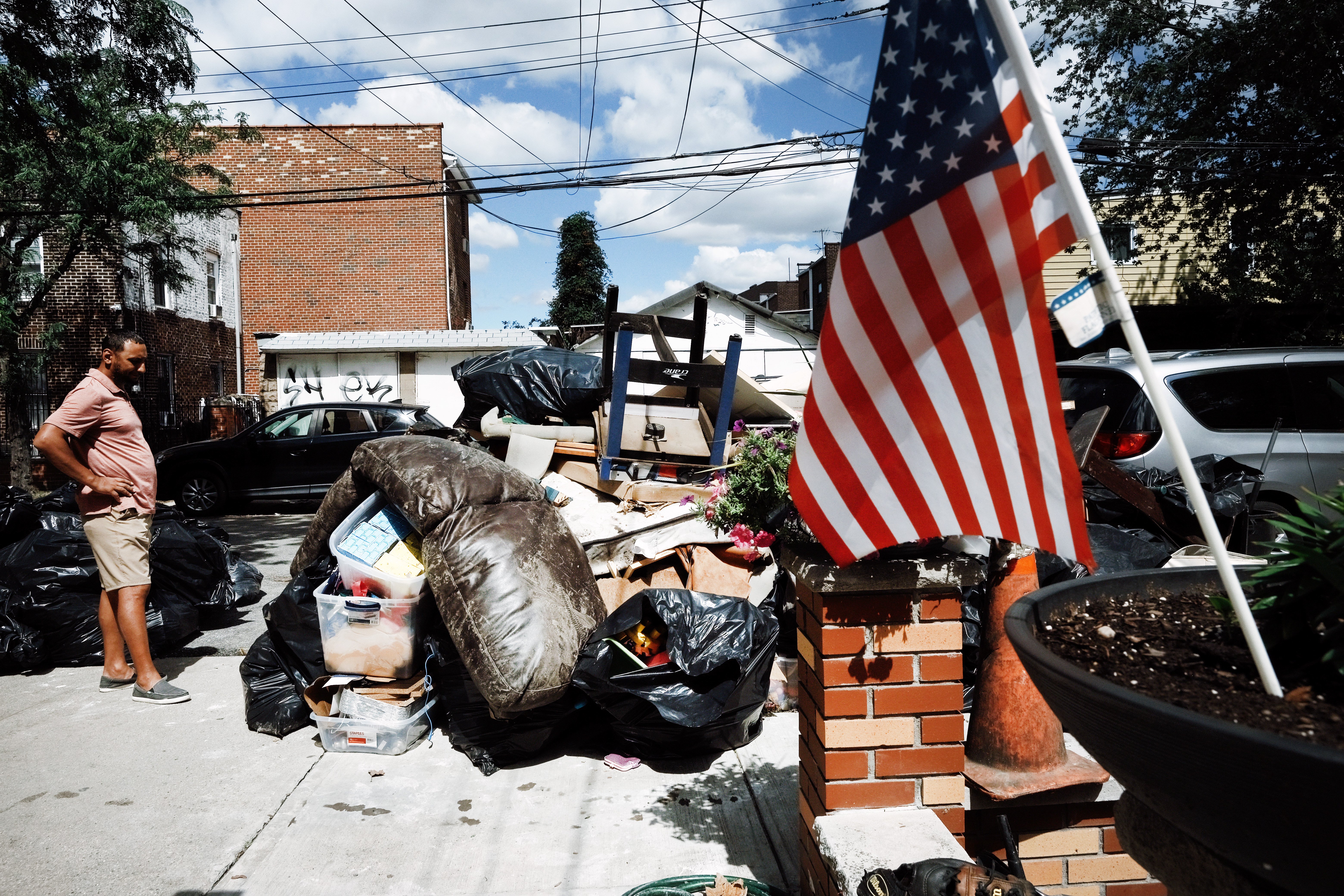
Natural disasters are becoming more frequent and intense. In 2023 alone, the U.S. experienced dozens of billion-dollar weather events. Some, like Gulf Coast hurricanes, allow for preparation—people can evacuate with their documents. But others, like the fast-moving wildfires in Los Angeles in early 2025 or the devastating floods in San Antonio last June, offer little warning. In those moments, survival takes priority over paperwork.
When Hurricane Katrina struck, families from Houston to New Orleans and Miami lost everything: homes, loved ones, and identity documents. If the SAVE America Act had been in place then, millions would have been unable to vote in the next mayoral election. Their voices would have been effectively erased.
This pattern is intensifying. Recent federal decisions have scaled back disaster support through budget cuts and reduced agency capacity, as seen in Appalachia after record-breaking rainfall triggered mudslides in 2025. At the same time, cuts to meteorological services have raised concerns about the nation's ability to predict and prepare for these events. As climate-related disasters accelerate, they place greater demand on federal support systems—not less.
Young Voters Face Unique Challenges
Young people, particularly those in higher education, are less likely to carry critical documents on a daily basis. When those documents are lost in a disaster, recovery can take years. Under the SAVE America Act, that delay could mean losing not just paperwork, but the right to vote. This vulnerability is compounded by the fact that many students rely on digital or temporary forms of identification that may not meet the bill's strict requirements.
Communities across the South have long depended on FEMA and legal aid to replace lost documents after a disaster. But that safety net is becoming less certain. Recent budget cuts and reduced agency capacity have made recovery harder, even as disasters grow more destructive.
As Julienne Louis-Anderson and Kamye Hugley, fellows with the OpEd Project, wrote, tying the fundamental right to vote to physical documents that can be destroyed in an instant only deepens vulnerability. The SAVE America Act assumes stability at the very moment people's lives are most unstable.
For those living on the frontlines of climate and disaster, the question is not if they will lose something—it's when. Policymakers should consider why, in those moments of loss, they would risk taking away their voice too.
As the U.S. faces increasing threats from climate-related events, the nation's ability to ensure voting access in disaster zones is critical. The SAVE America Act, if passed, could fundamentally reshape who gets to participate in democracy—and who is left out.